‘Misinformation is so prevalent today in every aspect of our lives’

Vinny Peculiar

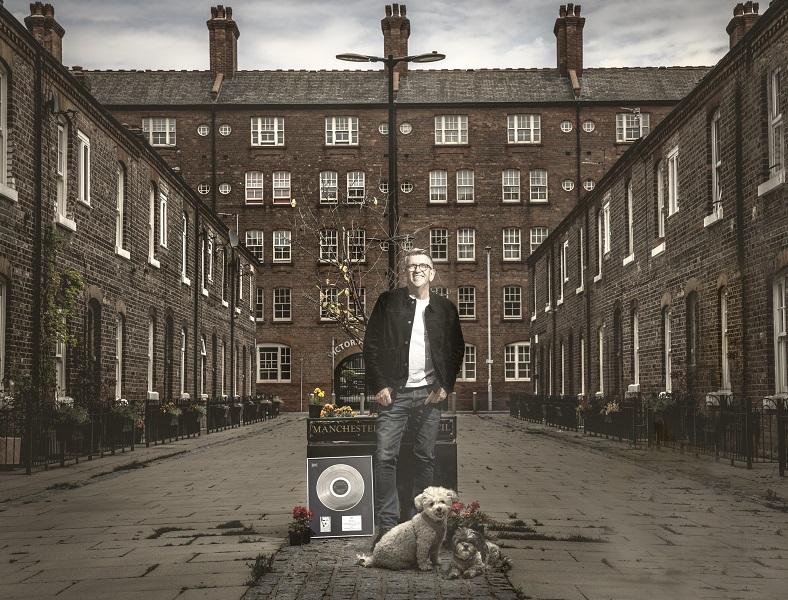
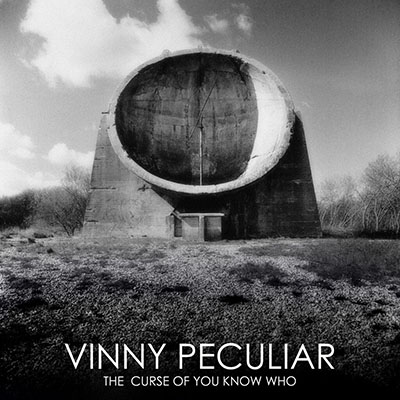
Rock star fantasies, alien abductions in the Cheshire town of Runcorn, Katy Perry in space, British ’60s new wave film Billy Liar, and the dangers of an AI girlfriend are just some of the weird and wonderful subjects covered on The Curse of You Know Who – the brilliant new album by UK singer-songwriter, Vinny Peculiar, who Uncut magazine once described as ‘the Tony Hancock of pop’, and the Irish Times said was ‘the missing link between Jarvis Cocker and Roger McGough’.

Thematically, the record – Peculiar’s sixteenth studio album – deals with conspiracy theories, half-truths, misinformation and fuzzy memories, and musically it embraces power rock, post-punk and jangly psych-pop; he cites influences including The Who, Magazine and XTC.

There are also some of his lyrical trademarks, such as cultural references from the ‘70s and namechecks for rock stars; this time around, Robert Plant gets a mention.

In an exclusive interview, Peculiar talks to Say It With Garage Flowers about conspiracy theories and writing and recording The Curse of You Know Who, which, coincidentally, is released on September 11. Make of that what you will…
Q&A

The new record isn’t a concept album as such, but there are recurring themes in some of the songs – conspiracy theories, half-truths, fuzzy memories and misinformation…

Vinny Peculiar: Yeah. I think misinformation is so prevalent today in every aspect of our lives.

How did you approach this record?

What I tend to do is finish an album, do a load of gigs, and then as the writing gene kicks back in, I try to do something a bit different. So, when I thought about writing this new album, I tried not to be quite as factually accurate and to be a bit more expansive.

I was going through a mini-prog-rock phase, which I’m out of now, you’ll be relieved to hear, but every now and again, I revert to Close to the Edge by Yes, or Trespass by Genesis, or early Jethro Tull. I think lyrically, particularly, Yes, are very expansive and slightly nonsensical, so I tried to be a bit more like that, but, in the end, most of the songs are kind of narrative songs.

The first song, ‘The Curse’, has a lyric that’s a stream of consciousness – it mentions Charles Bukowski, mansions of Belgravia, yachts in St Tropez and a prog-rock lyricist, and it’s also where the album gets its name from…

That song, and the title of the album, The Curse of You Know Who – and I only realised this not so long ago – were inspired by when Mike Joyce, Andy Rourke and Craig Gannon were in my band.
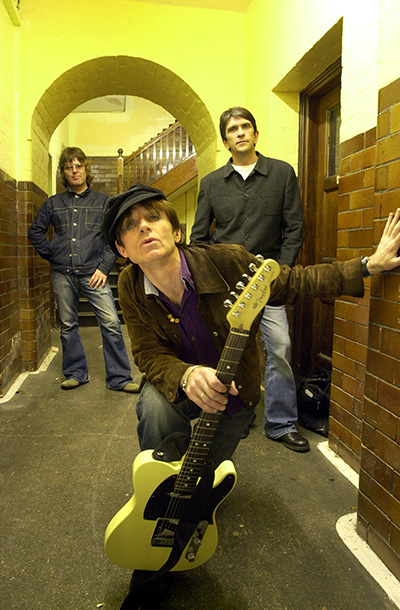
One of these blokes wasn’t in The Smiths… Andy Rourke, Vinny Peculiar and Mike Joyce.

Things were going wrong, as they inevitably do when you’re in a band – the van broke down, or records wouldn’t make it to a radio station in time to get played, and Mike would say, ‘That’s the curse of Vinny Peculiar’. I used to nod along, but I thought, ‘Oh great, that’s all we need – to be cursed…’

That was 20 years ago, but I think the actual essence of that first song is taken from that. There’s always a certain self-delusion in setting up any project. It’s about belief and drive and ambition and hope, and then reality can kick in and throw a lot of curveballs, and I think that’s what that song’s about.

‘I was going through a mini-prog-rock phase, which I’m out of now, you’ll be relieved to hear, but every now and again, I revert to Close to the Edge by Yes, Trespass by Genesis, or early Jethro Tull’

Part of ‘The Curse’ deals with rock star fantasies, and there’s a line in the song that says, ‘We’ll be in Japan next year…’ It’s the ‘big in Japan’ rock ‘n’ roll cliché. You were in the band Parlour Flames with Bonehead from Oasis, and he experienced the whole ‘big in Japan’ thing…

That’s where that line comes from – you’ve detected that one pretty well. Bonehead would say, ‘What are you worried about? You’ll be in Japan this time next year…’

All those kinds of ambitions and doubts revolve in your mind and create a sense of a world where truth is so kind of unpredictable and fluid, and even when you find out what the truth is, you don’t even know whether it’s the truth anymore, so that fed into the song as well.

‘The Curse’ has a Who-like power-rock feel…

It’s funny, we were at a rehearsal the other day, and the band were taking the proverbial out of me and saying, ‘When are you going to do a windmill?’

I was thinking of opening the set with that song – it’s just classic Who power chords from ‘Won’t Get Fooled Again’, but dressed up in a different melody, and obviously they’re not played by Pete Townshend…

You worked with producer Dave Draper on the new album – he’s great at getting that classic power-rock or power-pop sound – he’s produced Marc Valentine, who I like…

Dave does have his own sound and his own way of doing things, and one of the things we do is that we work very fast. I record everything here [at home] and then I take it to Dave to tweak some of the sounds. I need someone to say, ‘you’ve got 16 guitar parts here – you’re going have to get rid of that one, that one, that one, and that one…’  Then I can get a bit more balance.

Music and technology have given me the opportunity to make a rock album at home, but to give it the drama and the sound [I want], I have to fully think it through with someone else, so I like to work with a producer.


Let’s talk about the song ‘Billy Liar’, from the new album – you’ve had a love of the book and the film for a long time, haven’t you?

Yes – I can’t remember whether I saw the film before I read the book… It was possibly the film, but it’s one of those films and books that have merged into one. So, when I reread the book, I can hear the film – all the voices…. It kind of merges…

I’ve heard a few people talking about it as a comedy, but it’s way more than that – it’s like a tragicomedy of aspiration, really. Keith Waterhouse wrote the book – and, at the time, it was the weirdest thing in the world to have aspirations to do anything creative outside of a smallish, mill-based industrial city in the north.

‘My dad didn’t like electric guitars – he liked musicals and hymns and nothing else – he didn’t even like The Beatles. We had quite a religious upbringing. I wasn’t very popular when I was on the dole, trying to form a punk-rock band’

It’s that idea of the parental overview as well, and the way that’s portrayed with the gran and the dad’s old-school vision. So, it’s a youth culture film from 1963, when, suddenly, it was possible for working class kids to do something other than automatically follow the same route of their fathers, and they could also dress differently.

It was the dawn of the 1960s. It had a big effect on me, partly because my parents were a bit like that as well, in a funny kind of way. My dad didn’t like electric guitars – he liked musicals and hymns and nothing else – he didn’t even like The Beatles. We had quite a religious upbringing. I wasn’t very popular when I was on the dole, trying to form a punk-rock band, and in the end, I had to get a proper job, like so many people.
In the song ‘Billy Liar’ you mention meeting Julie Christie and Tom Courtenay, who both starred in the film. Did you meet them in real-life?

Yes – that’s true. I met Julie Christie in a place called Redditch. I had a little band, and she tapped me on the shoulder after we’d played and said, ‘I really like your band’.

I started to melt – even then I was obsessed by Billy Liar. I felt that internal collapse of speechlessness. If it was now, I’d have got a selfie or something – if I’ve had the physical energy to – but not back in the day.

I met Tom Courtenay when he was appearing at the Royal Exchange in Manchester. A friend of mine was interviewing him and she said, ‘Come along.’ I said, ‘I can’t come in, but I’ll just meet you after you’ve finished the interview’, so I said hello to him, and told him that I loved the film and that it meant a lot to me, and he said, ‘Oh, thanks very much’. That was it – it was nice. They say don’t meet your heroes, but those two people just seemed lovely.

‘I met Julie Christie in Redditch. I had a little band, and she tapped me on the shoulder after we’d played and said, ‘I really like your band’. I started to melt’

It must’ve been nice to write a song about Billy Liar after all this time…

Yes – it fitted with the narrative [of the album] because the whole thing is about mistruths and fantasies. Billy Liar is creating a world where there isn’t really a world – it’s a world of imagination and possibility, but we all need that world of imagination and possibility to give us some kind of kudos to do anything. Before you get the reality, you have to imagine it. So, he does – he has a good go of it, but he gets well beaten down by his circumstances.

Were all the songs on the new album written especially for it, or are some of them older?

They were all written in the last 18 months, but they’re not all about conspiracies and weirdness. ‘The Velvets’ is a typical Vinny Peculiar retrospective song – meeting hippies, when you’re only 13 years old… You’re suddenly in the grown-up world and it’s simultaneously the most frightening thing in the world, but also the most exciting…

‘The Velvets’ is one of my favourite songs on the record – I love the cinematic guitar sound…

That’s a 12-string.

The imagery in the song is great – a bunch of kids in the ‘70s, sat outside, listening to music, like The Velvet Underground and Pink Floyd, on a portable cassette player, and getting stoned, with hippies… Robert Plant gets a namecheck too…

Yeah – I must admit, I don’t think I’ve done an album in a while where someone hasn’t been namechecked. Sometimes I don’t even realise it because songwriting is quite an intuitive and spontaneous process, and you don’t even know whether it’s any good, even when it’s done. I’m a namechecker.

Well, Katy Perry certainly gets a namecheck on the new record. From ‘Billy Liar’ to ‘Katy Perry in Space…’ That’s why I love your records – you never know what you’re going to get next…

That’s nice of you. I suppose the subject matter is fairly diverse, and the strand of conspiracy is thin, but it’s probably there, even during ‘Katy Perry in Space’, which appears to have happened, but you can still read about a lot of people who believe it didn’t…

‘I don’t think I’ve done an album in a while where someone hasn’t been namechecked. Sometimes I don’t even realise it because songwriting is quite an intuitive and spontaneous process’

So, this was when Katy Perry travelled into space last year, as part of an all-female crew on Jeff Bezos’s Blue Origin New Shepard flight…

Yeah – I suppose she wanted to get in the record books as the first pop star in the race, which is the first line of the song. In the video, I tried to juxtapose some of the atrocities on Earth versus the dicking around in a tin can.

So, you haven’t got any ambitions to go into space?

Not really – it’s not something I’ve ever thought about. I wouldn’t say I was risk-averse, but I don’t have any hobbies that involve risk, unlike my grandson, who rides a mountain bike.

Did ‘Katy Perry in Space’ start off as a country song, but end up being a bit rockier?

Yeah – my mate rang me up and I said, ‘Have you seen the news? And he said, ‘Oh yeah, you should write a song about Katy Perry in space…’ I’m always up for a challenge, so I wrote something immediately for a laugh, and then I came back to it the next day and slightly refined it. It was a country song, but it became a little bit noisier.

‘AI Girlfriend’ is another of my favourite songs on the record. Was that inspired by Spike Jonze’s film, Her?

Yeah – it’s such a great film. There are a few jaw-dropping moments in it when the man, who loses himself in a relationship, suddenly realises the fact that he’s fallen in a love with a computer… When I wrote the song 18 months ago, it had a minor edge to it, but now I don’t think it has hardly any edge at all, because of the speed at which people are engaging with AI and how AI is becoming more and more normalised.

The music has an edge to it – it’s heavy post-punk…

Yeah – I was thinking Magazine when I did it. I haven’t quite nailed the John McGeoch sound, but it happens just once in the bridge, when I pull out the weird flange chorus stuff that he used to use with The Banshees. Mostly, it’s just that driving, post-punk sound.

‘I liked the idea of Brian Cox and Tim Peake on a space station, getting befuddled and wittering on… I imagine them looking down and seeing that the Earth is flat…’

On the track ‘Flat Earth’, you use a guitar riff from a song you wrote in the ‘80s…

Oh, yeah – that kind of XTC motif that’s intermittent in the song and acts as an intro. It’s funny with songwriting… I’m not wishing to namecheck Noel Gallagher, but there was something I saw on social media the other day, where he said that he’d had a chorus for a song for 20 years, but no verse – he tried to write it so many different times, and, all of a sudden, he got one and it fitted. I was a bit like that with that riff, but I don’t think it’s going to do for me what ‘Wonderwall’ did for Noel.

‘Flat Earth’ is one of the songs on the album that deals with misinformation, and it namechecks Professor Brian Cox and British astronaut, Tim Peake…

I liked the idea of Brian Cox and Tim Peake on a space station, getting befuddled and wittering on… I imagine them looking down and seeing that the Earth is flat after all, and although that’s ridiculous, there are always elements of any conspiracy that has some kind of genuine premise – even the ridiculous stuff. Quite often, years later, big conspiracy theorists don’t sound quite as weird…

I was going to ask you about your views on conspiracy theories…

Yeah. Well, I’m much more open to them now than I used to be. I wouldn’t say I’m a believer, but I’m not an absolute non-believer.

Where do you stand on alien abductions in Runcorn in the early ‘70s?

Somebody suggested that to me, but they didn’t know much about it, so I just used it as an idea for a song [‘Runcorn Abductions’ ] and expanded on it. If anyone’s going to get abducted and taken by aliens, then Runcorn’s a pretty good place to stop off. I used my own experience of Runcorn.

There used to be a great guitar store in Runcorn. It was called Frailers, and it was run by a guy called ‘Freewheeling Frank.’ I bought guitars there. I remember when I went in once, Ian Broudie [The Lightning Seeds] had been in the day before, bought two guitars and cleaned out the whole shop of percussion instruments.

Frank sat at the counter and just snarled at everyone – you had to do a deal with him to get a decent price. He was a ruthless dealer, but very entertaining and very droll.

He didn’t make it into the song, though?

No, he didn’t make it in, but now I’m regretting not mentioning him. It could’ve been Frank who was taken… No, two people went missing in Runcorn, and that’s the truth of it…. My friend told me the story about it and said, ‘Did you realise that there were alien abductions in Runcorn?’ I thought, ‘Oh, maybe I should write a song about it.’ I didn’t think to Google it and check it all out – I just created some ideas, as you do when you’re a songwriter. You’ve got some sort of licence to do that.

‘Rock and power are the two words of the interview, aren’t they? Anyone would think I was David Lee Roth’

The song also mentions The Osmonds, and Mr Rigsby from the ‘70s sitcom Rising Damp

Yes – there’s more namechecking…. I hope I don’t get too massive because they’ll all want paying.

You could do a whole album of songs that namecheck people and not make any royalties from it… but I guess that’s just like normal…

(Laughs). Exactly – nothing would change.

On ‘New Dark Ages’, which deals with state surveillance, there are more power rock guitar chords…

Rock and power are the two words of the interview, aren’t they? Anyone would think I was David Lee Roth, but I’m not quite at that level.

The final song on the album, ‘Moon Landing’, is about the ultimate conspiracy theory – that the 1969 moon landing was faked…

I think the song plays with the idea that it’s more of a romantic idea than the truth. If I was to have a favourite song [on the album]…I quite like that one – I like the questions the song asks and I like the production.

The lyric references you watching the moon landing when you were at school…

Yeah – there was a big hoo-hah about it and we were all excited. We all wanted to be astronauts as soon as we’d seen it, and then we went back to wanting to be footballers pretty quickly afterwards. The song is from an outsider’s imagination, but with some sort of reality of experience from the classroom… It’s from the classroom to the chaos of conspiracy.

‘There was a big hoo-hah about the moon landing and we were all excited. We all wanted to be astronauts as soon as we’d seen it, and then we went back to wanting to be footballers pretty quickly afterwards’

Have you heard any good conspiracy theories lately?

No, but I’m hoping I will do, so I can do album number two of conspiracies… I’ll probably do something different next time… I’m thinking of doing an acoustic album. I just sold a couple of guitars and bought a good, new acoustic – a Gibson J-45.

So, The Curse of You Know Who is released this month…

Yes – on 9/11. There’s no dark, deep significance to that. You can go down a lot of rabbit holes with that one, and, with the context of the album, people may read something into it, and they’re welcome to.

The Curse of You Know Who is released on September 11 on Shadrack & Duxbury Records. 

If you order the album on Bandcamp here, the digital release includes two additional bonus tracks, ‘A Ghost’ and ‘Old School.’

For Vinny Peculiar tour dates, visit www.vinnypeculiar.com.

‘Strangeways… seems to be everybody in the band’s favourite album – it’s one of the very few things we all agree on nowadays’

Mike Joyce – picture by Paul Husband.

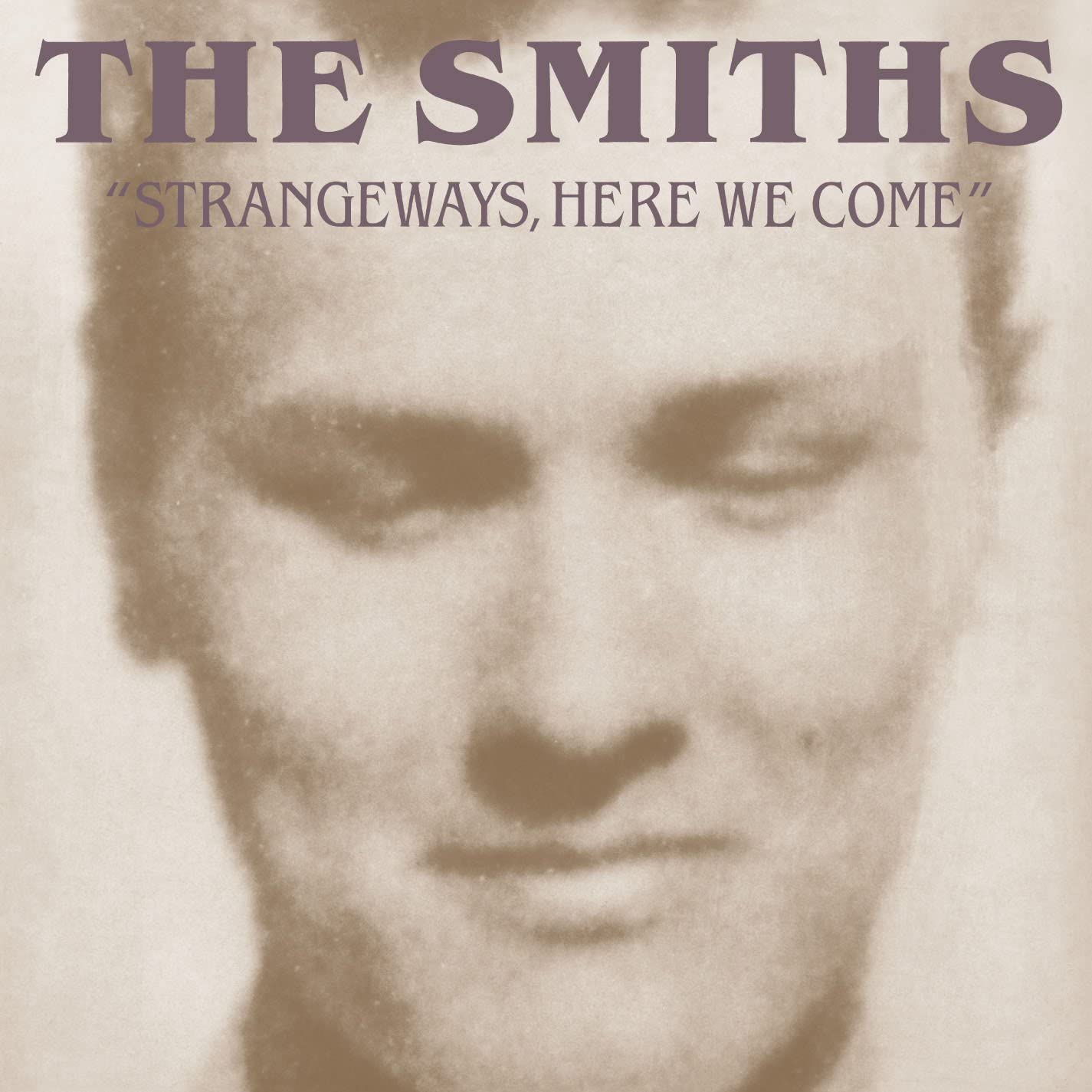
This week, Strangeways, Here We Come, the fourth and final studio album by influential ‘80s Manchester indie-rock band The Smiths – Say It With Garage Flowers’ favourite group of all time – celebrates its 35th birthday.

By the time the record was released, on September 28, 1987, the band had split up, following the departure of guitarist, Johnny Marr.

Many people – the group included – view Strangeways, Here We Come as the band’s masterpiece, although, here at Say It With Garage Flowers, (whisper it) we think The Queen Is Dead, which was released the year before, deserves that accolade. But that’s for another time and place…

There’s no doubt about it, though – Strangeways, Here We Come is one of the greatest rock records of all time. The Smiths’ most ambitious and experimental album, it takes in ghostly piano-led pop (A Rush and a Push and the Land Is Ours), synth brass-assisted glam (I Started Something I Couldn’t Finish), eerie psychedelic atmospherics (Death of a Disco Dancer), witty black comedy set to a lilting acoustic guitar line (Girlfriend In A Coma), epic, orchestral melodrama (Last Night I Dreamt That Somebody Loved Me) and macabre rockabilly (Death At One’s Elbow).

To coincide with Strangeways, Here We Come’s (unhappy) birthday, Smiths drummer, Mike Joyce, generously agreed to raffle off his silver disc of the album to raise money for Back on Track, a Manchester charity that he is a patron of.

Back on Track works with adults to help manage problematic drug/alcohol use, enable a crime-free life, improve mental health and wellbeing, or find a stable home.

To be in with a chance of winning Mike’s special copy of the classic album, enter the raffle here and make a donation.

In another kind gesture, Mike agreed to give Say It With Garage Flowers an interview, in which he shares his memories of recording Strangeways, Here We Come, talks about the brilliance of The Smiths, recalls some of his collaborations after the breakup of the band, and fills us in on his latest musical project, Love Tempo.

“Strangeways… is a great-sounding album – it’s very different from anything we had heard before, but then again I could say that about just about every Smiths album or track,” he tells us. We completely agree with him.

Q&A

So, let’s talk about Strangeways, Here We Come, which is celebrating its 35th birthday this month. It’s one of the greatest albums ever made…

Mike Joyce: Thank you.

You’re of the opinion it’s the best album The Smiths recorded – and you’re not the only member of the band to think that…

MJ: Collectively, it’s one of the very few things we all agree on nowadays [laughs]. From what I’ve heard, it seems to be everybody’s favourite. I can see why.

Why do you say that?

MJ: From a musician’s point of view and also what we’d experienced as a band prior to Strangeways…  The first album came out, expectations were high, then there was a difficult second album, and a third album where we were retaining the same threads, so we didn’t alienate all the fans we had. We had some very successful albums for a genuinely independent band and we didn’t know Strangeways… was going to be our last album. Well, I didn’t!

I think Johnny might’ve had an idea…

MJ: I don’t know – he certainly didn’t let on if that was the case.

It’s subjective – you speak to some people and they say the first album blows everything out of the water and that it’s miles better than Strangeways…but it’s like ‘what’s your favourite colour?’ ‘Orange is great, but what about blue, or purple? ‘Purple is superb – I’d forgotten about that one…’ It’s just whatever tickles your fancy.

Strangeways… is a great-sounding album – it’s very different from anything we had heard before, but then again I could say that about just about every Smiths album or track.

‘We had some very successful albums for a genuinely independent band and we didn’t know Strangeways… was going to be our last album. Well, I didn’t!’

Have you listened to Strangeways... recently?

MJ: I did listen to it not long ago, because Tim Burgess did a listening party for it. But I hadn’t listened to it in its entirety probably since the day it came out.

When I mentioned that during the listening party, people were very shocked. Do authors sit down and read their books? I don’t know…

I had a CD jukebox that held 200-300 CDs – when I was filling it up, I said to Tina [Christina – wife]: ‘Shall I put a Smiths album in it, or is that a bit tight?’ She said: ‘No – put one in.’ So, I said: ‘Which one?’ And she said, ‘Your favourite.’ So, I did. When we were playing it, Last Night I Dreamt… came on – of course it would, out of the thousands of tracks that are on there – and someone heard it.

They found it so moving that I think they were quite shocked – they didn’t really know that much about The Smiths, apart from Heaven Knows I’m Miserable Now, This Charming Man and How Soon Is Now? When they heard Last Night I Dreamt… they said: ‘Wow – is that you?’ I said: ‘Yes – it’s little ole me…’  It’s a big departure from anything…

I think if you listen to The Queen Is Dead, you can hear the direction The Smiths where heading in, which would eventually lead to Strangeways, like using the Emulator synth strings on the arrangement for There Is A Light…

MJ: Yeah, yeah – and on I Know It’s Over. 

But also on Strangeways… there’s rockabilly – Death At One’s Elbow – which is going back to some of The Smiths’ earlier stuff. And then there’s I Won’t Share You, which has a similar feel to Please, Please, Please, Let Me Get What I Want.

Last Night I Dreamt… is my favourite song on Strangeways… and it’s one of my favourite Smiths songs. 

MJ: It’s one of mine, too.

I love the arrangement  – it’s like a pocket symphony. It reminds me of the Walker Brothers or a big ’50s orchestral ballad… 

MJ: It’s not the kind of tune you jam out –  it’s not just going with a riff and seeing what comes out of it, although we did do a bit of that. A lot of the time we ran through a lot in sound checks – we never sat down and said, ‘Right – let’s block book a rehearsal room or studio’. We just kind of jammed and blasted it out.

We had a great working relationship –  we could empathise with whatever the other guy was playing.

‘During Strangeways, Johnny was set up in the control room with an Emulator and he just started playing these incredible string and piano parts. I was taken aback –  I thought, ‘Hold on a minute –  where did he learn to do that?’

We never felt like we were struggling to get things done, further things or finish things when Johnny had come up with a riff. Sometimes, Johnny would come in the room and start playing and me and Andy [Rourke – bassist] would just start playing the drums and bass for it – that’s just what it was like. We knew what we thought was right for it, and, invariably, it was. I suppose it doesn’t happen that often for bands and songs because you’re working on a lot.

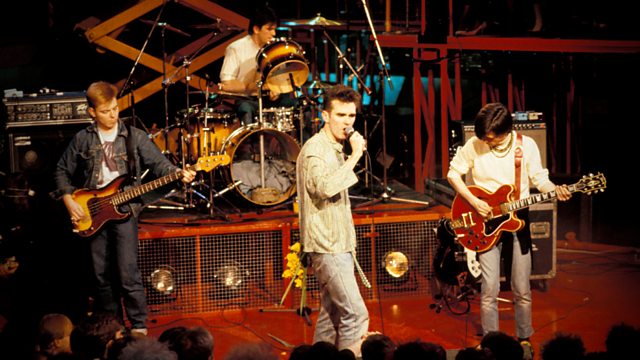
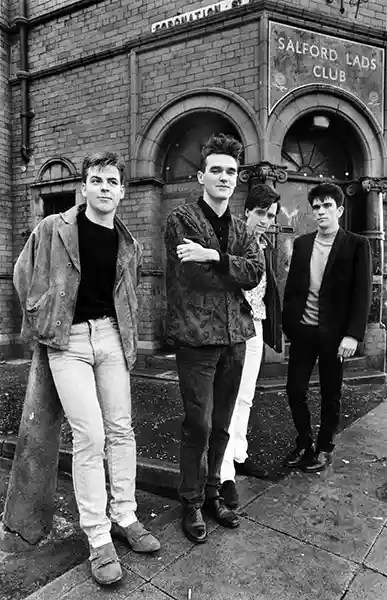
The Smiths (Left to right: Andy Rourke, Morrissey, Mike Joyce and Johnny Marr)

In terms of the Emulator, and the way that Johnny was writing at the time, I can remember during Strangeways... [in the Wool Hall studio, near Bath, Somerset ], he was set up in the control room rather than the live room and he just started playing these incredible string and piano parts. I know he’d played those on tracks before, but I was taken aback – I thought, ‘Hold on a minute – where did he learn to do that?’

Watching Johnny writing those parts and working out where they would fit… People throw around the word ‘genius’… but he did that without sitting down or rehearsing with a string section. He’d never been classically trained.

He’s also a better piano player than Morrissey is on Death of a Disco Dancer…

MJ: Well, actually I really like that piano part…

It’s atonal and it suits the song…

MJ: It’s just odd, which kind of goes with the man.

When Strangeways… was released, The Smiths had disbanded, after Johnny left the group. Were you sad that you never got the chance to promote the album or play any songs from it live?

MJ: No – I pulled my sadness back a few notches. I was slightly miffed – the finished article sounded so great – but I was more shocked about the split than not being able to play the songs live. That usurped it. I don’t think we would’ve done a Strangeways… tour – we might’ve played a couple from it.

‘I really like Morrissey’s piano part on Death of a Disco Dancer. It’s just odd, which kind of goes with the man’

Last Night I Dreamt… would’ve been tricky to play live at the time, wouldn’t it? Although Johnny has played it at some of his solo gigs in the past few years…

MJ: Oh, has he? The vocals, the bass and the drums are pretty bog standard – well, not bog standard, I’m sure Morrissey would be delighted to hear me say that – but with the string parts, it would’ve been tough, and there’s some percussion on there. I wouldn’t have thought it would’ve been that difficult to emulate.

We never rehearsed those songs [from Strangeways…]. Death of a Disco Dancer was just a take that we thought sounded great – we were just jamming with a rough framework to work from. The only time when we had an issue technically [live] was with How Soon Is Now? and that was with this bit [he sings the slide guitar part]. We tried it with a trigger, but it didn’t work – sometimes it was not sensitive enough, or it was too sensitive…

Picture by Paul Husband

So, with Strangeways.… turning 35, you’ve generously decided to raffle off your silver disc of the album to raise money for Manchester’s Back on Track charity, which you’re a patron of. How did you get involved with the organisation?

MJ: They asked me to be a patron – I had absolutely no idea what it entailed or about Back on Track, so I went to one of their open days, had a look round and listened to some of the testimonies of the people the charity had helped. It just seemed like such a wonderful place – helping people with rehabilitation from alcohol or drugs or anything that is stopping them being a part of society. It’s quite difficult for some people to come back into society, because all they’ve known are some frighteningly bad environments and they need to keep away from them.

‘The silver disc of Strangeways, Here We Come is precious to me, but I’ve got the memories of playing on the album and that’s more precious than anything’

Back on Track is a start for them and, apart from the obvious psychological and emotional battles, some of these people don’t have any qualifications – Back on Track can help with that and organise interviews for jobs that are available. To actually see and hear someone’s story when you’re sat face-to-face with them, and it sounded like it was all over for them, but, because of Back on Track it wasn’t… it was a no-brainer.

I thought that maybe I could organise some finances for Back on Track by raffling a disc. Everybody’s struggling at the moment and charities are no exception, especially post-Covid.

The [silver] disc of Strangeways… is precious to me, but I’ve got the memories of playing on the album and that’s more precious  than anything. Getting the accolade and receiving something made of glass, metal and plastic is wonderful, but I still received it – even when it’s gone and it’s raised money for the charity –  so I thought, ‘Let’s do it.’

I’m sure you’ve got a few other discs at home…

MJ: Yes, I have…

Thank God you didn’t choose to raffle off The Queen Is Dead. Timing is everything, isn’t it?

MJ: I don’t know if that would’ve been the best or the worst thing…

‘When I play with any artist, I really do have to find out about them – that’s why I’ve never done any session work. I want to know what their dreams and aspirations are, and what they hate and love’

You’d certainly have got some PR coverage out of it… Let’s talk about some of the other music you’ve been involved with after The Smiths. After they disbanded, you and Andy Rourke played with Sinead O’Connor. You’ve played with quite a few controversial singers, including John Lydon, in PIL, haven’t you?

MJ: I love it! When I play with any artist, I really do have to find out about them – that’s why I’ve never done any session work. I can’t go into an environment where it’s like, ‘Hi – this is Tony, this is Dave, this is Emma – off you go’. I don’t want to do that and I never will.

I have to understand a bit about these people – know them and feel them. I want to know what their dreams and aspirations are, and what they hate and love. I what to know everything about them because when I’m playing drums with these people, we’re having a conversation musically. I want to be able to give them what they want. We play a little bit – I know where their head’s at and what they want. By going and having a few beers with somebody, you can find out a lot about them, without asking them questions directly.

All the people that I’ve worked with are very interesting, intense and different. They’re very driven and some of them are very fragile – strong but not. They’re interesting characters and it’s fascinating, because I get to see everything – the audience, the singer, the band… I’m in a really privileged position, literally.

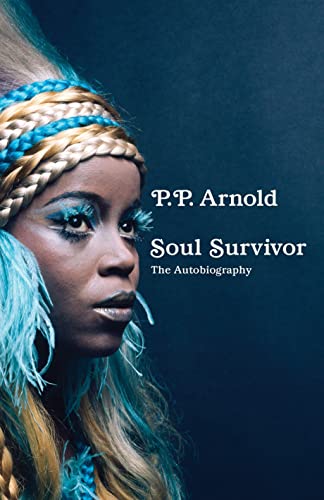
You played with P.P. Arnold, didn’t you?

MJ: Yeah – it was just a small kind of thing. I was working with a guy called Grant Ainsworth, who’s a fantastic keyboard player and a good mate of mine. We got in touch with her through our management at the time, but we didn’t really have the songs for her level of expertise. We did a couple of things – they were alright, they weren’t ‘chuck it in the bin’, but with her legacy, I felt someone like Mark Ronson should’ve stepped in there and done something superb with a full-on band. She was one of the Ikettes and she toured with The Rolling Stones – the stories that she had…

Have you read her book, Soul Survivor, which came out this year?

MJ: No – I didn’t even know she had one out. I’ll get hold of that. She used to talk to me about her and Jimi, who had a thing. I was like Jimi who? And she’d say, ‘Hendrix’….  and I’d say ‘Oh!’ And she’d talk about Brian being upset. And I’m like, ‘Brian? Brian Moore?’ And she’d say, ‘Brian Jones.’ It was unbelievable. She’s one of the loveliest people – inside and outside of music. That was a lovely little period of my life. We tried but we didn’t succeed, but I didn’t mind that – we didn’t have the right armoury for her, or to bring out the best in her. It was a great experience because she was such a sweetheart.

You and I have a mutual friend, singer-songwriter, Vinny Peculiar. You and Andy – and Craig Gannon, who was also in The Smiths – played with him, didn’t you? He’s such a great artist – his lyrics are wonderful.

MJ: Aren’t they just? That’s why I wanted to play with him. I heard his music and I thought ‘This is great’. I said to Andy, ‘Have a listen to this – these are good songs’. And they were – and they are. We had a good time playing with him for a few years, but I felt my time working with Vinny had come to an end – it had reached fruition. He’s a good friend – we went for a curry about a month ago. He’s a lovely guy.

The Smiths – Photo by Pete Cronin/Redferns

Why did you and Andy work so well together as a rhythm section? What was the chemistry? Didn’t Morrissey, or was it Johnny, once say you could’ve played with Elvis you were that good?

MJ: I remember that quote. I’ve not revisited it since you’ve mentioned it – it was 25 years ago and it was Johnny. He said, ‘If Elvis had had me and Andy as a rhythm section, he would’ve been a bigger star’. It was tongue-in-cheek, obviously. I love Andy – we got very tight on tour and we were rooming together. The way that I played and the way that he played worked together and so did the parts we wrote.

Andy’s quite a busy bassist –  he’s not a pedaller, he’s on the note. You can take his bassline away and it’s a song in itself. If I was a busy drummer, it would sound shit – there would be too much going on. I think that helped in the way that we played together – when I heard him playing those really busy basslines for the first time, I’d go very simple, which is what I do anyway. I like to play a rhythm rather than try and stamp my authority on the whole track – and that works. Our friendship was a massive part of it – we saw each other every single day for five years. It wasn’t just, ‘I’ll see you for rehearsals on Friday’.

Does it upset you when people say the legacy of The Smiths has been tarnished by some of the things that have happened since the band broke up?

I interviewed Johnny 20 years ago, when he’d launched The Healers, and he told me that other people – not just the band themselves  – had tarnished the legacy of The Smiths, like Warner Bros, who messed up a Best Of compilation when it came to mastering it and doing the artwork and the credits, etc.

‘If somebody doesn’t want to listen to a Smiths record for whatever reason, then don’t listen to it – it’s okay, I don’t mind’

And then there was the court case, which you brought against Morrissey and Johnny, and, in more recent times, Morrissey has upset people with some of his controversial views, so some people have decided they can’t listen to The Smiths anymore. Do we have to separate the art from the artist?

MJ: I don’t find it upsetting. We’re talking about somebody that I don’t know. Just because someone has a different view to me… With social media at the moment, I feel like there’s a lot of ‘get the pitchforks out’ if someone says something very different from what you’ve said. Of course I care, but I don’t find it upsetting. If somebody doesn’t want to listen to a Smiths record for whatever reason, then don’t listen to it – it’s okay, I don’t mind.

‘I can isolate 1982-1987 really well – that’s where my dreams were made and everything shone for me. Nobody can ever take that away. Whatever happens afterwards – people whingeing about this, or what somebody said… I’m not really that bothered’

Going back to the other thing you said about Johnny, maybe I’m not as intense as he is about those kinds of things, to be brutally honest. I could say,’Yeah – it’s a travesty and they’ve not done this or that,’ but, do you know what? As far as I’m concerned, I can isolate 1982-1987 really well – that’s where my dreams were made and everything shone for me. In terms of my musical aspirations, I’d arrived at them and nobody can ever take that away. Whatever happens afterwards – people whingeing about this, or what somebody said… I’m not really that bothered.

So, what are you up to now, musically? Any new projects? 

MJ: I do a bit of DJing – it’s a good night and I really enjoy the music.

What’s in your set?

MJ: It’s classic indie – Primal Scream, The Undertones, The Clash, Blondie. It’s the music that I like to listen to and have a dance to. It’s very simple – there are no curveballs in there. I enjoy doing that.

A few years ago, a friend of mine called Rick Hornby, whom I’ve known for 30-odd years, was living in London, doing some session work. He moved back to Cheadle Hulme [in Cheshire], which is about five or six miles away from where I live now. I’ve got a soundproof basement and I asked him if he’d fancy doing a bit of playing and he said he’d love to. So, he came down and we just played – there was no agenda. His guitar sound is superb and I was inspired by it. He was playing some really good parts, but I was more inspired by the sound – it’s a bit like the B-52’s. I’ve not heard a lot of guitarists play like that – it’s bordering on rockabilly, but a bit more modern.

‘Rick Hornby and I have started doing a bit of writing together and we’ve been to see an artist in Manchester – I can’t say who it is – but we’re going do to some recording with him in the States next year. He’s a guy from San Francisco and the band’s called Love Tempo’

We started doing a bit of writing together and we’ve been to see an artist in Manchester who he knows – I can’t say who it is – but we’re going do to some recording with him in the States next year and see what happens. He’s a guy from San Francisco and the band’s called Love Tempo. We’re going to throw it against the wall and see what sticks. I’m really excited about it. I didn’t think that I was going to do much more playing to be honest with you, because nothing had come along that made we go ‘wow’. This did.

I wasn’t that bothered if I didn’t get on a stage again, but, every time I go to a gig, I’m like, ‘God, I wish I could get up and play…’ but then that’s gone by the next day.

‘Fontaines D.C. have completely satiated my need to listen to new music. I’ve seen them live a few times over the last couple of years and each time they get better and better. They’re my new favourite group. I’ve not been as affected by seeing a band since I saw Buzzcocks when I was 14’

Do you listen to a lot of new music or go to many gigs?

MJ: I pick up bits and bobs. Until a couple of years ago, I was doing a radio show, and that dictated that I was keeping my ear to the ground and going to gigs a lot.  I listen to 6 Music and have the radio on when I’m in the car, but it’s mainly Talk Sport.

Fontaines D.C. have completely satiated my need to listen to new music. I’ve seen them live a few times over the last couple of years and each time they get better and better. They’re my new favourite group. I’ve not been as affected by seeing a band since I saw Buzzcocks when I was 14.

You played with them too, didn’t you? 

MJ: [Laughs]: Yes – I did.

Going back to The Smiths. How many times a week do people ask if you The Smiths will ever reform, do you get annoyed by it and what do you tell them?

MJ: Well, what day are we now? It’s Friday and you’re the first person this week. That’s not unusual. I don’t get asked very often, but, it’s usually in an interview situation, not when I’m putting my sourdough in my basket and it goes ‘beep beep’. I don’t get asked then.

In a working environment, like when I’m DJing, people ask me if there’s any chance of it happening. I think Johnny and Morrissey get asked a lot more than I do – probably ‘cos Johnny does a lot more interviews than I do. Andy probably gets asked the least because he doesn’t seem to be doing any live work at all.

‘If The Smiths reformed now and went and played, you wouldn’t be seeing The Smiths.  I like the idea of us not reforming. And even if they did, they might do it, but minus me! I was surprised it didn’t happen earlier’

I don’t get pissed off by it – it’s a natural question and I probably would’ve asked it of a band if I’d seen one member… Actually, I wouldn’t! Every time I see Ian Brown, I don’t ask him ‘When are the Roses getting back together?’

I think it’s because The Smiths had a relatively short career – only five years. A lot of people, like me, got into them after they’d split up – they never got the chance to see the band play live.

MJ: I think you’re right. I’ll tell you what, if The Smiths reformed now and went and played, you wouldn’t be seeing The Smiths.  I like the idea of us not reforming. And even if they did, they might do it, but minus me! I was surprised it didn’t happen earlier. There’s a reason why bands split up. They don’t say, ‘I’ll see you right I’ve got your number and I’ll check in every couple of weeks to see how you’re doing’. It never happens it’s a massive fucking breakup. It’s a divorce. People don’t ask you if you’re gonna get back with your ex-wife again! ‘It’s been 35 years, come on! You did love her…’

The idea of doing it? We’re all four very different people than we were when we were rehearsing in Crazy Face. It’s a lifetime that’s gone by.

The Smiths – photo by Stephen Wright

I think there’s a quote that Morrissey said: ‘Why would I go on stage with people that I don’t even know?’ Well, that’s exactly how I feel. I don’t know Morrissey and Johnny – I know Andy, because I’ve seen him since The Smiths split and up to the present day, but I haven’t seen Morrissey or Johnny, or sat down or spoken to them for 30-odd years. Why would I want to do that?

The financial gain is something that everybody talks about they say everybody’s got a price. Well, I don’t think so. It depends on how much you want the money, doesn’t it? Maybe you haven’t got a price and someone says: ‘We’ll give you £100,000,000  each.’ And the answer is still ‘no.’ ‘We’ll give you £500,000,000’ the answer is still ‘no.’ Maybe they’d then just leave them alone because it’s not going to happen. The rumours do come out it seems to happen just before either a Morrissey or a Johnny tour. I don’t know [laughs]... It make sense put it in the news…

There have been a lot of books published about the The Smiths, and Morrissey and Johnny have both written their autobiographies. Would you ever write one?

MJ: No. It’s funny – after an interview, usually, someone says to me, ‘Have you ever thought about writing a book?’ I have thought about it and then I think about not writing a book. It’s as simple as that. I have no desire, but a lot of people want to hear what I’ve got to say. Maybe it might happen, it might not happen… I just can’t be arsed. I know that’s not the most eloquent answer to your question.

There’s more to life than books you know…

MJ: But not much more.

To enter Mike Joyce’s charity raffle for Back on Track, please click here. 

https://www.mikejoyce.com/

https://www.backontrackmanchester.org.uk/

Mike Joyce – picture by Paul Husband