What better way to banish the post-Christmas winter blues than by blasting out some sublime jangle-pop… and there’s plenty of it about.
Three of my favourite new albums of 2018 so far ring like the Bells of Rhymney and owe a large debt to the chiming, 12-string Rickenbacker sound of The Byrds.
Coincidentally, as I’m sitting down to write this article, it happens to be ‘Blue Monday’ – (January 15), supposedly the most depressing day of the year, so it’s a perfect time to lose myself in some gorgeous, shimmering sounds.
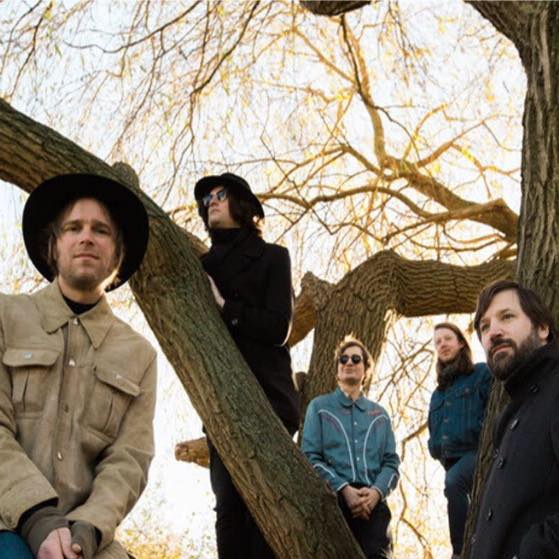
Songs For Somewhere Else, the brilliant second album by London psych-folk-country band – and Say It With Garage Flowers favourites – The Hanging Stars – opens with the beautiful On A Sweet Summer’s Day, which creeps up on you like the first rays of the morning sun – a hazy, lazy ballad with pedal steel guitar and a hypnotic, Spiritualized-like groove.
The album’s first single, Honeywater, has a Big Star feel, the galloping Gram Parsons country-rock of For You (My Blue Eyed Son) could easily sit on The Byrds’ cult classic Sweetheart of the Rodeo, while Mean Old Man doffs its cowboy hat to Ennio Morricone’s Spaghetti Western soundtracks.
Look out for an interview with The Hanging Stars – and a more in-depth piece about the album – on Say It With Garage Flowers soon.
Staffordshire four-piece Alfa 9 could be cosmic cousins of The Hanging Stars – they both share a love of psychedelic sounds and if you compared their record collections, I’m sure you’d find they both own plenty of albums by The Byrds and The Beatles, as well as cool, cult ‘60s film scores.
My Sweet Movida, the third album by Alfa 9, immediately takes the listener on a trip back to 1966 with the first song Smile Dog – think Revolver-era Fab Four, but with a harder, rockier edge.
Different Corner is a killer jangle-pop song and the moody Movida is The Byrds doing a Spaghetti Western theme – McGuinn meets Morricone. You certainly get your fistful of dollars’ worth with this album – there are yet more cinematic cowboy sounds on Darkest Sea, which is haunting gothic country.
The Byrds are also circling over the superb self-titled debut record by Bennett Wilson Poole – a supergroup formed by Robin Bennett (The Dreaming Spires), Danny Wilson (Grand Drive, Danny and The Champions of the World) and Tony Poole (Starry Eyed and Laughing, who have been called ‘the English Byrds’).
Bennett Wilson Poole
Created in rural Oxfordshire, it was produced by 12-string Rickenbacker maestro Poole. High on harmonies and brimming with backwards guitar effects and soulful songs, it’s a shining light in these dark times that we’re living in, but it doesn’t shy away from tackling social issues – the blistering, anthemic protest rock of Hate Won’t Win addresses the murder of politician Jo Cox and brings to mind Crosby, Stills, Nash and Young’s Ohio, while the beautiful, sensitive, stripped-down ballad Hide Behind A Smile deals with depression.
‘High on harmonies and brimming with backwards guitar effects and soulful songs, it’s a shining light in these dark times, but it doesn’t shy away from tackling social issues – the blistering, anthemic protest rock of Hate Won’t Win addresses the murder of politician Jo Cox’
Things lighten up with the irresistible, bouncy sunshine pop of Wilson General Store, but the record ends with a brooding, dark and stormy, ragged Neil Young-style epic guitar workout called Lifeboat (Take A Picture of Yourself) – its lyric even name-checks Young’s 1974 album On The Beach.
It would be wrong to write an article on jangle-pop without mentioning UK label Sugarbush Records, which continues to put out great, vinyl-only releases by bands whose ‘60s and ‘70s musical influences tend to be found in the ‘B’ section of a record shop – namely The Byrds, Big Star, The Beatles and The Beachboys.
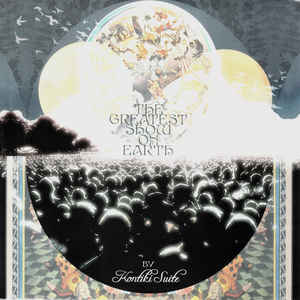
Carlisle group Kontiki Suite fall firmly into that category – their 2015 album, The Greatest Show On Earth, which is the follow-up to their 2013 debut, On Sunset Lake, has been re-released on limited edition vinyl by Sugarbush, and is an essential listen if you dig psychedelic jangle-pop.
Harking back to the 1968 masterpiece The Notorious Byrd Brothers, there are gleaming guitar lines (Bring Our Empire Down), cool, country-rock cuts (the harmonica and pedal steel-flavoured My Own Little World and Pages of My Mind) and cosmic voyages (Burned), but also a hint of late ‘80s indie with the sweet, blissed-out Here For You Now, which sounds like it’s been hanging out in The Stone Roses’ Mersey Paradise.
Set the Rickenbackers for the heart of the sun and welcome to the jangle…
•Songs For Somewhere Else by The Hanging Stars is out on February 16, on Crimson Crow: http://thehangingstars.com/
This year has been a remarkable one for new music – in fact, I’d go so far as to say it’s the greatest in the history of Say It With Garage Flowers, which launched in the summer of 2009.
Most of my favourite contemporary singer-songwriters and bands unleashed new albums in 2017 and I was lucky enough to interview several of them to find out the stories behind the songs.
Sadly, I haven’t been able to arrange an in-depth chat with the man whose album has made the top-spot in this year’s ‘Best Of’ list, although we did come very close to doing an interview a few weeks ago, but it got postponed at the last minute. I live in hope that we can rearrange it for next year – both of us dearly want it to happen…
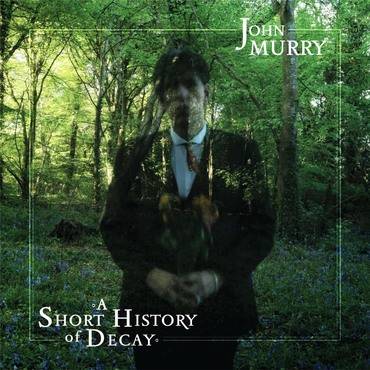
In the meantime, I will have to be content with listening to his latest record, A Short History of Decay, which is my favourite album of 2017.
The second solo record by John Murry – an American singer-songwriter who was raised in Tupelo, Mississippi, but now lives in Kilkenny, Ireland – A Short History of Decay is the follow-up to his 2012 masterpiece, The Graceless Age – one of the greatest records of the last few years.
Back in 2012, I said of The Graceless Age:‘It’s a deeply personal work that deals with the darker side of life, including drug addiction, loss and loneliness – it’s one of those records that’s meant to be listened to on headphones, alone, late at night, as it draws you in with its lush orchestration, gorgeous, spiralling melodies and twisted tales. Misery seldom sounded so sublime.’
Five years later, Murry finally released its successor. It was always going to be a tough act to follow such a brilliant record as The Graceless Age, but for Murry it was doubly difficult. Since its release, he’d had personal problems and demons to deal with, including family issues and the death of his close friend Tim Mooney, of American Music Club, who had produced his first album.
Michael Timmins from Canadian alt-country act Cowboy Junkies came to Murry’s aid. He’d seen him supporting his band in Glasgow and was captivated by his performance – I’ve seen Murry play live 13 times and he is one of my favourite artists to watch in concert. His shows are intense and extremely powerful – you never know what you’re going to get, but it’s always one hell of a ride. He is an extraordinary performer.
‘It was always going to be a tough act to follow such a brilliant record as The Graceless Age, but for Murry it was doubly difficult – he’d had personal problems and demons to deal with, including family issues and the death of his close friend Tim Mooney’
Timmins and Murry talked about making an album together – Timmins wanted to capture the rawness of Murry’s songs – and the result is A Short History of Decay.
It was recorded over five days in Timmins’ Toronto studio with a band comprising of his brother Peter (Cowboy Junkies) on drums and Josh Finlayson (Skydiggers, Gord Downie, Lee Harvey Osmond) on bass. John brought along Cait O’Riordan (The Pogues, Elvis Costello), whom he’d met in Ireland – she contributed backing vocals to the album.
Talking about the sessions, Timmins said: “I felt that it was important that John got out of his own way and that we set up a situation where he would just play and sing and the rest of us would just react, no second guessing, just react and capture the moment. It was a very inspired and inspiring week of playing and recording. Very intense. And I think we captured the raw essence of John’s writing and playing”.
They certainly did – A Short History of Decay is looser and much more raw than its predecessor. The wonderful first single, Under A Darker Moon, has fuzzy, fucked-up guitars and punk-rock sensibilities, but, at its heart, is a killer indie-pop tune.
My favourite track on the album is Wrong Man. A dark, stripped-down, Springsteen-esque ballad that deals with the breakup of Murry’s marriage – “I’m the wrong man to ride shotgun on your murder mile” – it makes for uncomfortable listening, but is such a beautiful song, with a simple, sparse keyboard and guitar arrangement.
A Short History of Decay has its fair share of gallows humour, too. Despite its title, One Day (You’ll Die) is one of the album’s lighter moments – a weird, mutated, but very catchy, pop-reggae (!) groove, with a guitar solo that sounds like it’s been lifted from the ’50s rock ‘n’ roll instrumental Sleepwalk by Santo & Johnny.
Similarly, Countess Lola’s Blues (All In This Together) is another song with an irresistible, sing-a-long melody, but when the dirty garage guitar comes in, it kicks ass.
The album’s closing track is a stunning cover of What Jail Is Like by The Afghan Whigs. “I will scratch my way out of your pen, just so that I can claw my way back into it again,” sings Murry, over psychedelic guitar sounds.
It’s great to have him back.
This year also saw the return of another Say It With Garage Flowers favourite. Back in 2014, miserablist duo Pete Fij (Adorable and Polak) and Terry Bickers (The House of Love and Levitation) released their debut album, Broken Heart Surgery, which topped my end of year poll.
2017 saw them follow it up with the brilliant We Are Millionaires – an album that I played to death this year.
As I wrote back in the summer, ‘like its predecessor, it’s full of deadpan humour and dry wit. With influences including John Barry, The Velvet Underground and Lee Hazlewood, and lyrical nods to movies The Third Man and The Birds, it’s like a soundtrack to an imaginary, downbeat, British, black and white kitchen sink-drama-meets spy-film – part Hancock, part Hitchcock – but this time around, there’s even some optimism.’
And while we’re on the subject of Lee Hazlewood, the legendary moustachioed maverick is a huge influence on Manchester singer-songwriter Nev Cottee, whose third album, Broken Flowers, was another highlight of this year.
His darkest record to date, it was written in the aftermath of a failed relationship. Nev’s rich, baritone voice is backed by lush, cinematic strings and the album moves from twilight country music to bluesy psych-rock and spacey, hypnotic grooves. First single, Open Eyes, sounded like Lee Hazlewood hanging out in Cafè del Mar.
Staying with Manchester melancholy, Morrissey came back in 2017 with Low In High School – his strongest album in years – but, sadly, the record was overshadowed by controversial comments he made in the press. Songs like the brassy, glam rock swagger of My Love, I’d Do Anything For You, the electro-tinged I Wish You Lonely and the epic Home Is A Question Mark would easily find their place in a list of his greatest tracks.
Ex-Only Ones frontman Peter Perrett surprised everyone by releasing a superb solo album, How The West Was Won, which was loaded with wry songs in the vein of Dylan and Lou Reed.
Husband and wife country duo – and Say It With Garage Flowers regulars – My Darling Clementine – returned with the excellent Still Testifying. Their third album saw them building on the Southern soul sound that they explored on their 2013 record, The Reconciliation? More Delaney & Bonnie than George & Tammy, and with gospel leanings and luscious horn arrangements, it could’ve emerged from Memphis, Alabama or New Orleans, but it was actually made in Tooting, South London.
Another husband and wife duo who are no strangers to country music – The Rails – impressed me with their second album, Other People.
Recorded in Nashville and produced by Ray Kennedy [Steve Earle and Lucinda Williams], it was a darker, heavier and more electric record than their critically acclaimed 2014 debut Fair Warning.
Moving away from the band’s traditional folk roots – it had ‘psychedelic’ tinges and ’60s organ – it wasn’t afraid to speak its mind and deal with modern social issues.
Gravel-voiced Mark Lanegan’s Gargoyle was also high up on my list of 2017 albums of the year. The latest in a long line of great releases by him, it continued to mine the seam of dark, brooding electronic rock he’s explored over his last few records.
Singer-songwriter Richard Warren – who’s played guitar for Mark Lanegan and Soulsavers – returned with his latest album, Distentangled. It was less dark than some of his previous releases – more soulful and stripped-down – but still with a nod to the ’50s sounds of Sun Records, melancholy, late-night ballads in the vein of Nick Lowe, Roy Orbison and Richard Hawley, and twangy guitar instrumentals that could be soundtracks to arthouse films that don’t exist yet.
A debut album that I fell in love with this year was This Short Sweet Life by Nottingham’s Torn Sail – coincidentally an act linked to Richard Warren, who played with them in a previous incarnation.
Written and produced by singer-songwriter Huw Costin, it was a haunting and gorgeous record – sad, but also uplifting and spiritual – an intimate, late-night soundtrack for the lost and the lonely that reminded me of Jeff Buckley at times.
Two of my favourite albums of 2017 weren’t actually from this year! Soul legend P.P. Arnold and Neil Young both released ‘lost’ long-players.
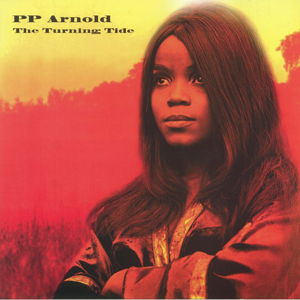
Arnold’s album The Turning Tide was a collection of songs from ’69 and ’70. Produced by Barry Gibb and Eric Clapton, the album was aborted and remained unfinished. Thankfully the master tapes were finally located, the tracks were completed and the album was issued 47 years later. It’s a great collection of groovy soul-shakers – her blistering versions of Traffic’s Medicated Goo and The Stones’ You Can’t Always Get What You Want are guaranteed floor-fillers – and tender ballads, like the lushly-orchestrated gospel song Bury Me Down By The River.
Young’s intimate Hitchhiker – it’s just vocals, acoustic guitar and harmonica – was recorded in a single night, in Malibu, California in 1976, but didn’t see the light of day until September this year. I’m so glad it did – it’s up there with his best work.
The dark and menacing title track is jaw-dropping – a staggeringly honest autobiographical tale, which sees Neil on a road trip with just his drug stash for company, before things take a turn for the worse and he ends up a paranoid wreck who has to escape from the L.A. rock ‘n’ roll scene and hole up in the countryside…
L.A. is the home of singer-songwriter Marlon Rabenreither, who, under the name Gold Star, released his excellent second album, Big Blue, this year, and, funnily enough, it often sounds like ’70s Neil Young, as well as early Ryan Adams.
I’d like to say thanks to Alex Lipinski who invited me to his album launch at Pretty Green in London’s Carnaby Street in November this year – I loved his latest record, the raw and bluesy Alex, with its mix of Dylan and the La’s.
And finally, I must mention the UK label Sugarbush, which continues to put out great jangle-pop, power-pop and psych albums on vinyl – both new releases and re-issues. This year saw Scottish guitar band The Carousels, who are on Sugarbush, release their gorgeous second album, Sail Me Home, St.Clair, which was heavily indebted to the sound of the Byrds’ 1968 country-rock cult classic, Sweetheart of the Rodeo.
I’m listening to it now, as I write this article and sail off into 2018…
• Here’s a list of my favourite albums of 2017 and a Spotify playlist to go with it: