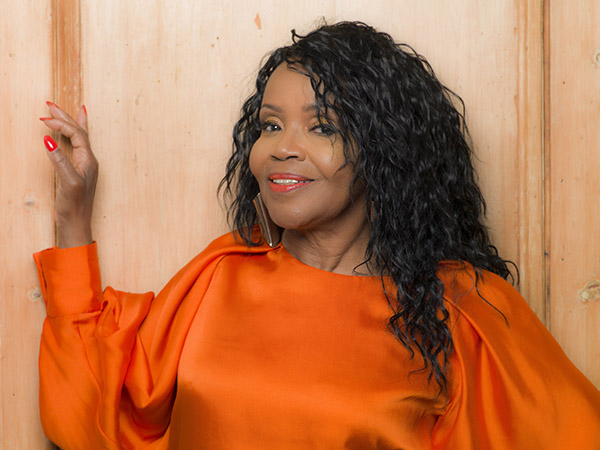
‘I just love to sing – I’ll sing the phone book if you give it to me!’


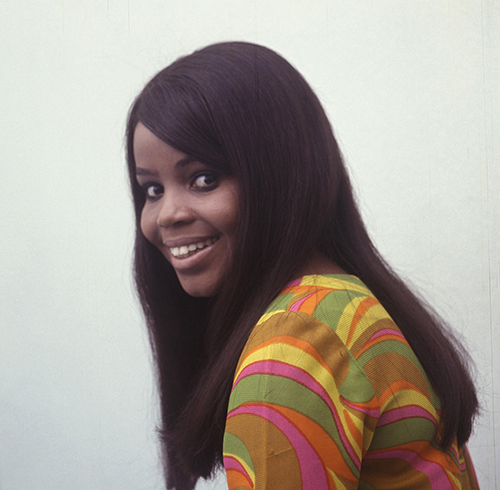
P.P. Arnold. Picture by Gered Mankowitz

This month sees the release of the first ever, career-spanning collection of music by soul legend, P.P. Arnold. 

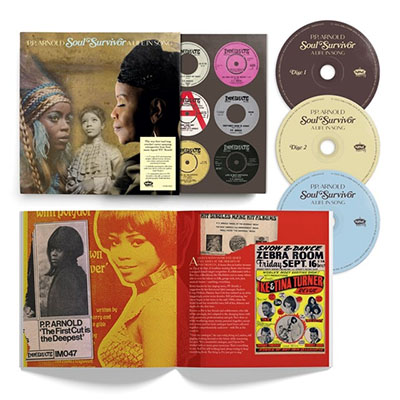
Available as a 57-track, 3CD box set or a 25-track double LP version, Soul Survivor – A Life In Song, is a companion piece to her 2022 autobiography of the same name. 
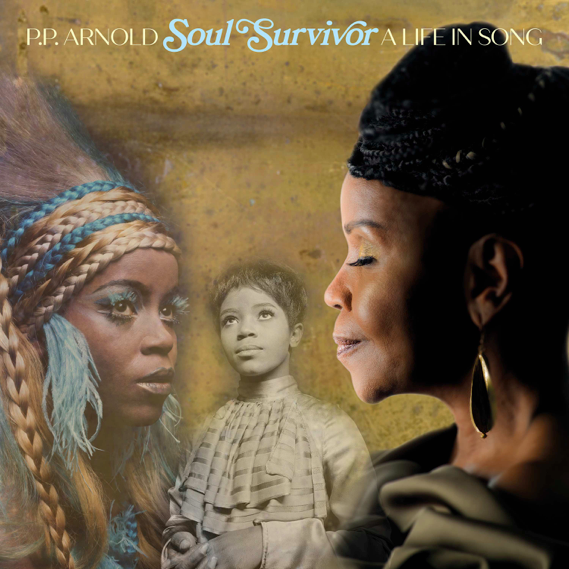
With a sleeve created by photographer (and her close friend) Gered Mankowitz, and with extensive new sleeve notes by author, Jude Rogers, the collection includes key singles and album tracks, as well as previously unreleased recordings, demo versions, live performances, and some rare mixes that are being reissued for the very first time.

The compilation features duets and collaborations with Rod Stewart, Chip Taylor, Andrew Lloyd Webber, Dr. Robert, and Andy Gibb. 

Born in Los Angeles, California, in 1946, Arnold joined Ike and Tina Turner as an ‘Ikette’, which brought her to London in the Swinging ’60s.
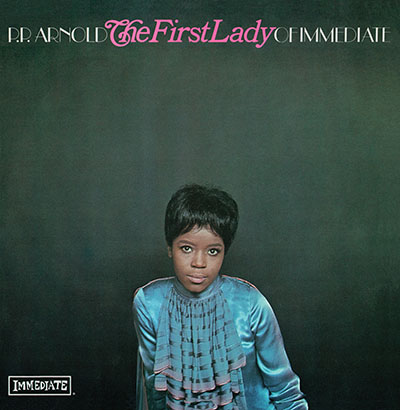
Since her early days signed to Andrew Loog Oldham’s Immediate label – her debut solo album, The First Lady of Immediate, featuring hit single, The First Cut Is The Deepest, came out in 1968 – Arnold’s allies, associates and working partners during her colourful and varied career have included The Small Faces, Cat Stevens, Mick Jagger, Barry Gibb, Eric Clapton, The Blockheads’ Chaz Jankel, Roger Waters, The Beatmasters, Primal Scream, The KLF and Ocean Colour Scene

In an exclusive interview with Say It With Garage Flowers, we ask her to tell us about some of the lesser-known tracks that appear on the box set and get her to reflect on just a few of her many collaborations.

Q&A

Has the box set been in development for a while?

P.P. Arnold: We started working on it after Soul Survivor [the book.] There’s a lovely guy called Michael Mulligan, who has put box sets together for loads of different people – it’s been two or three years. We worked on it together – I’ve been very closely involved. There were some things that we couldn’t get the rights for, but I got most of the things I wanted.

There’s a lot of great stuff for your fans included, and several songs that I didn’t know you’d recorded or released…

P.P. Arnold: It’s good, and I’m pleased about that. I would’ve liked to have included more of the stuff I did with Pressure Point – we did a really good album [This Is London] with a great band. It’s got good production…

The song that is included, Leave Right Now, has an acid jazz feel…

P.P. Arnold: It was acid jazz – and it was going to come out on the Acid Jazz label…

In the ‘80s, you were adopted by the UK dance music scene and made records with acts like The Beatmasters, who you met while in the studio singing for commercials…

P.P. Arnold: I was doing jingles, and they were doing dance music. I started writing some songs with Richard Warmsley [The Beatmasters], who was a great keyboard player. We started getting serious and they asked me to do a track with them. I didn’t know what house music was, so I asked them was it funky? I wasn’t into that whole thing that was coming out of Chicago… So, I went into the studio with them, and we cut Burn It Up. It was a very happening time with dance music.
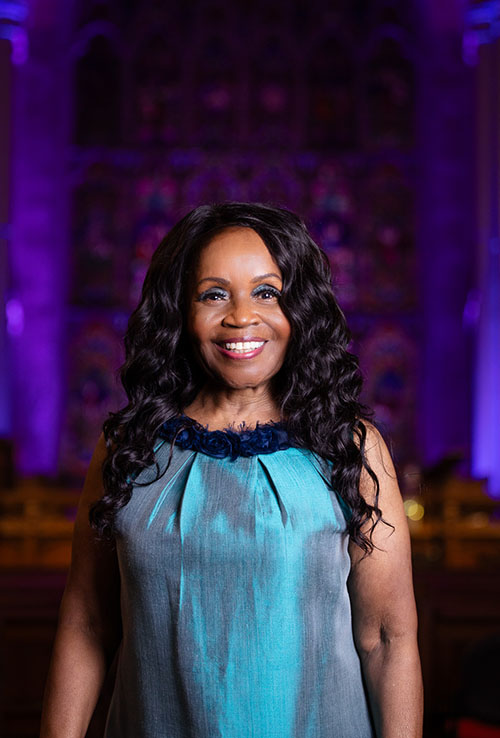
P.P. Arnold – picture by Robin Clewley

So, did you get into the scene?

P.P. Arnold: Yes, I did, but I didn’t do a lot of shows – The Beatmasters weren’t into gigging…

A lot of dance music was studio-based…

P.P. Arnold: Exactly – I’m the only live thing on the track, but I couldn’t get a record deal after Burn It Up. That’s why I did Dynamite, which I wrote with Kenny Moore [Tina Turner] – I had my own record company, which was ambitious, but I didn’t know about releasing records and all the under-the-table things that had to go down. I couldn’t compete, but The Beatmasters produced Dynamite, and we made a video. It had an underground kind of vibe.

Through The Beatmasters, I was introduced to The KLF, and I did some stuff with them. I also did E Vapor 8 with Altern-8 – there’s a crazy video for it on YouTube.


Let’s go back to the early ‘70s, to talk about your single, A Likely Piece of Work and the B-side, May The Winds Blow, which are both included on the box set. They were written by Jack Good and Ray Pohlman, and had a different sound to the British, pastoral-psych-pop sound you’d explored in the ‘60s – they sound more like punchy Northern Soul, or Stax…

P.P. Arnold: I guess they do, but they were produced in England. They were from the musical, Catch My Soul, which was a rock version of Othello. I knew Jack Good from the Shindig show in America.

You worked with P.J. Proby on Catch My Soul. How was that? Did he split his trousers?

P.P. Arnold: No, he didn’t, but he was a nightmare to work with, I tell you. He was a wild guy and he had a problem with alcohol. He used to show up in the morning… he used to drink Boone’s Farm apple wine… it wasn’t cool. It was what it was. I played Bianca in the show, and they beefed-up my role. In the original Shakespeare version, she was a harlot.

In the late ‘70s, you sang a duet with Andy Gibb on the Goffin and King song, Will You Love Me Tomorrow? It’s on the box set and it has a slight disco feel. Was that the first song you recorded after the death of your daughter, Debbie, in a car accident in L.A?

P.P. Arnold: It was – Barry Gibb invited me to come down to Miami and the idea was to finish the album we’d started. I took him up on his offer because I had to get out of Hollywood – I was too sensitive to be there. I was going to record with Barry, but when I got there he wasn’t able to do anything. Stigwood [Robert – Bee Gees manager] wasn’t up for it.

Barry was producing Barbra Streisand, Dionne Warwick and Olivia Newton-John – I didn’t have any support systems behind me, or a label… He was also producing a best of album for Andy Gibb, and he said I could do a duet with him for it – it’s such a beautiful version.

Let’s talk about Electric Dreams from the box set – it was featured on the soundtrack to the film that came out in 1984, and was co-written by Boy George. It was released as a single and has an ‘80s electro-pop feel…

P.P. Arnold: Don Was produced it and George did all the styling for the video. It came out as a single, and it was popular – the video is really sweet –  but the Giorgio Moroder [and Philip Oakey] song, Together in Electric Dreams, was used…

I didn’t know your song, A Little Pain, which is on the box set. It has a smooth R & B/soul sound, like Anita Baker or Phyllis Hyman…

P.P. Arnold: It was produced by Dexter Wansel and Nick Martinelli did the remixes. It had that Philly International vibe fused with Loose Ends – Carl McIntosh worked with us on it.

The Human Heart, which is also on the box set, comes from the musical, Once On This Island, which you appeared in. It’s a big Broadway ballad that starts with piano and vocals and then builds into a full arrangement…

P.P. Arnold: It’s beautiful. I love singing ballads. That’s the other side of me. I was heavily influenced by Dionne Warwick and Bacharach & David – that whole period of the ‘60s, which influenced a lot of what I did with Immediate and Andrew Loog Oldham. There are some beautiful ballads on The First Lady of Immediate album, like Something Beautiful Happened.

Do you think people often perceive you as a soul diva and forget your softer singing side?

P.P. Arnold: I just love to sing – I’ll sing the phone book if you give it to me! I can do jazz and blues… It’s all in me. I’ve got my own lane and the whole ‘60s British soul kind of thing is what people know me for.

In the ‘90s, you worked with Ocean Colour Scene – the single, It’s A Beautiful Thing, is on the box set – and, since then, you’ve collaborated with the band’s guitarist, Steve Cradock – he produced your 2019 album, The New Adventures of P.P. Arnold. One of my favourite tracks on the box set is your demo version of The Small Faces’ I’m Only Dreaming, which you did with Steve. It’s beautiful. I can remember you doing a version of it during lockdown for an online concert organised by the magazine, Shindig!

P.P. Arnold when she was recording for Immediate in the ’60s. Photo credit: LONDON FEATURES/Avalon/Avalon.

‘I’ve got my own lane and the whole ‘60s British soul kind of thing is what people know me for’

P.P. Arnold: I love it. We wanted to do it for the album [The New Adventures of P.P. Arnold], but there was so much stuff going on with the politics of the Steve Marriott estate. I didn’t want to do any of the Small Faces tracks because of that – his kids were being ripped off, and his mother was still alive… so I stayed away from it.  I wanted to record Afterglow… I did a funky version of it with Tony Remy, and I wanted to put it on the box set, but the recording wasn’t great.

The unreleased ‘90s recordings you did with Chaz Jankel (Ian Dury and The Blockheads) are available on the box set – there are four songs: Salobreña, Take Me To The Top, God In U, God In Me, and Which Side You On? You first met him in 1983, didn’t you?

P.P. Arnold: Yes – I met him when I first came back to England [from America]. I was going out with a guitar player who was working with Chaz – he had a studio just off Portobello Road. We really connected musically, and I wanted to do something with him then, but the guy I was with then was an idiot and got jealous, so it just didn’t happen.

Did you co-write the songs with Chaz?

P.P. Arnold: Yes – they were songs of mine, but Chaz put the music to them. I’d been living with God In U, God In Me for a long time…

It’s a protest song with an anti-war message…

P.P. Arnold: Yes – it’s so right for now. It’s all about how religion has so much to answer for.

‘I’ve got bags of songs, but I’ve never had the chance to work with people to develop them. Back in the day, nobody wanted me to write…’
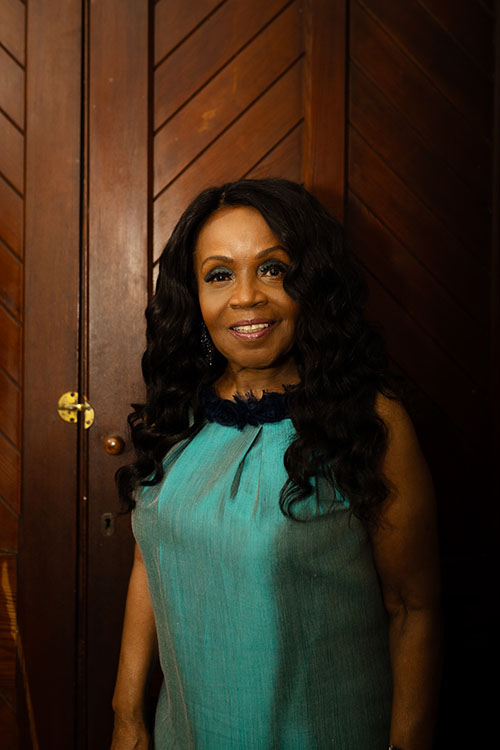
P.P. Arnold – picture by Robin Clewley

Why did the songs you did with Chaz never get released in the ‘90s?

P.P. Arnold: Neither of us could get a look in – people thought we were too old. I’ve got bags of songs, but I’ve never had the chance to work with people to develop them. Back in the day, nobody wanted me to write – they weren’t interested in me being a writer. They wanted me to sing their writers’ songs.

There’s a great track called Temptation that you did with Chip Taylor on the box set – it’s a country-blues song, but with a hip-hop beat, and it’s from his 2001 album, Black and Blue America

P.P. Arnold: Yeah – that song is a historical track about America, slavery, politics, rednecks and all the biblical wrongs that went down. It’s a funky track and I’m glad that it’s on the box set for the same reason as God In U, God In Me – those songs are very political, revolutionary and spiritual. People don’t really know me for doing stuff like that. I write a lot of political stuff, but it’s not out there. I’m pleased that these songs are going to be heard.

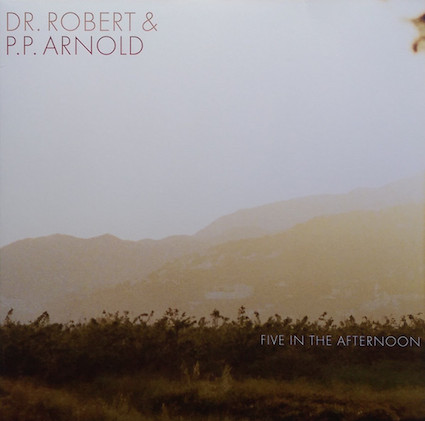
Let’s talk about Five In The Afternoon – the brilliant 2007 album that you made with Dr. Robert of The Blow Monkeys: there are four songs from it on the box set. It’s a great ‘lost’ album. He wrote it for the both of you, didn’t he?

P.P. Arnold: He did. I didn’t get a chance to be involved in the whole writing process, as I was on the road with Roger Waters – Robert wrote all the songs, but I contributed a lot to that album, like the melodies.
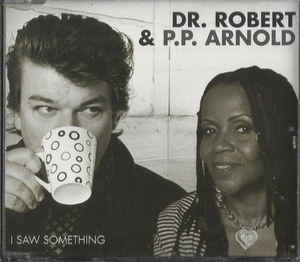
A lot of the tracks are cool – they remind me of my mum and dad’s grooves from the ‘40s and ‘50s. It’s a great album and we sound great together on it.

I met Robert at a party – we had a mutual friend, and they were jamming there. I got up and sang with them – I think we did The First Cut Is The Deepest and some Curtis Mayfield.
I love your live versions of the two Sandy Denny songs on the box set: Take Me Away and Like An Old Fashioned Waltz, which are taken from the Denny tribute show, The Lady, which you performed in…

P.P. Arnold: They were from a show at The Barbican. I also did the Sandy Denny song, I’m A Dreamer [on The New Adventures of P.P. Arnold]. Steve Cradock was really into her, and I told him that I’d sung in the show. Take Me Away has a real gospel vibe – I did a recording of it with Tony Remy too, but they decided to use the other one on the box set.
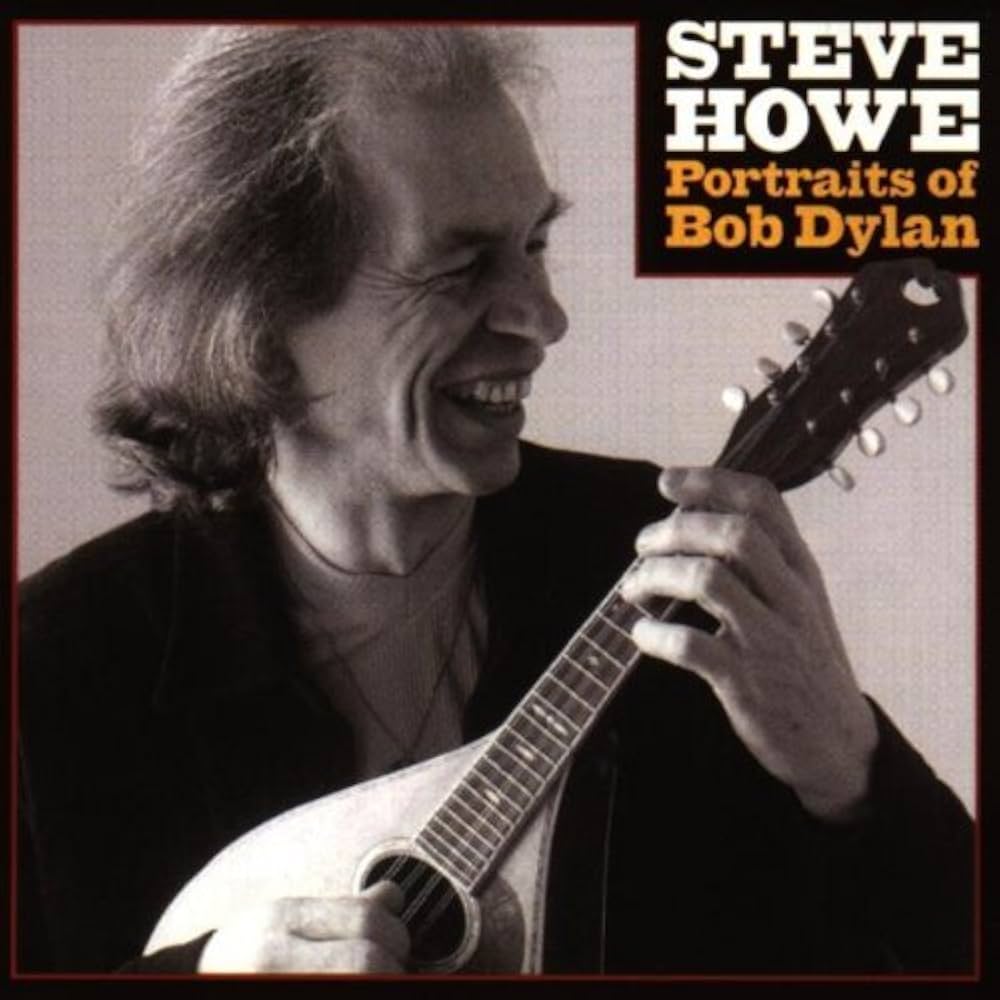
You’ve covered a Bob Dylan song that’s on the box set too, Well, Well, Well, with Steve Howe of Yes. It’s from his album Portraits of Bob Dylan

P.P. Arnold: That’s a great funky tune. Steve called me out of the blue and asked me to do it, which was lovely – we go way back. He played guitar when I was on the Delaney & Bonnie tour.

Do you think you’ll incorporate some of the lesser-known songs on the box set into your current live set?

P.P. Arnold: Absolutely. I like to change my set a lot, and I have so many great songs in the catalogue that I never get a chance to sing. I’m thinking about all that.

This year, it’s the 60th anniversary of Immediate. Any plans to do something around that?

P.P. Arnold: Yeah, it will happen, but there’s some politics going on… I think Kenney Jones has the licence to do something with The Small Faces…
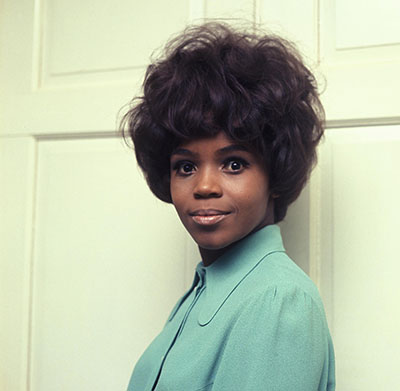
Photo credit: LONDON FEATURES/Avalon/Avalon.

Immediate had issues back in the day, and 60 years on, there are still things that need to be resolved…

P.P. Arnold: Definitely – it’s a journey. Nobody got paid… When I came back [to the UK] in the ‘80s, I wanted to know what was going on, and I started things happening. Kenney came out of the woodwork and Rod [Stewart] – everybody was interested. Everybody got ripped off in the ‘60s, and all the artists who are in the higher echelons of the industry now are the ones who got through the ‘70s – that’s when everybody started making money.

P.P. Arnold: Soul Survivor – A Life In Song is released on February 21 via Demon Music Group / Edsel.
P.P. Arnold will be touring in the spring. Please check her website for details: www.pparnold.com.


‘I don’t set out to make psychedelia… I like making music that’s a bit 3D’

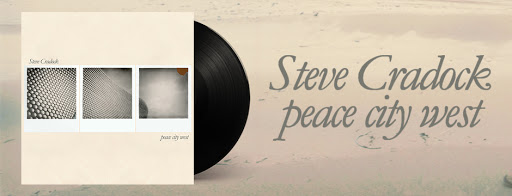
Steve Cradock has been busy during lockdown. The singer-songwriter, producer and guitarist for Brit mod-rockers Ocean Colour Scene, Paul Weller and The Specials used the time to revisit his 2011 solo album, Peace City West, which he has remixed and remastered for its first ever vinyl release.

Not only that, but he’s also played on Weller’s brand new studio album, Fat Pop (Volume 1), which was recorded at the Modfather’s Surrey studio, Black Barn, last summer, when Covid-19 restrictions were lifted.

Fat Pop (Volume 1) is due out next month. Say It With Garage Flowers has had a sneak preview of it and we’re pleased to say that it’s brilliant –  a worthy successor to last year’s On Sunset, which, alongside 2018’s True Meanings, has seen Weller hit a purple patch.

Coincidentally, Cradock’s Peace City West, which was the follow-up album to his 2009 solo debut, The Kundalini Target, started to take shape when he recorded the first song, Last Days Of The Old World, at Black Barn, shortly after the sessions for his first album. That track, which features Weller on bass and backing vocals, inspired him to make the rest of the record.

Cradock recruited fellow Weller band member/ The Moons frontman, Andy Crofts, to assist with some of the songwriting for the record. They demoed the songs while on the road and then recorded the album in December/ January 2010 at Deep Litter Studios, on a farm, in rural Devon.

The album, which features drummer Tony Coote (Ocean Colour Scene/ P.P. Arnold, Little Barrie), and actor James Buckley (The Inbetweeners) on guitar and guest vocals for one track, I Man, is a lost gem. It’s a collection of 10 really strong and highly melodic songs, from the infectious and jangly, Beatles and Jam-like power-pop of opener Last Days Of The Old World, to the ’60s psych of The Pleasure Seekers, the pastoral cosmic pop of Kites Rise Up Against the Wind, the gorgeous and folky ballad Finally Found My Way Back Home –  co-written with Crofts and ’60s soul singer P.P. Arnold, who Cradock produced a solo LP for in 2019  – and the country-tinged Lay Down Your Weary Burden.

‘Peace City West sounded bad because of the mix. It was time to re-do that, get rid of the interludes, make it sound like it should’ve done and put it on vinyl – those were the three things that were missing’

After Peace City West came out, Cradock decided he wasn’t happy with the final mix of the album, or the psychedelic instrumental interludes that he’d put in-between the songs, so, 10 years later, he decided to do something about it.

“We mixed it badly on a laptop in January 2011 and then it was finished, but listening back it just sounded bad because of the mix,” he says. “It was time to re-do that, get rid of the interludes, make it sound like it should’ve done and put it on vinyl – those were the three things that were missing for me.”

Working at his home studio, Cradock set about the task of giving the album a new lease of life. “The first track I tried mixing was The Pleasure Seekers, which is the second song on the record, and as soon as I heard the proper drums in it that’s what made me think it’ll be worthwhile doing it,” he says.

Say It With Garage Flowers spoke to Cradock, who was at home in Devon, where he has his studio, Kundalini, to find out more about the album, and also gain an insight into his recording process, his influences and his collaborations with P.P. Arnold and Weller.

Q&A

I listened to the new version of Peace City West and then the old one. I think the psychedelic interludes on the original release detract from the songs a bit…

Steve Cradock: That’s what I think – the new version gives it more focus. I like the fact that it’s now simple – it’s just the songs. Hearing the vinyl test pressing made me smile, which was good.

There was a lot of meandering nonsense on the old version, but, at the time, that was where my head was at – I thought it was interesting. There were bits of road music on it, from when I was in Egypt. I recorded a guy saying a prayer. I was enjoying that self-indulgence, but, in 2020, I wasn’t.

Until you came to remix Peace City West, had you listened to it recently?

SC: No – I can’t remember the last time I listened to it. That’s why I was so shocked by the quality of it when I did. I thought it if was going to come out [again] it needed to be put into its own space.

Let’s talk about some of the songs on the album. The opening track, Last Days Of The Old World, has a power-pop feel and it reminds me of The Jam…

SC: Musically, I was maybe copying a bit of Elephant Stone [The Stone Roses]. It’s also quite Beatlesy – it’s got a 12-string Rickenbacker on it. The last chord is like The Jam, or it could be a Beatles thing.

Lyrically, it talks about how the rise of social media and smartphone culture has affected society and how we communicate with each other. Are you a reluctant user of social media?

SC: Not – not at all. I wrote the chorus lyrics and the melodies, but Andy Crofts wrote the lyric in the verse. I like social media – I like Instagram and Twitter’s alright.

I guess if you’re a musician who’s stuck at home during lockdown, social media is crucial for getting your music and message out there, although, I’ll be honest, I think there are too many online concerts happening…

SC: Do you know what? Even when they first started, I thought: ‘there’s no way I’m going to be doing any of that shit!’ There were people doing it in their kitchens and the sound was shit. I haven’t done one and I won’t be doing one.

The Pleasure Seekers was the first song you remixed for the album, wasn’t it? It’s got a good drum sound on it. Was that key? I think the track sounds a bit like The Who at times…

SC: The Who? Really? Oh right – the fast acoustic guitar… Yeah – it is a bit Who-y. It has Chris Griffiths from The Real People singing on it and his brother, Tony, sings on the chorus, which sounds really nice. Do you know the history of The Real People?

They were almost Oasis before Oasis, weren’t they?

SC: They wrote some great tunes and they helped to demo Oasis when they first got together. I think Liam Gallagher sings like Tony Griffiths because of that. Without being controversial, I don’t think Liam sang like that before they worked together. I know he tries to sing like Lennon but… anyway… blah-blah-blah.

‘When online concerts started, I thought: ‘there’s no way I’m going to be doing any of that shit!’ There were people doing it in their kitchens and the sound was shit. I haven’t done one and I won’t be doing one’

Like several of the songs on the album, The Pleasure Seekers has ‘60s flute sounds on it…

SC: Yeah – it’s that ‘60s Mellotron sound, but I also love a real flute. At the time of the album, I had a new digi-Mellotron called a Memotron – everyone had one. Listen to The Moons from that time – it was everywhere, like a bad rash, because it was new. The title of The Pleasure Seekers  came from a ‘60s film poster at Weller’s place.

Kites Rise Up Against The Wind has more ’60s psychedelic flutes on it and it’s pastoral…

SC: That song was originally a backing track that Charles Rees, who is the engineer at Black Barn, recorded for a bit of fun. That was around 2007. We would play it and love it – there was something about it. He gave it to me to write a tune for it.

‘I tried to put a really pretentious middle part into it, where you leave Earth and go to some other planet and then you come back to Earth. It was an experiment. Whether it worked or not, I’m not sure’

There was a guy called Davo [Paul Weller’s keyboard tech] who had a typical Scouse wit. He used to say [puts on a Scouse accent]: “Kites rise up against the wind, la.” I was like, “fucking hell – say that again!”

It was borrowed and I tried to put a really pretentious middle part into it, where you leave Earth and go to some other planet and then you come back to Earth. It was an experiment. Whether it worked or not, I’m not sure.

Little Girl is a very pretty song, with acoustic guitar and a really nice string arrangement, and Lay Down Your Weary Burden has a country feel, with pedal steel…

SC: On Little Girl, I was trying to go for an acoustic Neil Young thing. The lyric for Lay Down Your Weary Burden came from a poem Weller gave me – I put chords to it and then wrote a vocal melody. It’s kind of a dark, bitter tune, but hopefully the melodic chorus gives it some light at the end of the tunnel – there’s something beautiful about it.

The last song on the album, Ring The Changes, is a lullaby. It has snoring at the start and your daughter, Sonny, sings on it…

SC: She is horrified about it now. My son, Cass, was sleeping and we mic’d him up. It’s a nice little ending to the album. The middle eight is in F-sharp. When we were recording, we visited the local church when the bells were being rung. I spoke to the guy who was ringing them – the bell master. He told me they were in F-sharp. I said: “no fucking way! Can I record them on my phone?” He said:  “Oh yeah – of course you can.” It was luck – right time, right place.

And right key…

SC: Right fucking key! You can’t put a capo on church bells, can you?

The album is a lot more psychedelic than I was expecting it to be. When you’re doing solo records do you feel you can afford to be more self-indulgent than when you’re playing in a band, like Ocean Colour Scene?

SC: No – there’s no difference really. I like making music that’s a bit 3D – I love using delays and reverb. I don’t set out to make psychedelia. Some people have a spliff and it opens everything up – I try and make music like that. You don’t get it all from the first listen.

‘I’ve been recording with Weller’s daughter, Leah. I’m working on an album with her and it’s starting to sound really mega’

You have your own home studio, Kundalini. What’s the set-up like?

SC: It’s in a double garage at the back of my house. It’s sweet, man. I’ve got a drum kit, a grand piano and timpani drums in there – there’s a vibe. I do it all in a box – I use Logic and UAD. It’s so good these days. I’m not a big fan of MIDI – I play everything and then record it in a box. That set-up works for me. I’ve been recording with Paul Weller’s daughter, Leah – I’m working on an album with her and it’s starting to sound really mega.


I love the 2019 album you made with P.P. Arnold – The New Adventures of P.P. Arnold. Any plans to do another one together?

SC: I don’t know – we haven’t really spoken about it. That record took us a long time – we were working on it from 2016 to 2019. It wasn’t continual, as I was out on the road, but… it’s a double album. Anytime she asks to work with me, I would, of course.

How did you end up working with her? You were obviously a big fan, as she was a mod icon…

SC: Ocean Colour Scene had a studio in Birmingham that was close to a theatre that she was working at. As a fan, I took my copy of her album, The First Lady of Immediate, to get it signed, and I gave her some flowers. I told her we had a studio down the road and I asked her if she fancied coming to do some singing. She gave me a look and said [he puts on an American accent]: “Well, actually I’ve got to get back…” I was thinking ‘oh fuck.’

The next time I bumped into her was when I was playing guitar with Paul and she came to do a backing vocals session – it might have been for the Jools Holland show or something. She came in and went, ‘oh – it’s you!’ She remembered me.

She sang on Traveller’s Tune and It’s A Beautiful Thing for Ocean Colour Scene – she’s great and she’s still got a really fantastic voice.

Talking of collaborations, is there anyone you’d like to work with?

SC: I’d like to work with a rapper called Leaf Dog – I’ve spoken to him quite a few times. I got into him through my son, Cass. I think he’s really inventive – the way he uses loops and puts it all together. He’s really out there. I’d like to be in a room and see how he does his shit – it’s only four or eight bars and that’s it. It’s not like my generation and where I come from, which is all about songs and arrangements: intros, verses, bridges, middle eights and codas. He has a different take on it.

What music have you been enjoying during lockdown?

SC: There were two tunes. There’s a group called The Innocence Mission who have a song called On Your Side, which really resonated with me – I just think it’s so beautiful – and the other one was a track called The Poison Tree by The Good, The Bad & The Queen. I couldn’t stop playing it, like 20 times every day.

During lockdown, a lot of us have had time to reflect. How do you feel now about the height of your success with Ocean Colour Scene during the ’90s? Your album Moseley Shoals sold over 1.3 million copies around the world. Do you get nostalgic for that time?

SC: No. I don’t even think about it – the heyday. I’ve not listened to the record for many years – I don’t see the point really.

When did you first learn to play guitar? Were you self-taught?

SC: I’m self-taught. I was originally a bass player, from the age of 11. I had a really shitty classical guitar and I used to listen to the UB40 album Signing Off a lot. I’d pick up the saxophone melody parts, or the guitar parts that Robin Campbell would play. That’s what started me trying to play.

What other music were you listening to when you were growing up?

SC: My first three albums were all Greatest Hits : Aretha Franklin, Otis Redding and Booker T and the M.G.’s, but the first record that really did it for me was the B-side of The Jam’s The Bitterest Pill (I Ever Had To Swallow) – it’s a song called Pity Poor Alfie. I listened to that tune every day throughout my teenage years and I still listen to it a lot now. It totally blew my mind.

I liked The Jam, UB40, Elvis Costello and Blondie, and I really liked pop stuff, like Marc Almond and Soft Cell – I thought they were great. It wasn’t until later that I started to get into Motown.

 ‘I’d like to work with a rapper called Leaf Dog. He’s really inventive – the way he uses loops and puts it all together.  I’d like to be in a room and see how he does his shit’

You’ve played on almost all of Weller’s solo albums, haven’t you? That’s 15 out of 16 records, if you include the forthcoming one, Fat Pop (Volume 1.) You weren’t on his first one – the self-titled album. How did you first meet him? Didn’t you used to hang around his Solid Bond studio in London? 

SC: I did, but I don’t know about ‘used to’ – I went down once and managed to get in. I played him a demo of a group I was in called The Boys. He said: “It sounds like The Jam, don’t it?” I was like: “Ahhhh – yeah….” He was getting into house music. I went on a pilgrimage from my home in Birmingham – that’s the reason I did it.

Why and how have you managed to stay playing with Weller for so long? What’s the, er, solid bond, that you have?

SC: I don’t know. That would be a question for him, wouldn’t it? I do feel lucky that I’m still involved. He’s always been really lovely to me. He must like what I bring to the table.


The remixed and remastered version of Peace City West is out now on Kundalini Records – to find out more, visit http://www.stevecradock.com/.

Paul Weller’s Fat Pop (Volume 1), featuring Steve Cradock, is released on May 14 (Polydor Records).