‘We’re like two ’70s TV cops, but we don’t catch crooks – we write melancholy songs’

Pete Fij Terry Bickers 2 (Photo Credit Tiya Ivy)-1

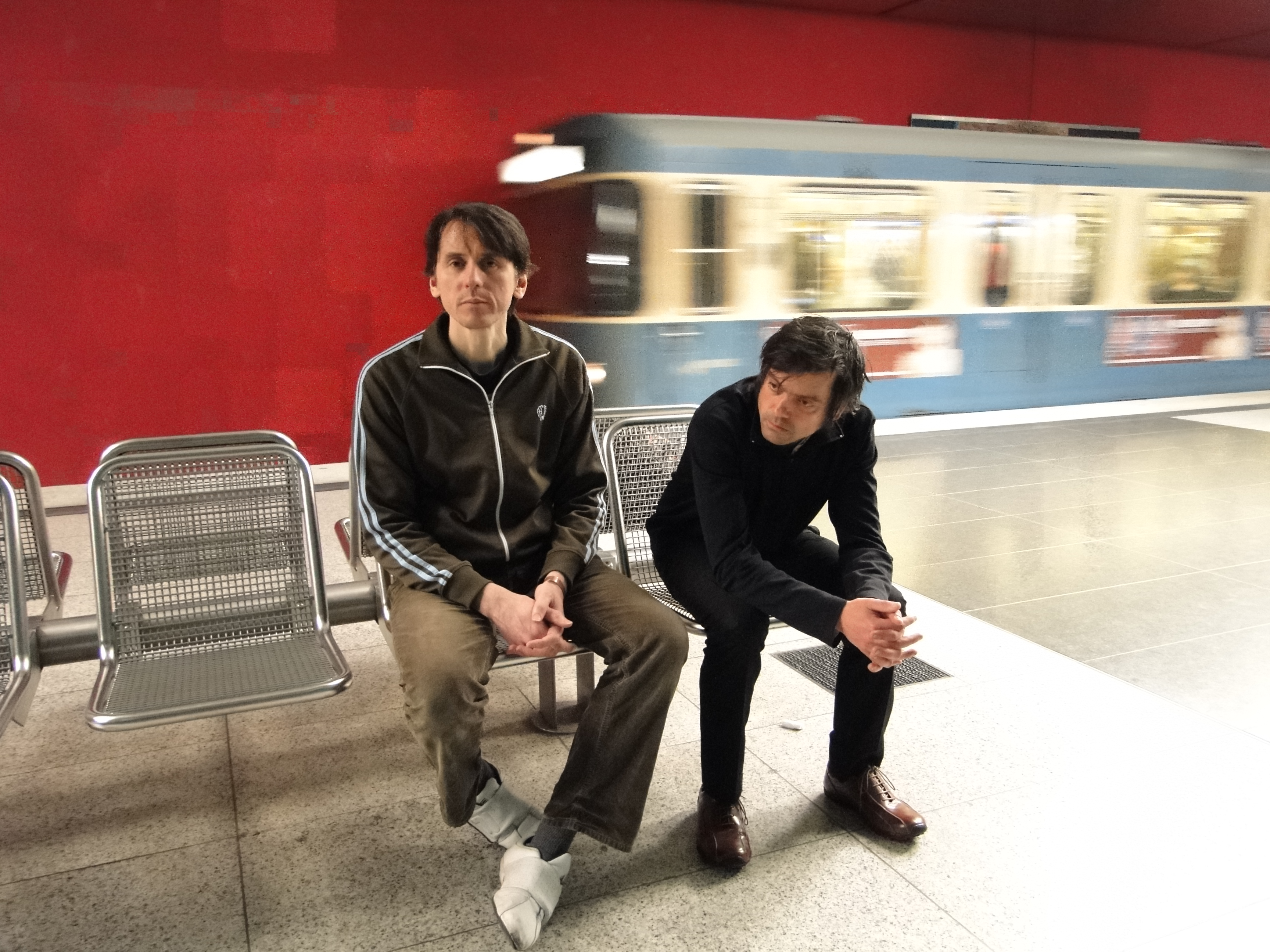
Singer-songwriter Pete Fijalkowski (Adorable and Polak) and guitarist Terry Bickers (The House of Love and Levitation) have made one of the best albums of 2014 so far.

Broken Heart Surgery is an intimate, stripped-down record that deals with the breakup of a relationship.

With nods to Johnny Cash, Spiritualized, John Barry and The Velvet Underground, it’s raw, deeply personal,  melancholy and cinematic, but also has plenty of gallows humour and deadpan wit. However, as Pete explains, it almost never saw the light of day…

Congratulations on the new album – it’s a superb record that can be comfortably filed alongside other great breakup albums, like Bob Dylan’s Blood On The Tracks, Nick Cave’s The Boatman’s Call & Ryan Adams’  Heartbreaker. Considering the subject matter, was it a difficult record to write and record, or was it a cathartic process?

Pete Fijalkowski: When I first started writing and recording the songs, back in 2003, on my own, I didn’t set out to write a breakup record, but after the first couple of songs were obviously in that vein – Betty Ford and Loved & Lost – it seemed a good idea to let the songs lead me and to write a whole album with a single theme – to give it a more coherent whole. It was a different experience, as I was writing completely solo, without a band or partner. It was quite a lonely process, which was apt for the subject matter.

It’s a very personal record that outlines the breakup of a relationship and the aftermath. Although it’s a dark, melancholy album, it’s shot through with deadpan wit and black humour, as well as anger, bitterness & sadness, isn’t it?

PF:My songwriting has evolved over the years and I think it’s far less oblique, easier to understand and more straightforward. I wanted to keep a sense of humour in what is essentially a dark subject – to temper it slightly and inject a bit of gallows humour. I hope that some of the lines make people smile.

In your lyrics, you often compare love and relationships to objects (Submarine by Adorable) or you use technology metaphors, like ‘voucher code’ and ‘ free download’  [Out of Time – from the new album], or Tracer by Polak. Would you say this is a lyrical trait of yours?

PF: Metaphors are a typical songwriting device, used throughout the ages – I think most songwriters use them, so I don’t see it as anything unusual. I’ve been guilty before of hiding behind them – where the metaphors are so obscure that no-one can really know exactly what I’m singing about. On an early Adorable track called Homeboy, I’m not even sure what exactly I was singing about! There are other songs where I know what they are about, but I wouldn’t expect anyone else to be able to decipher them. These days, I still use metaphors in some of my tracks, but in a far more accessible way.

On the new album, there are also several lyrical references to material possessions – leaving them behind, or being saddled with someone’s else’s old stuff, like CDs. There’s a lot of emotional baggage involved, but also a lot of physical baggage, too…

PF: I wanted the album to reflect the various aspects of a breakup, so while some of the subject matters are taking place more in the head, there are others that have a very physical location and an obsession with small details – the division of objects between a couple (Breaking Up), the forgotten objects left behind in a now half-empty flat (Queen of Stuff) or the changing soundtrack to a couple’s life as their relationship deteriorates – from furtive whispers and kisses, to slamming doors and uneasy silences (Sound of Love).
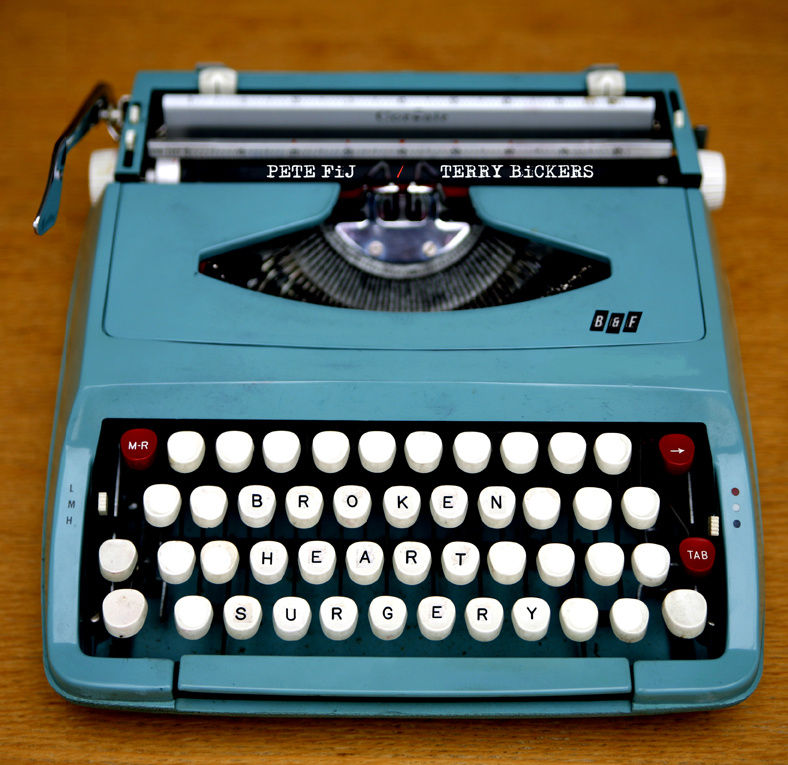
Pete-Fij-Terry-Bickers-Broken-Heart-Surgery-Signed

There are some brilliant lyrics on the album – some of which made me laugh out loud. For example, “Hope – it’s more addictive than coke. Yeah – it’s cupid’s cruel joke…” (Betty Ford) and “[she] just left me with cutlery and a whole pile of her duff CDs…” (Queen of Stuff).

You’ve always had a way with a great killer lyrical couplet, haven’t you? Who are your favourite lyricists?

PF: I look back to some of the great songwriters of the 1940s – Leiber & Stoller (Is That All There Is?) and Rodgers & Hart (My Funny Valentine). From the ’60s, I’d go for Leonard Cohen – Famous Blue Raincoat. I’m sure there are more recent examples, but those are the first three examples I could think of. They use lyrics to tell a story, but you don’t need a degree in semantics to understand it, they have a sense of humour and are poetic – they go beyond the humdrum. Actually, I’ve thought of another – Neil Tennant of the Pet Shop Boys, whose lyrics are clever, funny and down to earth.

What are your favourite breakup songs by other artists?

PF: I’ll go for three – The Thrill Is Gone by Chet Baker; Yer Feet by Mojave 3 and  ‘Til I Get It Right by Tammy Wynette.

What did you want to achieve with Broken Heart Surgery? Are you happy with it?

PF: First and foremost, I wanted to make an album that I was proud of. And I am, so that’s the job done from an artistic point of view. Terry would love to go back and tinker, but that’s Mr Bickers for you!

The second challenge was trying to make the album see the light of day – both me and Terry are as poor as church mice, so the challenge of getting the record made and then out was a big one. We couldn’t find a label who were prepared to back us, so I had to fund the recording myself, and then do a Kickstarter fan-funded thing to get the record pressed and promoted. It was a bit of a plan Z, after we had run out of other avenues, but it’s actually been a great experience.

The third challenge is having the record come out and for it to be heard by all the people who need to hear it – so that it has as good a chance as it can and it can then stand or fall on its own merits. I’ve made albums before that I’ve been really proud of but no one has heard – Rubbernecking by Polak would be a good example. It didn’t get reviewed anywhere, which was such a frustrating experience after pouring all of your heart into for 18 months. That experience almost made me give up music altogether. On this album though, I’m glad to report that it’s been listened to and reviewed and, amazingly, all the reviews have been very positive, which was a new experience for me.

How did the new album come about and how did Terry Bickers get involved? What’s your working relationship like and what did he bring to the record?

PF: I had finished recording the first version of Broken Heart Surgery in 2004, but then I just put it in a drawer and didn’t do anything with it – either working on my own meant that I didn’t have the responsibility of pushing it, or maybe I was worried about rejection, or maybe my task at that stage was just to satisfy myself to record the songs. I don’t know why I didn’t get on and do it… I did consider just giving up on music at that stage.
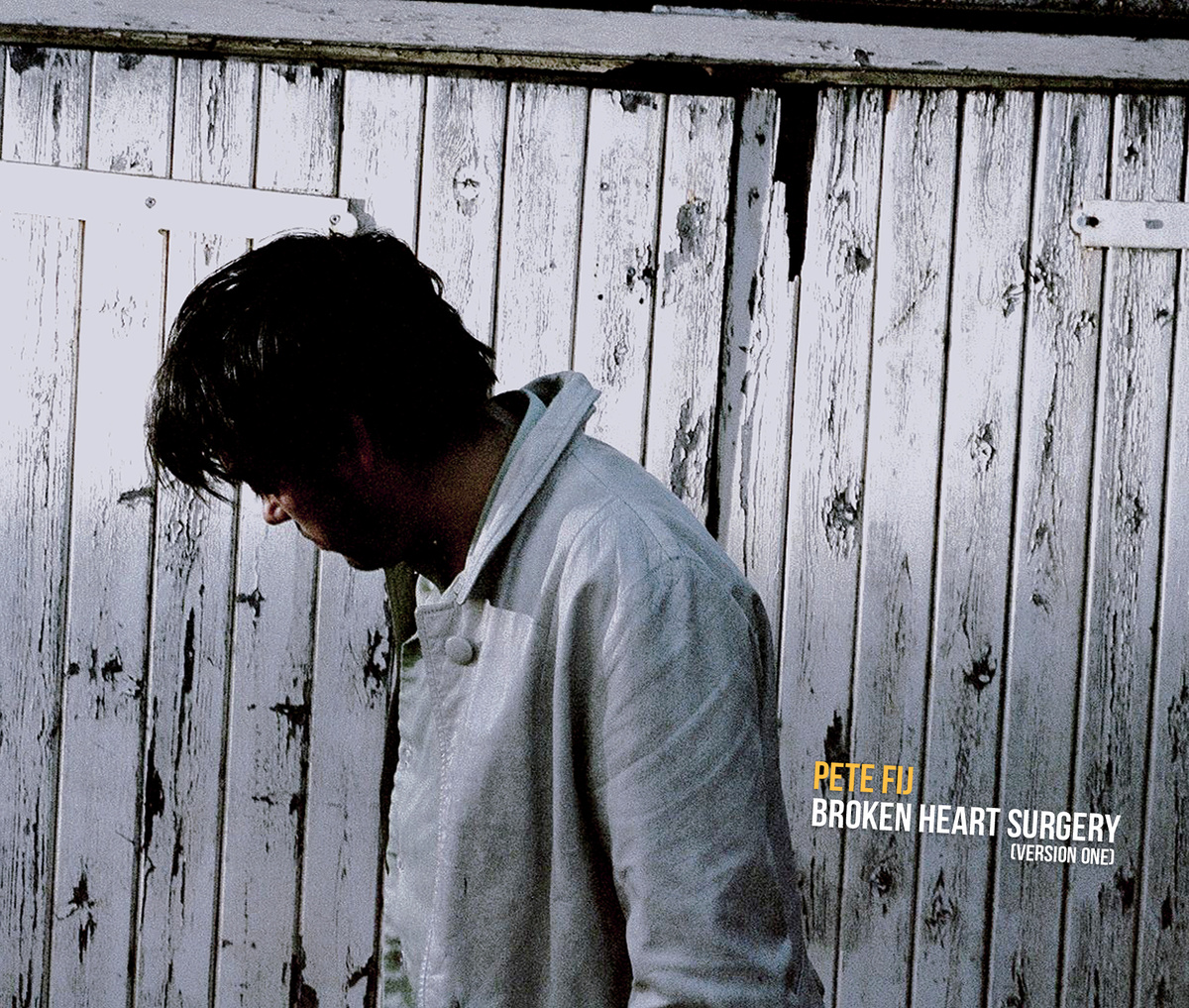
a2212228296_10

A few years later I was offered a chance to play with Terry in a beautiful church and it was too good a chance to miss. I had crossed paths with him a couple of times and had always been a huge fan of his work in The House of Love, so it seemed like the perfect opportunity to get him to play with me and to tick a box for myself of playing with one of my heroes from my youth.

We got on and the show went down well, so we took it from there. We re-wrote a lot of the material and then headed back to the studio. You can hear what Terry brought to the party by listening to the two albums back to back. My pre-Terry version of the album is available through our Bandcamp page www.petefijterrybickers.bandcamp.com ). My version was deliberately stripped down and bare – Terry added some lovely, tiny touches. If the album was a film, I see myself as the scriptwriter and Terry as the cinematographer. I tell the story and he makes it look beautiful.

We’ve got to know each other over the years and have a close relationship, though we are very different people – it’s like a bad ’70s cop show where there are two mismatched personalities, brought together by a common goal. Only we don’t catch crooks, we write melancholy songs!

Terry came along and added guitar parts and we revisited some of the songs and changed the structures a little – to give him a bit of space. Some of the songs remained almost unchanged (Loved & Lost and Queen of Stuff) , while others developed further – Downsizing, for example, is quite different to the original.

Of the three songs that were written post Terry (Breaking Up, Out Of Time and Sound Of Love), Breaking Up started life as a chord structure that Terry had knocking around, which I then took away and worked on, while the other two were songs I wrote and brought to the table for Terry to work his magic on. Terry likes to take tracks away and work on his parts – they evolve all the time, even after we have recorded them. He often plays different parts live to those he has written – I’ve never some across someone who has the scope to come up with so many different and interesting parts for the same piece of music. He is a genuine musical enigma.

How you did approach the new record from a musical point of view and what sounds were you looking for? Where there any reference points or obvious musical influences that you brought to the studio?

PF: We were looking for natural sounds – ‘organic’, if you want to use a wanky term. Although the record might sound small and insular, there are an amazing amount of little touches and layers if you listen carefully, but it’s all very small and very quiet. It’s a very delicate thing. For me it was Johnny Cash’s American Recordings series, Simon & Garfunkel, The Velvet Underground, The Smiths, Calexico , The Kills, film scores (Ry Cooder’s Paris Texas), Sergio Leone, John Barry, Vini Reilly, Spiritualized, Chet Baker and Vincent Delerm.

The songs are quite stripped-down and raw, aren’t they? It’s quite a bluesy and primal record in places [Betty Ford and Breaking Up], but also folky [Downsizing] and country [Queen of Stuff]. Parallel – one of my favourite songs on the album – has a ’60s spy film soundtrack feel. Musically, is it a nod to John Barry?

PF: I’ve always been a massive John Barry fan – Polak had had two tracks which were obvious nods towards him – Is It Over and PaybackParallel is supposed to be cinematic – it has a reference to Marlon Brando’s line from On The Waterfront: “I could have been a contender – I could have been someone.”

Terry came up with the idea for the whole section before the final chorus which I absolutely love – and we saw it as a cross between John Barry and Sergio Leone. As fate would have it, when we came to record it, John Barry had died just a few days before, so it seemed particularly apt when Terry was laying down his guitar parts.

I think Broken Heart Surgery is an intimate, late-night album to be listened to with a stiff whisky close to hand. Do you agree?

PF: I think you could argue about the drink. I’d say it was more a bottle of wine album, though it could be a black coffee, but I would agree about the time.

So, what new music are you currently into?

PF: Cashier No 9, I am Ampersand and Lykke Li are some of the more recent acts.

Last time we met, it was in Brighton in the late ’90s/ early Noughties and you were in Polak. What have you been up to since then? What happened to Polak? Have you split up?

PF: Polak split up after the indifferent reaction to Rubbernecking – Krzys is now a lecturer in Fine Art, Bob went onto be the main songwriter in Shrag and Chris drummed for Astrid Williamson. It was a great time, but there aren’t any plans for a reunion. To be honest, I’m not sure anyone even remembers us!

Looking back at your time in Adorable, are the memories good or bad? How do you feel about it now? Do you ever wish you’d been more successful? Could you have dealt with the fame and the pressure?

PF: We were very much at the wrong time – between two periods in UK music – just post-shoegaze and pre-Britpop, though Suede, The Verve & Radiohead managed to straddle those periods quite successfully, so I can’t use that as too much of an excuse!

I didn’t realise it at the time, but I was pretty unhappy during my time in Adorable. I felt a huge responsibility – it felt like I was trying to drag everyone with me unwillingly and it was an immensely frustrating experience. We had some amazing times – seeing the world and playing to some great audiences – but it wasn’t to be.

I’m pretty happy with how it turned out – I’m so much of a better person for having gone through all that and I’m very comfortable with who I am now. I’m not sure I would have liked the me I could have become if we had become extremely successful. It is interesting working with Terry, who had a pretty similar experience around the same time [in The House of Love]. We’ve chatted about our shared experiences while travelling on long train journeys.

So, what’s next for you and Terry? Do you want to make another record? If so, can we expect the next album to be more upbeat?

PF: We start work on the first new track next month. We have two basic plans – to make the album more upbeat and not take five years to make it!

www.petefijterrybickers.com

http://petefijterrybickers.bandcamp.com

www.facebook.com/petefijterrybickers

Blood on the tracks

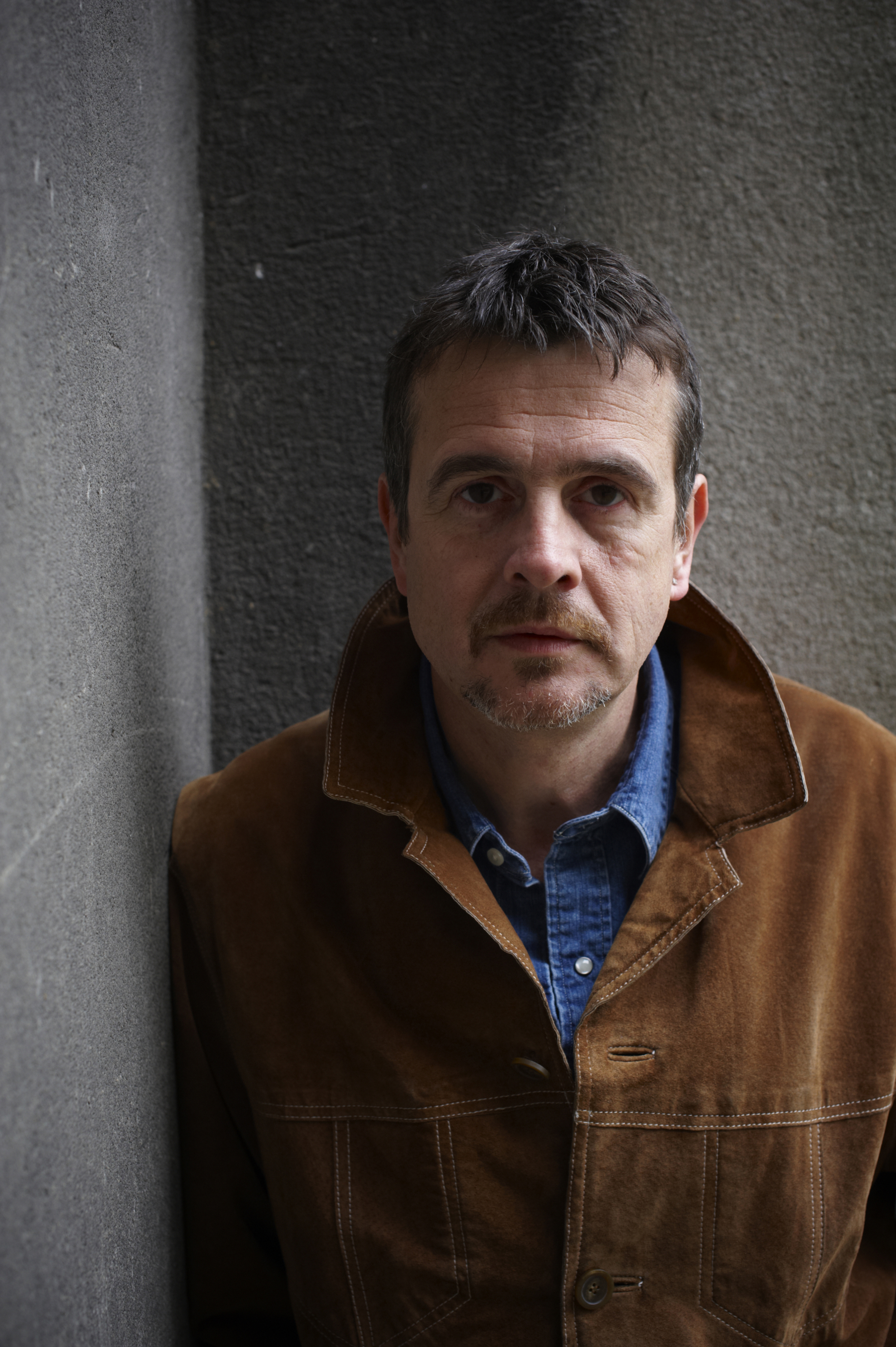
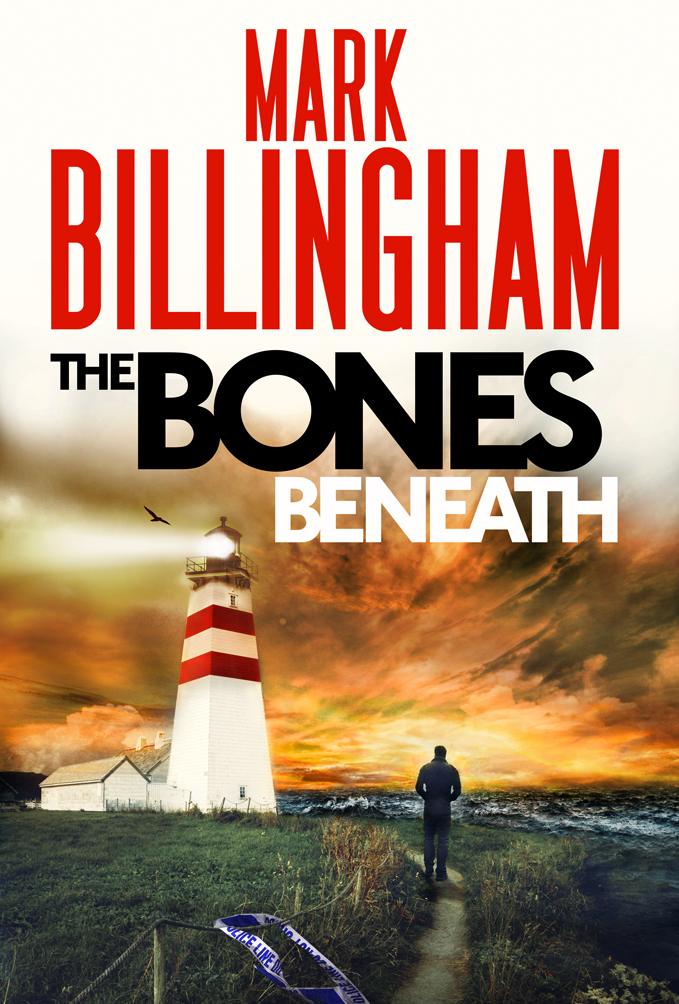
Crime writer Mark Billingham’s latest novel, The Bones Beneath, includes a 40-song playlist intended to soundtrack a road trip that occurs in the book. I spoke to him about his love of country music, Elvis Costello and Morrissey and what makes the perfect pop song…

Mark Billingham: ©Charlie Hopkinson
Mark Billingham: © Charlie Hopkinson

“Country music is perfect for crime fiction – the stories are so dark, but also beautiful and entertaining,” says Mark Billingham, sipping a pint of lager in his favourite North London pub, The Spread Eagle, in Camden.

I’ve lured one of the UK’s top crime writers here to talk about his brand new book, The Bones Beneath, which is the twelfth novel in the bestselling Tom Thorne series – but also to quiz him on his love of music.

And quiz him I will, because he’s no stranger to having his music knowledge tested. In the last few months he’s won TV’s Celebrity Mastermind – his specialist subject was Elvis Costello – and triumphed on the game show Pointless Celebrities. He scored a pointless answer thanks to his knowledge of 1970s Elton John album tracks. But more about that later…

Mark – like his fictional creation Tom Thorne – loves country music, both dark and cheesy, although, as he is quick to point out, he hates Garth Brooks. Their mutual taste in music has manifested itself in a 40-song playlist, which is included in the hardback version of The Bones Beneath – published by Little, Brown on May 22. The list also includes explanations as to why each particular song was chosen.

The Bones Beneath

The Bones Beneath sees Thorne coming up against his old nemesis, serial killer Stuart Nicklin, and is partly set on a remote, windswept Welsh island that harbours some dark secrets. The first section of the book is a long road trip, which involves a six-hour drive, as Mark explains: 

“At one point, early on, the character Holland says to Thorne, ‘what are we going to be listening to?’ They joke about it – Thorne says that he’s got a Hank Williams playlist that will last all the way there. However, ‘stuff ‘ happens and they never get to listen to anything. Thorne would’ve had the playlist ready – obviously – so I just put it in at the end of the book, as a bonus for people who buy the hardback. It gave me a chance to include some of my favourite music and to talk about it.

“There were certain artists that were always going to be on there  – Hank Williams, George Jones, Johnny Cash, Willie Nelson, Merle Haggard, Emmylou Harris and Lucinda Williams – but I also wanted to put a few newer people on it, who maybe Thorne doesn’t listen to yet. So, I had to have some Richmond Fontaine and My Darling Clementine on there.

“The playlist is Thorne’s, it’s not mine, but a lot of those songs would also be in my list of my 40 favourite songs – He Stopped Loving Her Today by George Jones and Galveston by Glen Campbell – but I’d also have God Only Knows by  The Beach Boys and any number of songs by Elvis Costello, The Smiths and The Beatles, who are bands I grew up with. I’m still inordinately fond of every piece of music that meant something to me from the age of 13. The stuff I listen to now tends to be country, but I’ll always have a place in my heart for Slade, Elton John, Bruce Springsteen, Elvis Costello and Morrissey.

“I went from glam rock – I was watching it on Top Of The Pops when I was 12 – to prog. I was probably the world’s biggest Genesis fan…and then I got into punk, although it wasn’t an overnight thing. It wasn’t like I threw away all my Yes albums when the first Clash album came out!

“I went to see Television, supported by Blondie, at the Birmingham Odeon. That was a massive moment for me. From then on, I was into the tail end of punk…by the time punk reached Birmingham [where I grew up], everyone was already into post-punk. When I heard the first Elvis Costello album, I left prog behind, but it wasn’t always easy. I once got beaten up in Birmingham by two blokes and their girlfriends for wearing skinny jeans…”

I’d like to ask you about My Darling Clementine – a contemporary country act that we both love. You first got into them by reading an interview with them on my blog, didn’t you?

Mark Billingham: Yeah – you turned me on to them. They [husband and wife duo Michael Weston King and Lou Dalgleish] are the modern George Jones and Tammy Wynette. They’re a married couple and they’re both fantastic singers and brilliant songwriters. They have an incredible chemistry and they put on a fantastic show. They’re just a kick-ass band – one of the best country acts I’ve ever seen. I’ve put 100,000 Words by My Darling Clementine on the playlist – it was the first song of theirs that I heard. I’ve always been a big fan of country duets.

One of  My Darling Clementine’s big influences is Elvis Costello. Wasn’t it Costello’s 1981 album Almost Blue – a record of country cover versions recorded in Nashville – that first got you into country music?

MB: Exactly – it completely opened my eyes. That album was massively important for me. I was vaguely aware of Johnny Cash and Hank Williams, but when I first heard  Almost Blue, I became a true believer. I bought it because I was a Costello fan, but it completely turned me on to country music and I think I’m right in saying it did the same for Michael and Lou from My Darling Clementine.It’s the reason that the playlist in the book finishes with Why Don’t You Love Me (Like You Used To Do?) which is the first track on Almost Blue.


You’re also a big fan of  The Smiths and Morrissey, aren’t you?

MB: I can remember exactly where I was when I first heard This Charming Man. I had some speakers rigged up in the bathroom of my student flat and I connected them to a radio. I used to listen to John Peel in the bath. It was me that was in the bath, rather than John Peel. I can remember having one foot in the bath and one foot out of it when he played This Charming Man – I thought, ‘what the fuck is this?’ I went out the next morning and bought the first Smiths album. It absolutely changed everything – I adored The Smiths and I always will. I’m still a massive Morrissey fan, though I don’t think I’d want to meet him – I’ve heard a few stories about him…well, it’s all there in his book. The world needs Morrissey – I think he’s unique. He’s as good a lyricist now as he’s ever been. I saw The Smiths at a GLC gig [Jobs For A Change festival – County Hall, London, 1984] and can remember it vividly. They were incredible…

Have great lyricists like Costello and Morrissey influenced you as a writer?

MB: I’ve actually written a short story about Costello and Morrissey, and maybe one day I’ll find a home for it. It’s about them meeting at Heathrow airport on the day that Thatcher dies. They’re trying to get out of the country because they’re being hounded by the press for quotes because they wrote Tramp The Dirt Down [Costello] and Margaret On The Guillotine [Morrissey]. They’re just sitting there in the airport lounge. Actually, I don’t refer to them by name, I just call them The Hat and The Quiff – and they’re having a slightly awkward conversation about anger and notoriety, with Morrissey complaining about the tea…

What is it about crime writers and music? Some of your contemporaries, like Ian Rankin, who writes the Rebus novels, and Peter Robinson, who created Inspector Banks, also fill their books with music references. Music is very important to the central characters in those books, as well as to the authors themselves…

MB: I think it’s a particularly male thing. There was a radio show called Music To Die For a few years back, which was about crime writers and music. Ian Rankin presented it and it featured the likes of me, John Harvey and American writers like George Pelecanos and Michael Connelly. It was really hard to find female crime writers who used music quite so much [as men do] in their books. There’s that kind of slightly tragic, sad, male thing going on. When male crime writers get together, they give each other compilation CDs! We don’t talk about books – we talk about music, almost exclusively. We can sit and talk for hours.

It’s a lot of fun hanging out with crime writers – it’s like being a member of a really cool gang. Somebody once described crime writers as being the smokers of the literary community – ever so slightly on the outside. They’re naughty, but they’re clearly enjoying themselves.

So many crime writers are basically frustrated musicians and the love of music that’s there in their books is not just a gimmick. Ian Rankin does genuinely adore Mogwai and The Rolling Stones and Peter Robinson loves the music he writes about. I’m equally passionate about country music. It’s great, because it means I can get characters to take the piss out of Thorne [for his country music taste]. I get the piss taken out of me too, but I’m not ashamed to say that I also really love the cheesy country stuff, too. He Stopped Loving Her Today by George Jones is consistently voted the best country song of all time and I’m not arguing. It’s got everything – a cheesy choir, a voiceover – Billy Sherrill [producer and arranger] basically threw the kitchen sink at it. It’s a fantastic story, with a brilliant twist. It breaks your heart…


Have you been on Desert Island Discs? 

MB: No, but I’ve been on several shows like it, and strangely, one of the songs I always pick is I Did What I Did For Maria  by  Tony Christie. It’s about someone who is about to be executed for killing the man who raped and murdered his wife. A nice, cheery pop song. It was actually the first single I ever bought – I must have been 12  or something like that. Maybe I liked it because of his voice or the horns, but the truth is it’s a really dark story. It’s weird that it was the first song that I wanted to go out and buy with my own money.

Maybe that’s what started off your interest in crime stories and dark tales….

MB: I’ve always loved story songs, like Ode To Billie Joe by Bobby Gentry. That’s another fantastic story hidden behind a gorgeous melody. I listen to music for pleasure – not necessarily to hear interesting chord progressions. Does the song do something to me?

He Stopped Loving Her Today makes me cry. Honey by Bobby Goldsboro –which is one of the cheesiest songs of all time – makes the hairs on the back of my neck stand on end. I can’t explain it.

Books and films and plays have moved me, but nothing can affect me like the perfect three-minute pop song – like God Only Knows by The Beach Boys. They have the power that some literature or films simply don’t have. Whether it’s Wichita Lineman, I Want You or There Is A Light That Never Goes Out – they’re all twisted love songs and they’re all on my list [of favourite pop songs]. If you can write the perfect pop song… It’s like writing a wonderful short story. I think that a great short story is better than a good novel. If I had the choice of writing an opera that people would still be performing in 100 years’ time, or the greatest pop song ever written, I’d go for the pop song every time.

Would you like to write song lyrics?

MB: Oh god, yes. I’d love to. That’s the dream – Costello phones me up and says, ‘I’ve got this tune, but I can’t write any lyrics for it’.  Like that’s ever going to happen…

Elvis Costello and Mark Billingham (left to right).

You’re a big Nick Lowe fan, aren’t you?

MB: Nick Lowe is awesome – he’s a master class in elegance – a quite brilliant songwriter. Lyrics like, ‘That untouched takeaway, I brought back the other day, has quite a lot to say’ – from his song Lately I’ve Let Things Slide. It’s just perfect.

What new music artists are you into? Have you bought any records by new bands recently?

MB: Well, I tend to wander round Fopp for an hour and just end up coming out with old stuff – some of which I’ve already got on cassette and vinyl. I must have every Costello album in six different versions…

What’s your favourite album of all time?

MB: If you made me pick one now it would probably be Imperial Bedroom by Elvis Costello. If I could only take one album out of a burning house it would be that. I think Costello is the finest singer-songwriter of his generation, bar none.

You like The Beatles, too, don’t you?

MB: I’m a massive Beatles fan. How can you not be? Whenever I meet people who say they hate The Beatles, I want to slap them! Even if you don’t like what they were doing in ’62 or ’63, you’ve got to like Rubber Soul and Revolver! There’s never been another band in history that has progressed quite so much in five years. They were incredible – they turned the world upside down, like no other band has ever done. I’m actually working with someone right now who professes not to like The Beatles at all. He knows who he is!

Are you a Bob Dylan fan?

MB: I’m a Dylan fan, but I’m not a Dylan obsessive. For me, I can do with four or five of his albums – Blonde On Blonde, Blood On The Tracks, Desire.… There are a few other artists who I feel like that about – Tom Waits, Neil Young… Their back catalogues are so huge and too daunting. I’m much more excited about finding a band like My Darling Clementine [who’ve only had two albums out] – I’m in on the ground floor. And in five years’ time, when they’re massive, I can get quite cross about it. Tell people I was there at the beginning…

You’ve recently been showing off your superb music knowledge on the TV shows Celebrity Mastermind and Pointless Celebrities…. You won both of them.

MB: I’ve been a shameless whore. The sad truth is that I just love quizzes. Anything where there’s a buzzer involved, I go mental. On Pointless, it was a magical moment. Up came ‘Elton John albums’ and I leant across to my partner and I said, ‘I’ve got this’. I grew up with those albums and I had them all. I knew every track on them. I like doing music quizzes and I love setting them. If I’m on a long road trip with a friend, we’ll make huge playlists and play beat the intro. I have no life…

Maybe you could have incorporated a music quiz into The Bones Beneath?

MB: Actually, I would have loved to have made the playlist into a CD, but it’s a logistical nightmare. I’ve used song lyrics in my books a couple of times. In my first book, I used a lyric from Costello’s Radio Sweetheart – I had to pay for that. Like Elvis hasn’t had enough of my money over the years! Morrissey let me use lyrics from Bigmouth Strikes Again for free – good old Mozza. But most of the time it’s very tricky, so I try to avoid it where I can

So, what’s next for Mark Billingham?

MB: I’m doing a secret book, but I can’t say very much about it. I’ve written it with three other people – the crime writers Martyn Waites and Stav Sherez and the comedy writer and music journalist David Quantick. It’s a music book and there are some jokes in it. I can’t really say a lot more than that at the moment. I can say that we’ve all had enormous fun writing it…

Are you working on a new Thorne novel?

MB: I’m halfway through a new Thorne book – it will be out a year from now. I’ll finish that in September – hopefully – and it will come out in May 2015.

Do you think certain members of the literary community look down on crime writers?

MB: Well, there’s occasionally that slight element of literary snobbery, but sometimes it goes both ways and I think the lines between the two genres are becoming increasingly blurred. It’s fine by me – I’m very happy to be a crime writer. I don’t have pretensions to be anything else. I’m never going to deny that I’m a crime writer, in the way that some people do, even though their books are full of murder. The ones who claim to feel constrained by the conventions of crime fiction or say that they’re ‘transcending the genre’. We all want to push the boundaries, but it doesn’t need ‘transcending’. If you don’t want to write it, fuck off and do something else. No one’s putting a gun to your head…

Here’s a Mark Billingham inspired Spotify playlist

Mark Billingham’s latest novel, The Bones Beneath, is out on May 22. It’s published by Little, Brown.

http://www.markbillingham.com