‘I like barroom songs and songs about f***ing up and creating chaos – I’ve done my share of that’

Nick Gamer

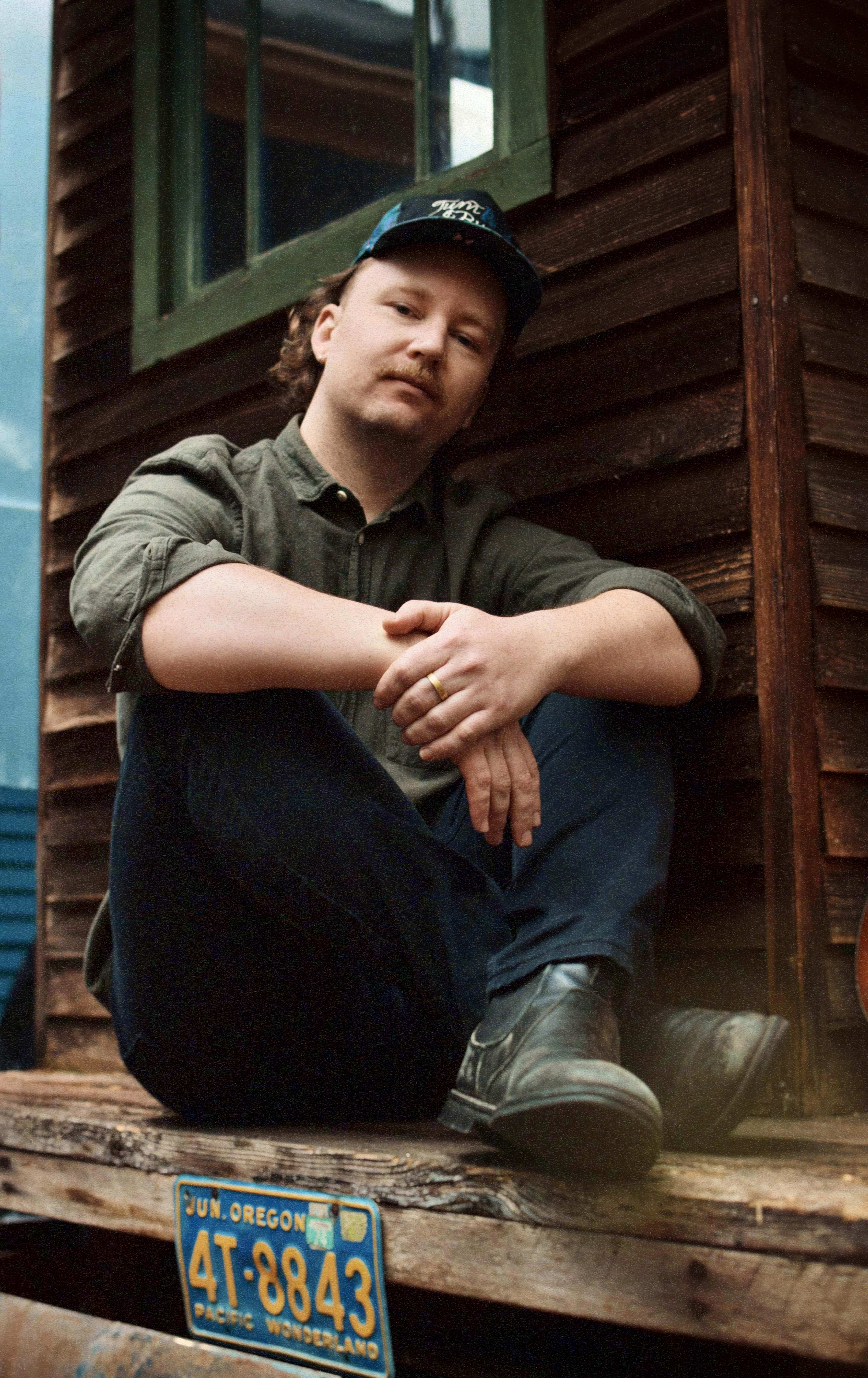
Suburban Cowboy, the debut solo album by Oregon singer-songwriter Nick Gamer, was one of my favourite albums of last year.

It was written during the Covid lockdown of 2020 and the peak of the West Coast’s wildfire season.

Reviewing it for Americana UK last summer, I said: ‘Set in a world of midnight truck stops and neon signs, Suburban Cowboy raises a glass to classic Americana and country, but every so often, Gamer slips in a shot of something extra that gives it a dark edge and keeps it fresh, like on Cenote Saloon, which is spacey, cinematic and psychedelic, with wonderful Lynchian twangy guitar, or the short, vaguely jazzy instrumental, Sidereal.’

‘Suburban Cowboy was one of my favourite albums of last year. It was written during the Covid lockdown of 2020 and the peak of the West Coast’s wildfire season’

I singled out some of the highlights, saying: ‘The ghost of Gram Parsons hangs over the barstool prayer, Midnight Angel, as well as the pedal steel and fiddle-laced trad country of Ballad of the Suburban Cowboy’, described Riverbed as a ‘raw and dark rocker, with thundering, doomy bass’ and said the widescreen Sedona, which is about driving all night through the Arizona desert, had shades of Springsteen and Jason Isbell.

I likened the stripped-down and intimate Any Neon Sign, which starts with the noise of a train, to early Ryan Adams, and said the mid-paced country rocker, Tennessee, had a similar feel, with Gamer, former guitarist for Japanese Breakfast and frontman of Le Rev, singing: ‘We drank our way from Memphis down to New Orleans – got kicked out of every honky tonk in-between.”

On Ballad of the Suburban Cowboy, he sings: “You can find me at a tavern, chasin’ bourbon with beer/ In some strip mall sprawl at the edge of the western frontier…”

But I tracked him down to his home in Eugene, and, in an exclusive chat – only his second interview ever – he told me about writing and recording his debut album, moving on from his chaotic twenties, getting away from where he grew up, the moody sound of Pacific North West country music and the crumbling American dream. 

Q&A

The album was written in 2020, during the Covid lockdown and the wildfire season. How was that?

Nick Gamer: There were six months of being locked down and then the wildfires came – it was sepia sky and a neon sun. It was bizarro – it felt like you were on Mars. The fires came up to just outside of Eugene. It was crazy – an apocalyptic feeling.

I was cooped up. I’ve been playing music in bands for 20 years and my friend was like, ‘Hey – you’ve never put out your own album’… so I took him up on that. I booked a date, with my friend Bryan [Wollen – producer], who’s up in Portland, and it forced me to write some songs.

So, all the songs on the record were new and written for it?

NG: They’re all new songs – I had all of them except for Sedona, Riverbed and Fever Valley Pitch

Those songs stand out because they’re the heavier, poppier or rockier tracks…

NG: Yeah – I thought that the record didn’t have singles. If I had a record label, they would probably have said I needed some three-minute, up-tempo songs, so I kind of had a writing project. The recording was delayed because of Covid – it happened in intervals, so it took a lot longer than we wanted, but those songs came later.

What was the studio like?

NG: Bryan calls his studio Cat/Man-Do – it’s an old office on the edge of Portland. There used to be this old town called Vanport, where all the black Americans lived, working on the docks. It got flooded – all the houses are up on stilts.

Bryan has this bizarre, abandoned office space which he turned into a studio house. It has a big basement and it’s right by the train tracks – you can hear a train on the record. He just stuck a microphone out of the window to get that.

You’ve got some guests on the record, including Bryan on guitar, drums and bass, Rick Pedrosa playing pedal steel, Lauren Hay on vocals, Jimmy “Jazz” Prescott on electric and upright bass, James West on drums and Garrett Brown on bass. Did you all meet up in the studio as a band to make the record?

NG: No. My buddy James, who is kind of like a hip-jop/jazz drummer, pulled in his buddy, Jimmy Prescott – he plays bass in G.Love & Special Sauce. I sent them the tracks. No rehearsal – we just went in the studio and went through all the songs in one day. We got a lot of them – they added a whole other flavour to the songs. The other songs Bryan and I single-tracked – he played drums and I tracked the rhythm guitar. There were a couple of different methods going on.

‘I’d been playing in indie bands, like Japanese Breakfast, but my last band, Le Rev, had a moody, cinematic sound – I love soundtracks’

The record has classic country influences, like Gram Parsons, The Flying Burrito Brothers and Emmylou Harris, but it’s also dark, edgy, cinematic, psychedelic and even slightly jazzy – it sometimes does things you’re not expecting it to. What did you want it to sound like?

NG: I’d been playing in indie bands, like Japanese Breakfast, but my last band, Le Rev, had a moody, cinematic sound – I love soundtracks. Growing up, I liked Eternal Sunshine… the John Brion stuff, so it was a combination of that and getting back to songwriting. I’d always wanted to write a more country album, so it just kind of came out like that – it’s me trying to write country.

Are you a big Gram Parsons fan?

NG: I didn’t get into country music until I was of drinking age – Bryan got me into it and and we had a country covers band that we played in bars with. It was like Sweetheart of the Rodeo – that album was the bridge. I think it was for a lot of people – then Gram Parsons. I got heavily into him and that led into everything else, like George Jones and all the rest of  ’em.

The album often has a barroom feel. On Pale Horse, you’re “roaming the streets, after the bars close, with no place to go…”

NG: A lot of the songs I like just happen to be barroom songs and songs about fucking up and creating chaos. I’ve done my share of that. The songs all come from an honest place.

‘A lot of the record is looking back on my chaotic twenties – that was wild and I’m moving forward from there’

I turned 30, then Covid happened and the next thing you know I’m in my mid-thirties… What the hell happened? A lot of the record is looking back on my chaotic twenties – that was wild and I’m moving forward from there.
Did you grow up in Eugene?

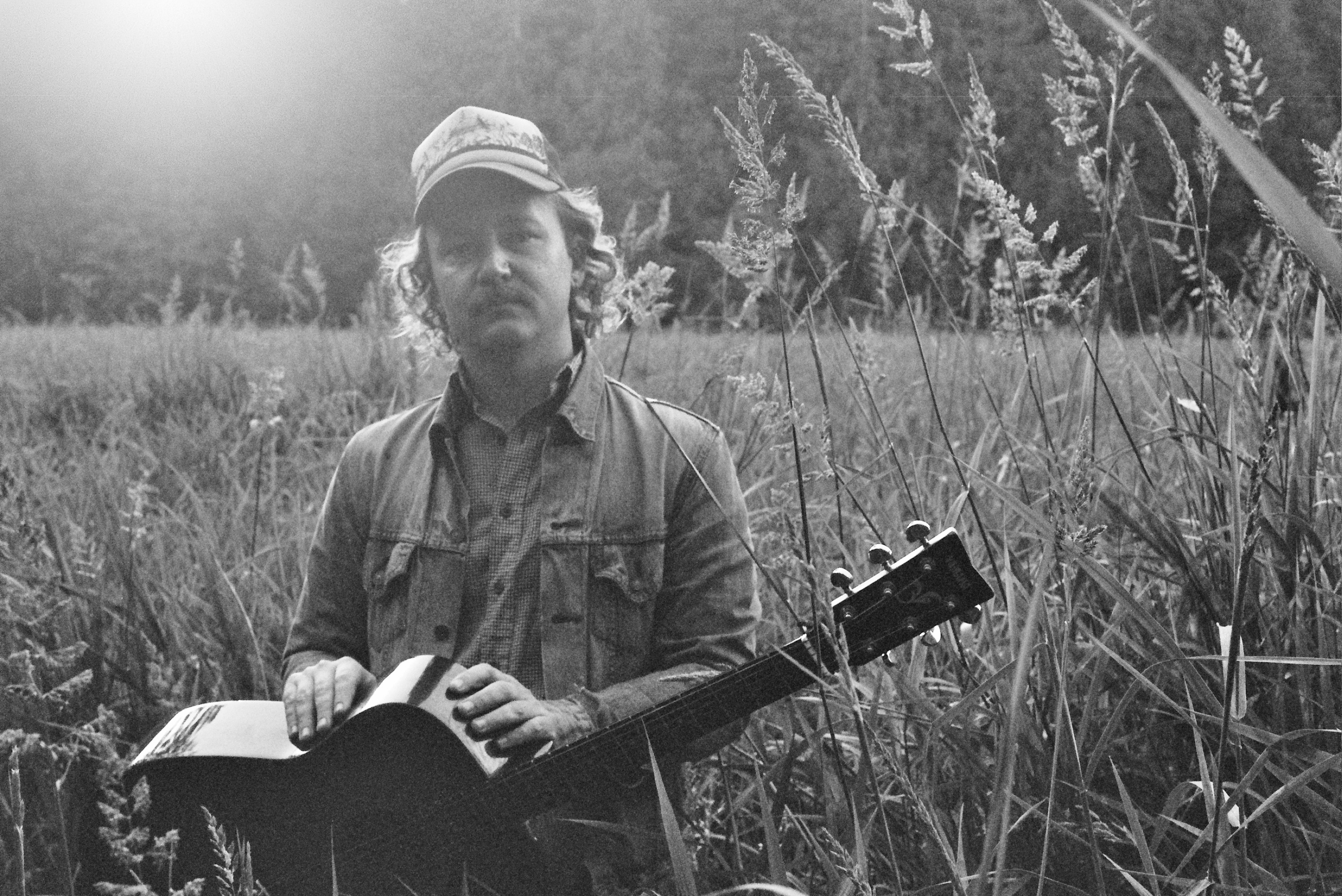
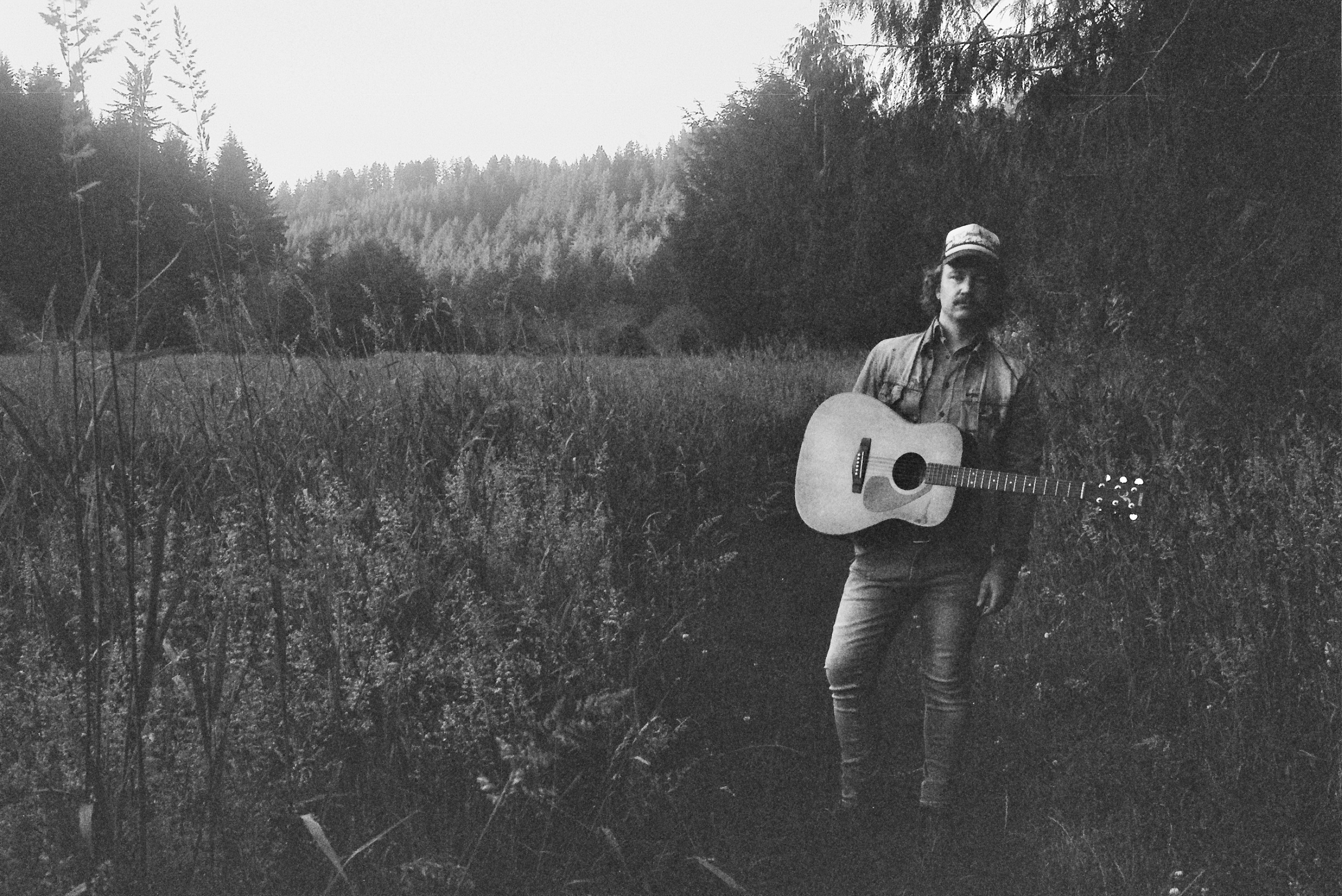
NG: I was born in Long Beach, California – we moved to Portland pretty soon after that. I grew up in Portland then we moved to Eugene when I was in grade school. As soon as I turned 18, I went back to Portland and pretty much played in bands for ten years.

I like to think of the sound of the record as Pacific North West country – it’s so moody out here and a lot of the bands that come from here have that darker edge.

Your song Sedona is about driving through the desert at night  it reminds me of Springsteen and Jason Isbell. It has a widescreen rock sound… 

NG: I was going for that purposefully. I wanted to write something that was simple and relatable – I don’t often try to write something that’s a little bit more poppy.

It’s a song about being stuck in the same place and trying to get away. I still live in the place I grew up, pretty much. It’s about picking a random spot on the map and just getting out – I feel the need to do that probably once a week.

That’s one of the themes of the album escaping from a small town…

NG: Yeah. It’s part of the concept it’s a bastardisation of Urban Cowboy. Thirty five to 40 years after Urban Cowboy, instead of all these oil workers dressing up as cowboys, there are people who work in minimum wage jobs in restaurants and are getting into country music, but they can’t afford to put a downpayment on a house in their own town because everything’s so expensive, with inflation and all that shit. It’s the crumbling American dream.
Any plans for a follow-up record? 

NG: I have another record that I’ve started recording in the same spot – Bryan’s studio.It’s going to be single-tracked – eight songs. It’s called Oregoner – it’s all Oregon-themed. It’s Americana / country stuff and it’s a compatible album with Suburban Cowboy.

When I wrote Suburban Cowboy, I didn’t have any parameters in mind – I just wrote. This has a little bit more structure and I’ve been sitting on the songs a lot longer.

Will Oregoner come out this year?

NG: Absolutely. I’m hoping to record a couple of albums and put at least one out. 

‘I have another record that I’ve started recording. It’s called Oregoner – it’s all Oregon-themed’

Are you a prolific songwriter?

NG: I try to write every day. It’s so easy to put an album out now, but you want people to get as much out of them as they can. I like to do a couple of tours, send an album out and see what happens, but you don’t want to do that too much, because if you get too caught up in it, you stop writing music. 
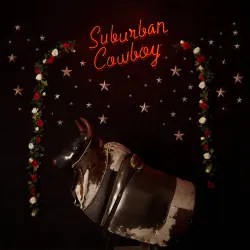
Suburban Cowboy by Nick Gamer is out now (Professional Guest Records).

Sice to see you…

This year is going to be a busy one for Simon ‘Sice’ Rowbottom, frontman/guitarist with ’90s indie-pop experimentalists, The Boo Radleys, who were signed to Alan McGee’s Creation Records, split in 1999, but reformed in 2021, albeit without chief songwriter, Martin Carr.

Following last year’s comeback album, Keep On With Falling, which Sice recorded with fellow band members, Tim Brown (bass) and Rob Cieka (drums), the Boos are back with a follow up, Eight – out in June – and in the summer will be touring the UK playing their 1993 masterpiece, Giant Steps, which turns 30 this year and is being reissued in the autumn.

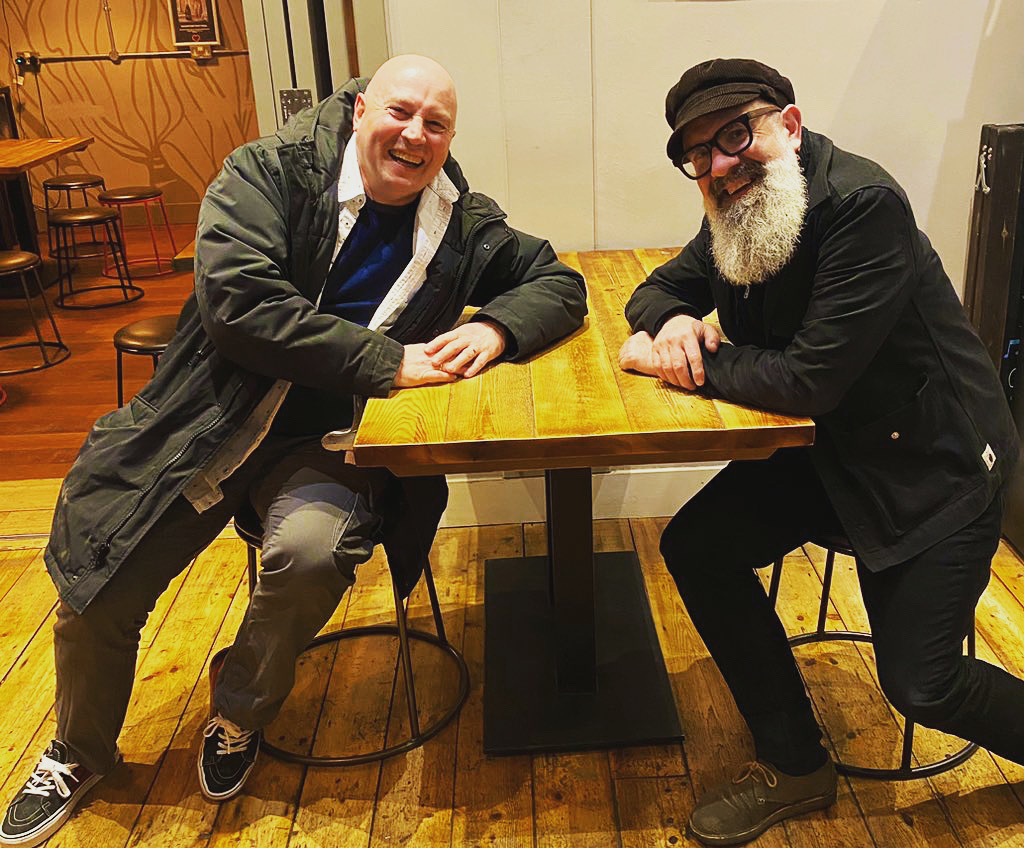
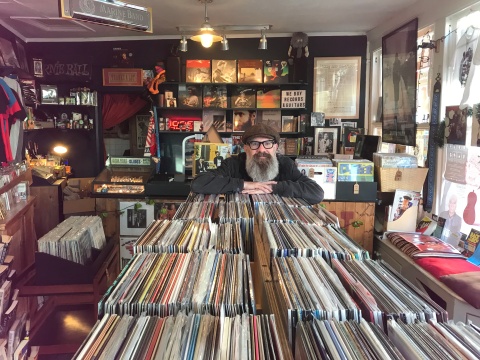
Sice and Say It With Garage Flowers founder/editor, Sean Hannam – thanks to the Mad Squirrel in Amersham for the picture.

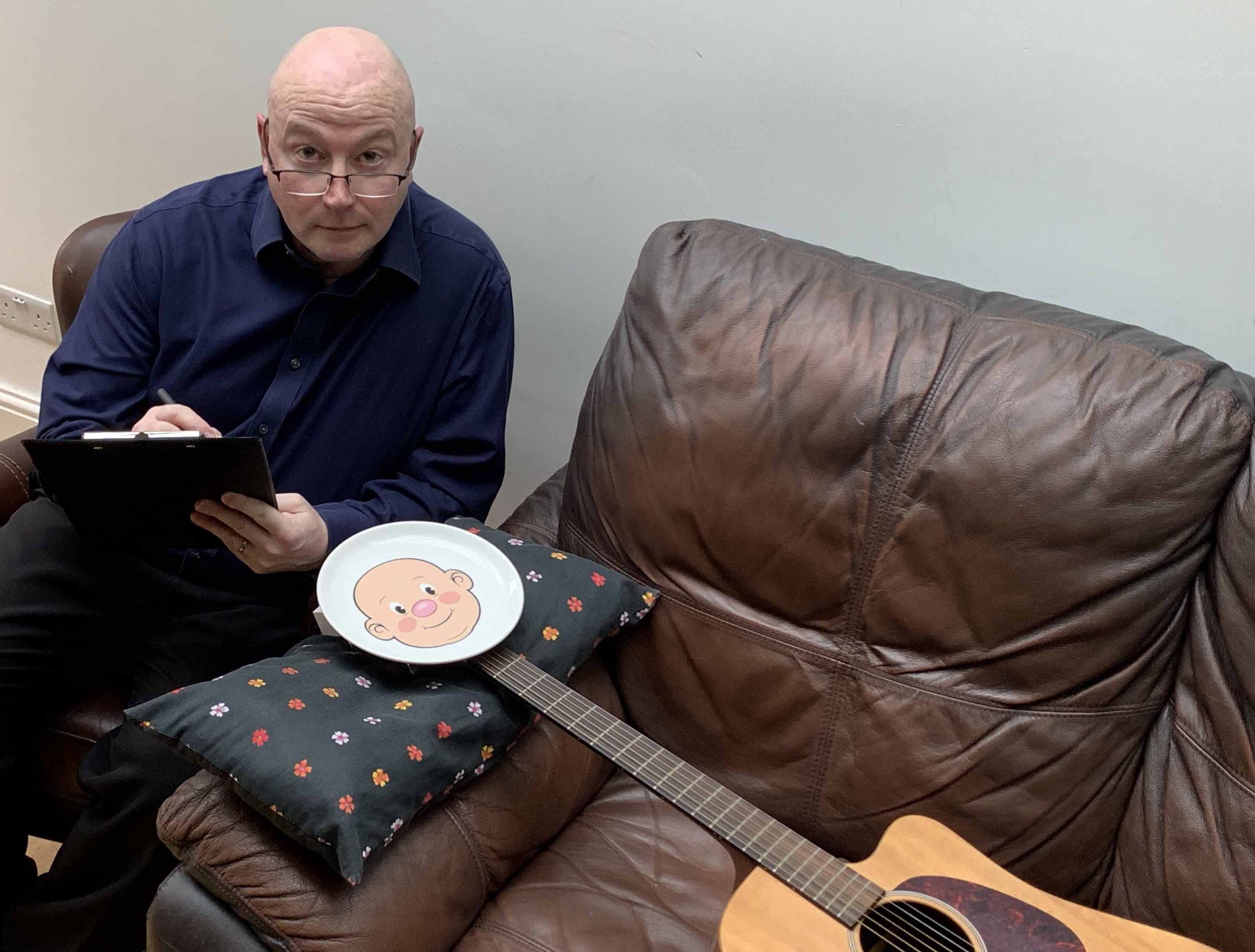
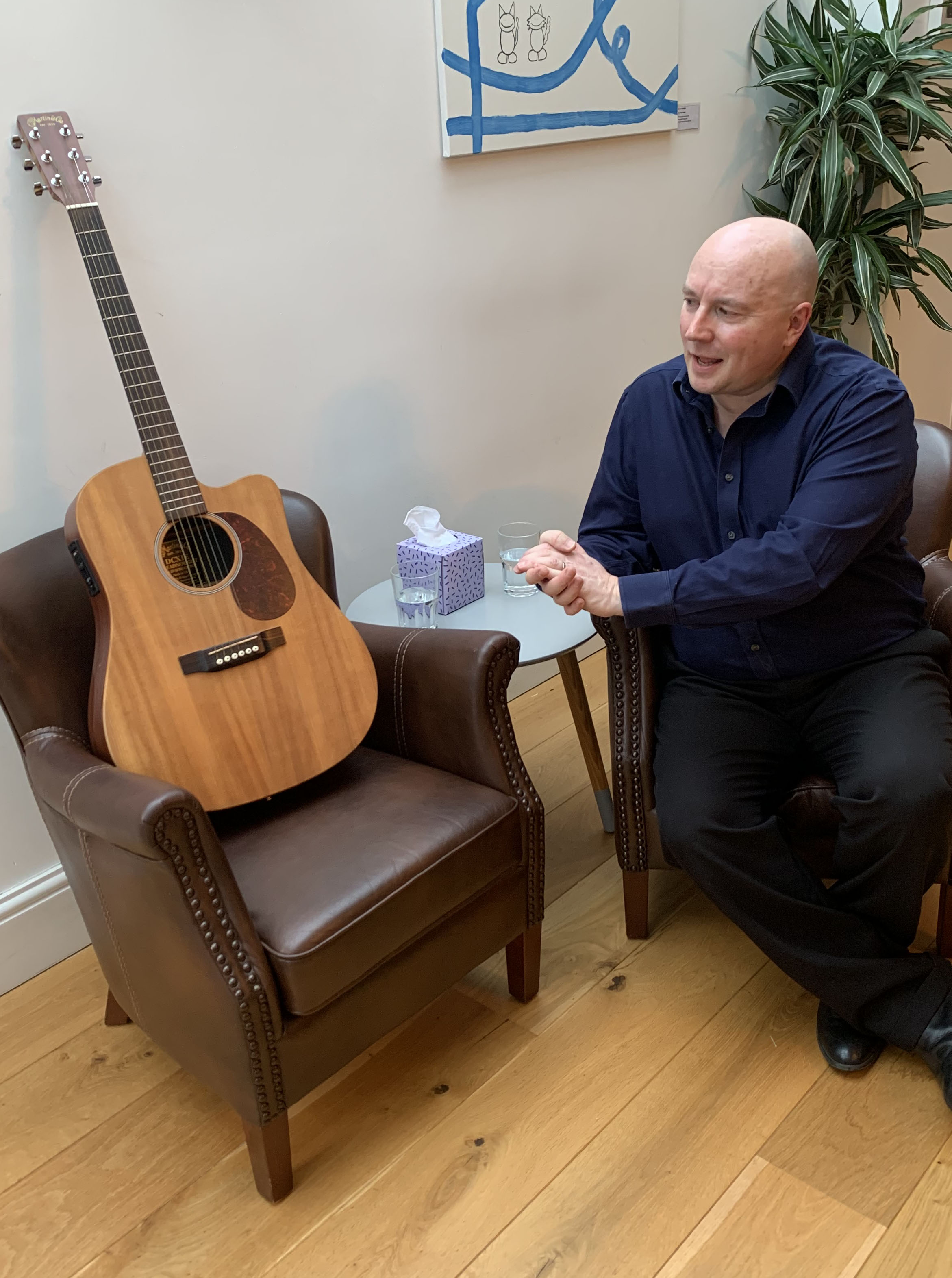
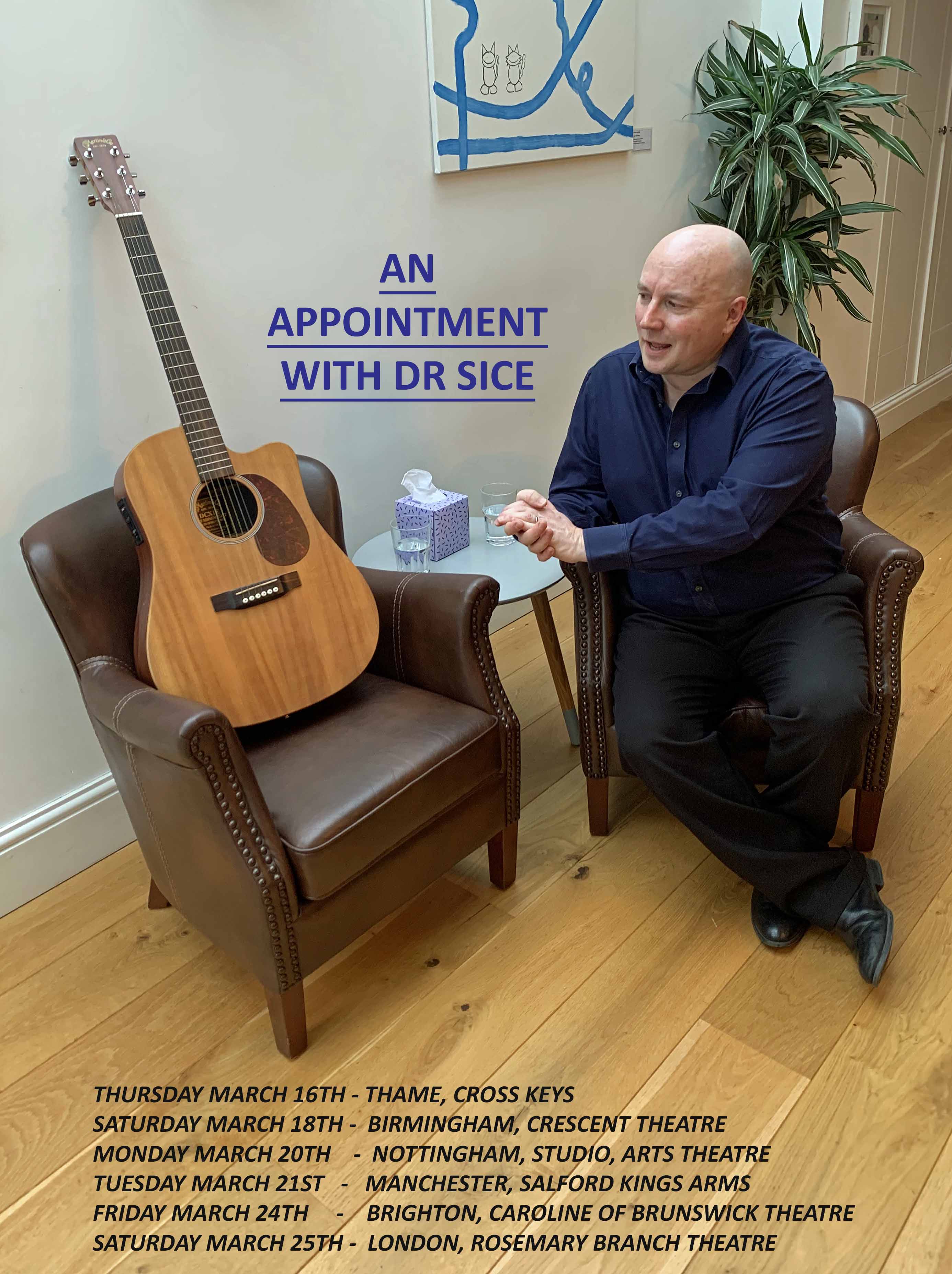
But, before all that, Sice, who is a chartered psychologist, is performing a series of solo shows in March under the banner An Appointment With Dr Sice, in which he’ll play songs from all eight of the Boos’ albums, plus his two records as Eggman and Paperlung, talk about his life and career and share some of his thoughts on psychology.

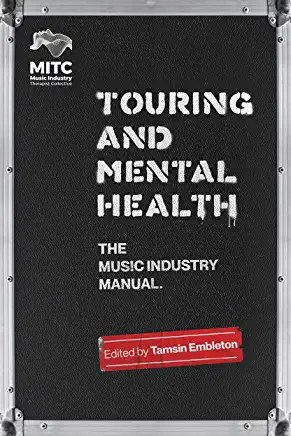
The solo tour is partly to promote a new book he has been involved with, Touring and Mental Health: The Music Industry Manual, which is published next month by Omnibus Press.

Written by health and performance professionals, the comprehensive manual will help musicians and those working in live music to identify and cope with the various physical and psychological difficulties that can occur during, or as a result of, touring.

Designed to be picked up, put down, read at length and passed around the tour bus, the book covers topics including mental health, peak performance and performance anxiety, addiction, group dynamics, relationship problems, dealing with the media, physical health, diversity and inclusion, crisis management and post-tour recovery.

To find out more about his hectic 2023, Say It With Garage Flowers spoke to Sice in an exclusive interview, which we did in a pub in the Buckinghamshire town of Amersham, near to where he lives and where Say It With Garage Flowers is based.

“I’m just about keeping on top of it and I enjoy it all,” he tells us. “It’s what keeps me motivated – I like the variety and the diversity.”

Q&A

How has the solo tour and the mental health book come about?

Sice: I’m involved with the Music Industry Therapist Collective – (MITC) we’re all therapists who’ve worked in the music industry in some capacity or other. It was started by Tamsin Embleton – she got in touch with me a couple of years ago. The big thing that she’s been building up to is the Touring and Mental Health Music Industry Manual, which is a really important book – it’s massively comprehensive. I’ve been interviewed for it.

As I’ve got older, one of the things I’ve really enjoyed on stage is talking to the audience – I never used to do it back in the ‘90s. Suddenly there’s a lot I want to say. I was also kind of inspired a bit by [former Lush member] Miki Berenyi’s book [Fingers Crossed], which is absolutely brilliant. She’s a very good writer. I wanted to do something along the same lines but I didn’t want to go down the memoir route.

You’ve written a book already, Thimblerigger, which was a novel…

Sice: Yeah – it was fiction.

But it does have elements of psychology in it…

Sice: Absolutely.

So, you’ve never fancied writing an autobiography?

Sice: No. It’s crossed my mind, but that’s what An Appointment With Dr Sice is really – in a lot of respects, it’s autobiographical.

When the new Boos album comes out, it will be the tenth album I’ve made, including my solo stuff – Eggman and Paperlung. I want to do a song from every album chronologically – we’re talking 35 years.

Have you always been interested in psychology?

Sice: Yeah – it was always an area of fascination. I had a place at the University of Liverpool to study psychology back in 1990, just before The Boos started, but we got a Wedding Present support for six weeks, so I dropped out and got on with the music. It’s turned out alright and as my kids got older, in about 2007, I really didn’t know what to do with myself. Then, because I was feeling a bit lost, I went to therapy for the first time.

When the Boos made it big and got a Top 10 pop hit with Wake Up Boo! in 1995, you were 25. Was it hard for you to deal with the fame?

Sice: Oh God, yeah. I hated fame.

But, in the early days, didn’t you and Martin dream of being pop stars?

Sice: We did – we wanted it but when we got it, we didn’t enjoy it. It’s like when you see a photo shoot – you think it looks great and that the photographer just walks past you and takes a snap, but then you realise you’re spending two and a half hours in a freezing cold warehouse in the East End of London. It isn’t that much fun and I just realised that there was stuff I’d rather be doing with my time. It was great to do it the first time, but I didn’t want to continue doing it.

‘I hated fame. We wanted it but when we got it, we didn’t enjoy it’

Do you think a book like the Touring and Mental Health Music Industry Manual would’ve been useful for you back in the day? I guess the Boos couldn’t take a therapist on the road, as Creation’s budget didn’t stretch to that…

Sice: [Laughs]. It didn’t. Now, it’s OK for young people in the music industry to talk about mental health – that’s why it’s brilliant that the MITC has been set up. That’s what we deal with – people who come into the music industry and recognise that it’s difficult.

And now we have social media, which puts even more pressure on people…

Sice: There are lots of reasons. Everybody on Twitter can be aiming at you and saying stuff – it’s very difficult, but, that said, it’s also easier in a way, because it’s easier to communicate, with mobile phones. When we went away on tour, we were quite isolated.

When we were touring America, it was a fucking nightmare to phone home and it was really expensive, and when we were in Europe, it was the era of phone cards – you had to find somewhere that sold them.

Did you enjoy touring?

Sice: When I read Miki’s book, she said one thing that I’ve been saying for years – ‘I wish I had a door in my front room that allowed me to step onto the stage, play the gig and come back’. That’s exactly it. Being on stage is everything it’s about and I love the creativity bits – the recording and the singing. I love being on stage – everything else I can take it or leave it. Well, leave it, really.

Touring can be gruelling…

Sice: The gruelling nature of it is difficult. Part of the problem is that you start off with good intentions, like reading books, then something happens and you end up blankly staring out of the window for three or four hours. It just becomes unnatural. One of the things that I’m always interested in in psychology is what’s natural to us as humans – us as homo sapiens, who are 250,000 years old. The way that we live our lives now – musicians especially – is so unnatural to us. All we’re made for is three or four hours of hunter-gathering and the rest of the time sitting round the campfire.

So, what can we expect from An Appointment With Dr Sice? A few stories, some songs…

Sice: Yeah – basically that, but I’m also going to thread  some psychology through it. It’s a tale of where I came from, what I went through with the Boos – a few anecdotes – and then segueing into psychology. I guess it’s about what I consider to be important in psychology. The show will be about two hours – with an interval. It’s essentially a kind of theatre show – it builds and there’s a kind of narrative.

There are lots of threads – Catholicism, family and psychology. How our contextual influences and our experiences influence what we do. And there’s some stuff about male mental health. People say ‘men should talk more’ but men don’t know how. We don’t know what to say, we need to be given permission and we need to be taught about how to talk about emotions or name them. Nobody teaches us it – it’s believed to be inherent, but it isn’t. That’s what I’m doing – but it’s hopefully going to be fun too.

And there are some pop tunes, too… Will you be playing Wake Up Boo!?

Sice: Do you know what? I haven’t decided yet. I’ve got to do one off the Wake Up! album.

You don’t like that record, do you?

Sice: It’s not that I dislike it, but it’s the one I wouldn’t choose to listen to. We set out to write a 12-song pop album, but I don’t think it does that. There are two or three tracks that maybe do…but for it to work, it needed to be a 12-song pop album. It’s okay in its own right, but the second side is really quite melancholy and odd. It never really fitted together in the way in which Giant Steps, C’mon Kids and Kingsize did.

Let’s talk about the new Boos album, Eight. When we last spoke, in November 2021, ahead of the release of the last record, Keep On With Falling, which was released in March last year, you said you were more excited about the follow up, which was already written, and that you were already halfway through writing the album after that.

So, Eight’s coming out in June – you’ve already released the first single, Seeker, and the next song from it is called The Unconscious

Sice: The Unconscious is a story about my psychoanalysis – it details that. I did full-on psychoanalysis for two years when I was in training. It was interesting, but not a great experience. It was very messy. It’s not the sort of counselling where you’re sitting and chatting – it’s almost like you’re talking into the ether and someone’s whispering in your ear. You’re on the couch and they’re sat behind you – you’re trying to iron out what comes up from the unconscious to be spoken about and they interpret it. It was a bit weird and cult-like – it brings up lots of fears and early childhood stuff that’s slightly out of memory. I would be driving home from it sometimes and I’d burst into tears but have no idea why. It’s powerful, but it’s hard work.

That’s heavy, but you got a song out of it…

Sice: Every cloud…

Seeker is a brassy pop song and it’s about love – finding someone who can be with you and support you…

Sice: Totally.

‘I did full-on psychoanalysis for two years. It was very messy – a bit weird and cult-like’

Last year’s comeback single, A Full Syringe and Memories of You, was about euthanasia, so this one’s much lighter…

Sice: [Laughs] It’s bright and breezy. Lyrically, it’s Tim’s.

So, you’ve both written songs for this album?

Sice: It’s pretty much 50:50, but there are 13 songs on it, so there’s one extra of mine. Lyrically, Tim’s songs are about relationships whereas I tend to write about the self – the individual.

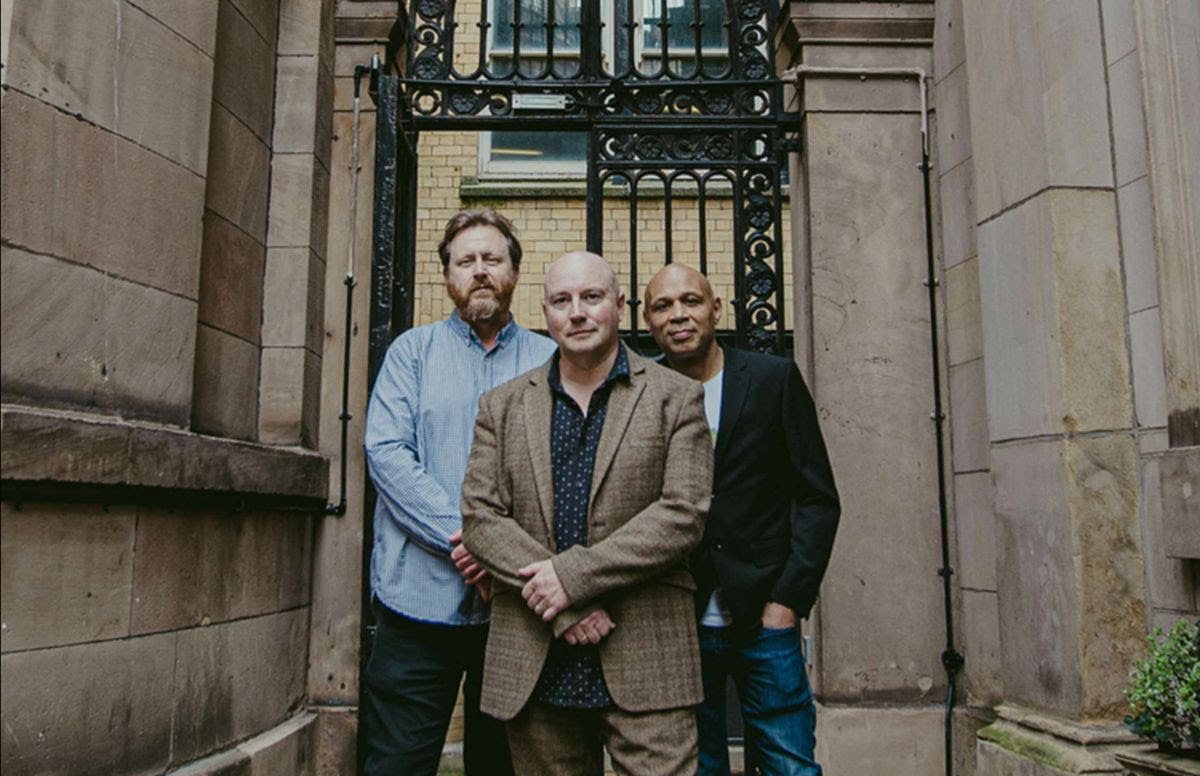
The Boo Radleys in 2023 – Left to right: Tim Brown, Simon ‘Sice’ Rowbottom and Rob Cieka.

Does Rob write?

Sice: We’re trying to encourage him to – he does pitch in with ideas. He has written a set of lyrics and I’ve written something to go along with them, so that will probably appear. We’ve decided we’re going to shove out everything we’ve got and for the next album start again by being in the same room – we’ve never ever done that.

So, what does Eight sound like? The album before was pretty pop, so is the new one more left-field?

Sice: I think it is. There’s a lot more electronica on there and we’ve embraced the trumpet again a lot more. But we are still quite poppy. I was thinking about this – what’s the difference with the writing and with Martin not being here? I think it’s clean versus dirty – me and Tim prefer clean. We’ve always liked a bit of cleanliness about stuff, whereas Martin was always about the dirtiness and the griminess.

‘There’s a lot more electronica on the new album and we’ve embraced the trumpet again’

This year, Giant Steps, turns 30. How do you feel about that?

Sice: It seems bizarre – I can remember that with Martin we did a mini-website for the 10-year anniversary and that didn’t seem like long ago…

So, Giant Steps is being reissued later this year?

Sice: Yeah there’s a vinyl reissue.

What are your memories of making the album? The band self-produced it at Protocol Studios in Holloway Road, London, and it was a conscious decision to move away from the shoegaze sound of your earlier records, wasn’t it?

Sice: Yeah – totally. My memories of making it are really good. It was an enjoyable process. It’s really strange – looking back, we didn’t really realise how precarious our position with Creation was. We assumed everything was going to be okay – we were always fairly optimistic, so we didn’t know that the pressure was on for us to have a successful record.

‘When we were recording Giant Steps, we could do what we wanted – we had a sense of freedom and the choice of not having a producer was because it allowed us to do bonkers things’

The strange thing with Creation was we thought that we were joining the label of The Jesus and Mary Chain, My Bloody Valentine – completely underground bands – and then it shifted. I think Ride probably started it, when they started to get Top 10 singles – that was the expectation for every other band on the label.

When we were recording Giant Steps, we could do what we wanted – we had a sense of freedom and the choice of not having a producer was because it allowed us to do bonkers things.

Alan McGee wasn’t a big fan of Giant Steps, was he? 

Sice: McGee didn’t understand us  – he never got us as a band. I think we were too complex for him. He disappeared not long after Wake Up! came out  – he was shocked by the success of Giant Steps

So, this summer you’re doing some 30th anniversary live shows for the reissue of Giant Steps. Will you be playing the whole record?

Sice: Yeah – we’re going to do it all but there will be certain songs that we’ll put together in a bit of a medley. We’re going to be doing two sets – one will be a ‘greatest hits’ – so there’s a lot of work… 

Are you looking forward to it?

Sice: It’s going to be brilliant. There are people who discovered it after we split up, so they get the opportunity to see us do it live. I’m really looking forward to it.

‘McGee didn’t understand us  – he never got us. I think we were too complex for him. He was shocked by the success of Giant Steps’

Giant Steps is a classic ’90s album, isn’t it?

Sice: It stands the test of time. There’s a huge sense of originality about it. It’s all the influences that we had from an early age – The Byrds, jazz, The Beatles, The Beach Boys… Before that, we were influenced by what was around then – My Bloody Valentine, Dinosaur Jr., Spacemen 3, all those bands. With Giant Steps, it was, ‘Do you know what? We love all these ’60s bands and other stuff…’

Do you think it’s your masterpiece?

Sice: I prefer C’mon Kids – I think it’s that cleanliness and that it’s sticking up for the underdog. I think C’mon Kids is just as good an album – songs like Four Saints are very good and really intelligent…

Was C’mon Kids a deliberate reaction against the album before, which was Wake Up!?

Sice: It was seen as that but it’s so weird that anyone would think we would do that. It was a reaction only in the sense that we didn’t want to do the same thing again.

And you never did. Kingsize is a very different album to C’mon Kids. I think Kingsize is an underrated album.

Sice: It is. I’ve always said Kingsize was Tim’s record. He was the only one with any enthusiasm at that point, which was a shame. Looking back, what we should’ve done is what bands do now – take a break.

What’s your favourite song on Giant Steps?

Sice: That’s a good question. I really like Best Lose The Fear and The White Noise Revisited and Lazarus is special – it always will be.

So, 2023 is going to a busy year for you – there’s the solo tour, the Boos, the day job and MITC…

Sice: I’m madly busy. I’ve got my finger in four pies. I’m just about keeping on top of it and I enjoy it all. It’s what keeps me motivated – I like the variety and the diversity.

Final question. On I’ve Lost The Reason, from Giant Steps, you sing: ‘I’m only 23my hair is thin, my size is large, what have I done to me?’  How will you feel singing that as a 53-year-old man?

Sice: I don’t know… It’s really weird because that’s the one song that I didn’t want to do, ‘cos I know it’s a very personal song to Martin. It was always weird singing that song but we’ll do it out of completeness. For a lot of people, that’s one of their favourites.

Tour dates for An Appointment With Doctor Sice:

Eight, the new album by The Boo Radleys, will be released on June 9 (Boostr)

You can preorder it here.

A remastered Giant Steps will be released on September 1 – vinyl, CD and digital.

The first Giant Steps Tour 2023 dates are as follows:

  • Tue June 13 – Reading, South Street Arts Centre
  • Wed June 14 – London, The Garage
  • Thu June 15 – Tunbridge Wells, The Forum
  • Fri June 16 – Birkenhead, Future Yard
  • Thu June 22 – Dublin, The Grand Social
  • Fri  June 23 – Belfast, The Limelight
  • Sun June 25 – Glasgow, Hug and Pint

Other dates

  • Sat October 28 – Manchester, Bread Shed w/Cud
  • Sun October 29 – Liverpool, O2 Academy 2 w/Cud
  • Mon October 30 – Sheffield, O2 Academy 2 w/Cud
  • Tue October 31 – Birmingham, O2 Institute 2 w/Cud
  • Thu  November 2 – Bristol, The Fleece w/Cud
  • Fri November 3 – Oxford, O2 Academy 2 w/Cud
  • Sat  November 4 – London, O2 Academy Islington w/Cud

www.thebooradleys.com
twitter.com/theboo_radleys
facebook.com/booradleysofficial
instagram.com/booradleysofficial

Touring and Mental Health: The Music Industry Manual, is published on March 24 by Omnibus Press.