
Is there a doctor in the house? There is, actually – it’s Dr. Robert from pop-soulsters The Blow Monkeys, but, this time around, he’s here to tell us about his latest project, masterminding the loose, musical collective that’s Monks Road Social, who’ve made two of the most diverse and richly rewarding albums of 2019…
Down The Willows and Out Of Bounds, the two albums released this year by the Monks Road Social collective, headed up by Blow Monkeys frontman Dr. Robert, have been on the Say It With Garage Flowers office hi-fi a hell of a lot over the past few weeks.
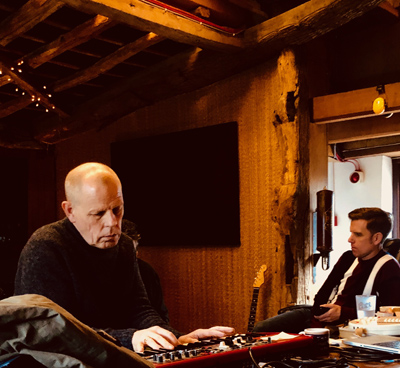
Recorded over two 10-day sessions in the residential Monnow Valley Studio in Monmouth, Wales, the records are two of the most eclectic collections of songs we’ve ever heard – from jazzy comedown ballads to Balearic beats, to soul, psych-rock, folk, drum and bass, country, blues, indie-rock and funk, they’re a melting pot of musical ideas and feature a seriously impressive line-up of guests.
Over the two albums, Dr. Robert’s collaborators include – wait for it, take a deep breath… singer-songwriter Kathryn Williams; Matt Deighton, guitarist and frontman of ‘90s acid-jazz outfit Mother Earth, who’s played with Paul Weller and Oasis; keyboardist Mick Talbot of The Style Council; drummer Steve White (The Style Council and Paul Weller); UK blues singer Angelina; Dick Taylor of ‘60s rockers The Pretty Things; Northern Irish artist Pat Dam Smyth; Brand New Heavies vocalist Sulene Fleming; London-based singer Samantha Whates; Midlands mod-soul band Stone Foundation; Mancunian crooner Nev Cottee; orchestral arranger Ben Trigg (Richard Ashcroft and Dexys Midnight Runners) and percussionist and programmer Steve Sidelnyk – to name but a few…
Dr. Robert oversaw the production of the albums and was also responsible for writing – and co-writing – many of the tracks, some of which are new versions of songs that have appeared on his solo albums, while others were penned especially for the project, or brought to the table by those involved.
Say It With Garage Flowers got an appointment with Dr. Robert, who lives in Spain, and asked him to tell us the inside story of the Monks Road Social sessions…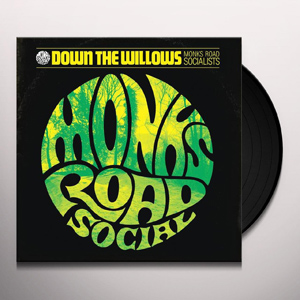
Q&A
How did the Monks Road Social project come about? Was it your idea?
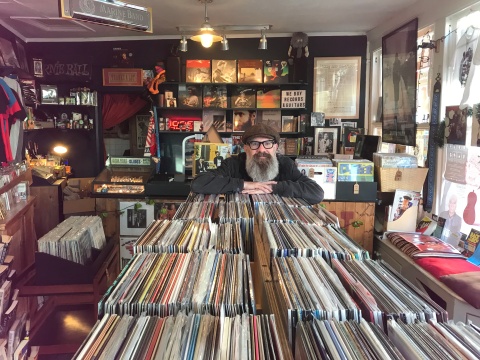
Dr. Robert: It’s the brainchild of Richard Clarke, the owner of Monks Road Records. I am but a humble midwife. He asked me if I thought it would work. I said ‘no’, but, then, as usual, I slept on it and changed my mind.
I wasn’t sure what ‘it’ was, but, as we began to assemble the players, something else kicked in and we were drawn together by intrigue and a mutual love of playing music for its own sake. That bit was important – there has to be joy and a spark – the gold dust is in the groove…
Both of the albums are very eclectic – there’s folk, soul, blues-rock, psych, Balearic beats, pop, drum and bass… Was the idea to put everything into a melting pot and see what came out, or did you have a definite plan?
DR: No plan. Just let the music lead you. You can’t go wrong, as long as the intention is right. Music for its own sake – then let the universe decide.
Crispin Taylor [assistant producer and drummer – Galliano] plays a vital role in all this, too. He lays down a phenomenal groove, which is a great place to start, but he’s also more than that. I’m always bouncing ideas to and fro with him – he has great instincts.
You’ve worked with a lot of musicians on the project. How did you choose who to collaborate with?
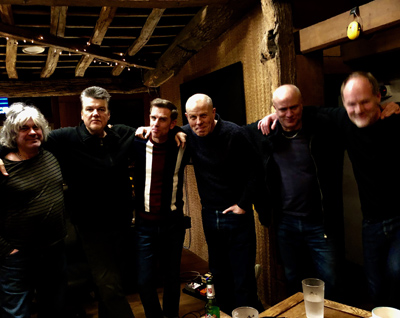
DR: I had a core of friends in mind that I knew would work – people I knew I could get first takes from and who were prepared to wade in a little deeper than was comfortable: Crispin, Mick Talbot, Ernie McKone [bass player – Galliano] and Jacko Peake [saxophonist].
Steve Sidelnyk used to play with The Blow Monkeys, before going on to bigger things, and then there was the masterful Steve White, who I’ve known and worked with many times over the years, and the fabulous Matt Deighton, who I barely knew, but became great friends with.
They are all friends and brilliant musicians. And then I got to meet and work with so much exciting new talent, which I love the most. It shouldn’t work, but it does, as long as everyone buys into the collective idea and lets the music lead them.
How were the recording sessions for both of the albums?
DR: We recorded both albums in separate 10-day sessions in Monnow Valley Studios, down in Monmouth. They were pretty intense sessions, but since my only vice these days is coffee, I was up for it!
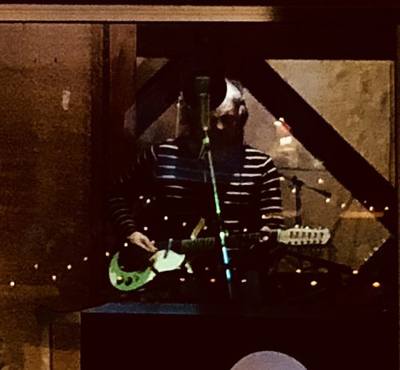
There was lots of laughter. Matt Deighton, in particular, is a hoot, and Mick Talbot is a master of the understatement and a fount of knowledge. My main concern was to keep things flowing – there were so many songs and artists in such a short period.
I did quite a bit of preparation beforehand, because I knew it would be crazy, and, if I didn’t have a plan, it could have all gone a bit Pete Tong…
‘They were pretty intense sessions, but since my only vice these days is coffee, I was up for it!’
There’s a mixture of new versions of old songs, including some written by you, as well as brand new material. How did you choose which songs made the final cut?
DR: Well, if I’m honest, one of the things that initially attracted me was the idea of having different singers try my songs, as well as other people’s.
I would talk through the selection with Richard and in the end it was about instinct. Matt brought some great material to the sessions and then people like Pat Dam Smyth and Angelina have their own distinctive writing styles.
Miles Copeland from [record label] Wonderfulsound got involved too, with his unique perspective and his trusty Omnichord.
Is it strange effectively masterminding new versions of your songs and having them reinvented and reinterpreted? Do you enjoy it?
DR: I love it. I always thought Stone Foundation would be perfect for The Coming Of Grace and it was a thrill to hear a song like This Is Nowhere come to life with the beautiful voice of Samantha Whates. It’s the same with Sycamore Tree – Angelina was born to sing that song!
As for OK! Have It Your Way, Sulene Fleming tore it up! Like some lost Northern Soul classic. She also did an amazing job on Bottomless Pit, which takes a certain sensitivity to sing. She has such a range.
Also, I’ve got to mention Kathryn Williams, who popped in for a couple of days. She’s such a genuine person and a great songwriter. It was lovely to sing with her on I Ain’t Running Anymore.
Do you have some favourite songs from the project?
DR: I was knocked out by the version of Lost In Rasa we did. Ben Trigg, who does the strings, is a genius and Matt’s lead guitar on that track is magical. Golden Day, too, with Angelina…what a voice.
From the new album [Out of Bounds], it’s If It Was All Down To Me from Hague & White – I love Joel’s voice. Also, Honey Rise by Romy Deighton – a neo-soul classic. Matt’s daughter is an amazing young talent. But, honestly, my favourite changes every day. The diversity on the albums is a strength, not a weakness.
Nev Cottee is someone I’ve written about a lot – he’s a great singer-songwriter and a brilliant vocalist. How was he to work with? Can you tell me more about the two songs he sings lead vocals on: Still Got A Lot To Learn and Nobody Knows Anything? They’re two of my favourites from the sessions…
DR: Nev is a bit of a mystery to me. He ghosted in one day to sing on Still Got A Lot To Learn and did an amazing job, so I wrote Nobody Knows Anything with his baritone voice in mind.
He sang it remotely from some distant island in the Indian Ocean, apparently… at least I like to think so… Again, he did a fantastic job. His voice is a wonder – people will make comparisons, but he’s unique and it’s from his heart.
Angelina is another great singer and songwriter…
DR: She was a real light around the place and she makes fantastic cakes, too! I just love her voice – it’s like an Appalachian blues-country singer, from China, via the Isle of Wight.
We bonded over a love of blues and we could sit and jam on two acoustic guitars all day. In fact, we plan to one day soon and record the results.
The Coming Of Grace is one of my favourite songs of yours? Can you tell me more about it? How was it to tackle it again, with Stone Foundation?
DR: I wrote it back in 1993, when Michele [my wife] and I and our two very young kids left London to live in a remote hamlet in Oxfordshire called Newbottle. It was an appropriate name, as I was drinking too much.
The song was originally called Dylan Thomas In Reverse, as I wanted to play with his ‘rage against the dying of the light’ line.
I was out of my depth, really, but somewhere in my subconscious I knew that the ego-driven destiny would lead me up the garden path. It’s a lesson I’m still trying to learn.
I love So Long Soho, from Down The Willows. It sounds like the best song Ray Davies never wrote…
DR: It was written by the wonderful and very talented Pat Dam Smyth and was a piano demo he had that we all added to.
Crispin did an amazing job playing drums over the original demo. Lyrically, it’s brilliant. You’re right about the Ray Davies influence, but it’s way beyond pastiche – it’s heartfelt and special.
Is there another Monks Road Social album in the offing? Volume Three?
DR: Yes – I’m just mixing it now and it’s a corker. It was recorded here in Spain at my friend Youth’s studio, at the height of the Andalusian summer. I can’t say too much yet, but there are some major surprises on it.
‘Brexit was an emotional response and I get it, although I disagree vehemently with it. The retreat to nationalism is depressing and we have to fight it’
As a producer, who else would you like to work with – and why?
DR: Tom Waits. I’d just look and learn.
So what’s next for you? Have you got another solo record planned, or a new Blow Monkeys album?
DR: A Blow Monkeys album, I think. I’m in the mood and I still love playing live with the band – it’s the best thing about it all.
Earlier this year, you released the Cosmic Mayhem EP, which was made up of songs you’d written and played on a vintage Casiotone keyboard. Will you be firing up the instrument again anytime soon?
DR: I may sneak out a Casiotone part two EP, as I enjoyed it so much. I’m lucky – I can do whatever I like right now.
As someone who lives in Spain, and who’s written political songs, what’s your take on Brexit?
DR: Brexit was an emotional response and I get it, although I disagree vehemently with it. The real problem was years of neglect and austerity – not Europe or immigration. The retreat to nationalism is depressing and we have to fight it.
Finally, what music – new and old – are you currently enjoying?
DR: Sons Of Kemet blow me away. I’m rather keen on Sarah Vaughan, too.
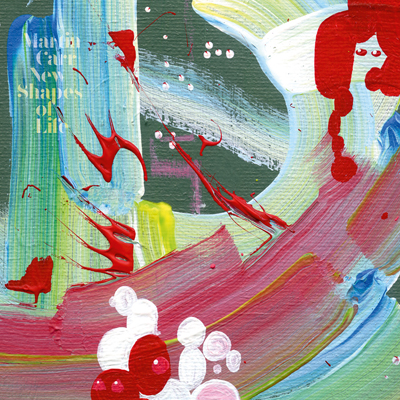
The Monks Road Social albums Down The Willows (Wonderfulsound) and Out Of Bounds (Monks Road Records) are out now.
For more information:
https://wonderfulsound.bandcamp.com/album/down-the-willows


 Say It With Garage Flowers