It’s that time of year, when websites and magazines publish their Best Of lists – ours is coming soon.
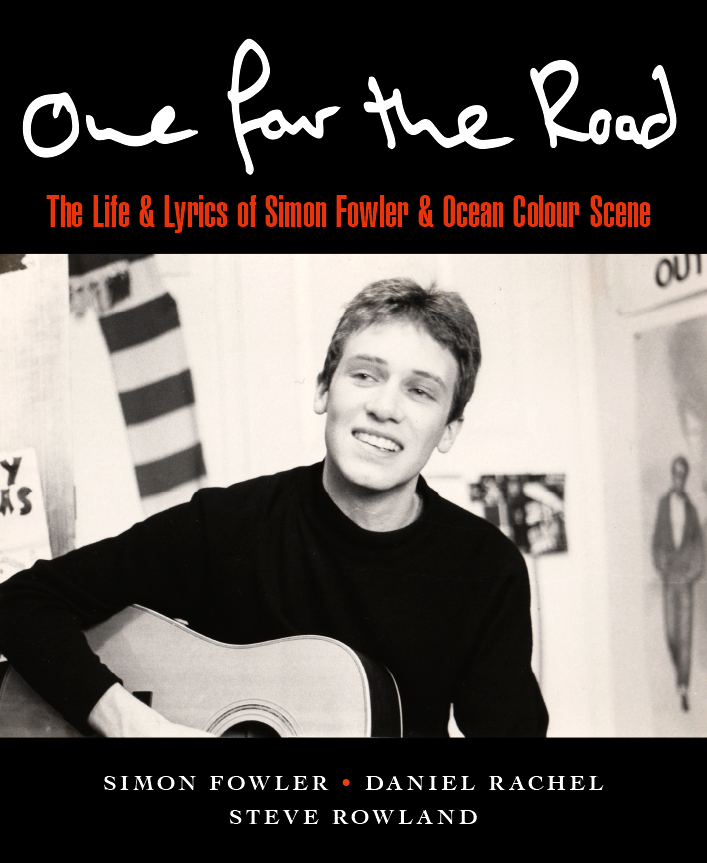
When it comes to music books, one of the best and most entertaining we’ve read in 2022 is One For The Road: The Life & Lyrics of Simon Fowler & Ocean Colour Scene.
Written as a series of conversations between Simon Fowler, the frontman and chief songwriter of ’90s Britrockers, Ocean Colour Scene, and the author, Daniel Rachel, Simon’s former flatmate and lifelong friend, the biography, which centres on his lyrics from 69 songs, but weaves them into Simon’s life story and the highs and lows of the band – by the way, there are a lot of highs, and that’s just the drugs and booze – is a fascinating read.
Often very funny and sometimes poignant, it’s a very honest book that doesn’t shy away from documenting the excesses of the ’90s Britpop scene, but also deals with some serious issues, including Simon’s outing at the hands of The Sun newspaper.
It reveals the stories behind the songs, as well as the people and the places that inspired them, like the music scene in Moseley, Birmingham, where both of the authors lived.
There are also over 200 personal photographs, lyrics to 13 unreleased songs, memorabilia and handwritten song words, as well as an exclusive 7in single featuring two songs recorded by Simon in 1986, The American Way of Life and I, captured on a portable tape recorder.
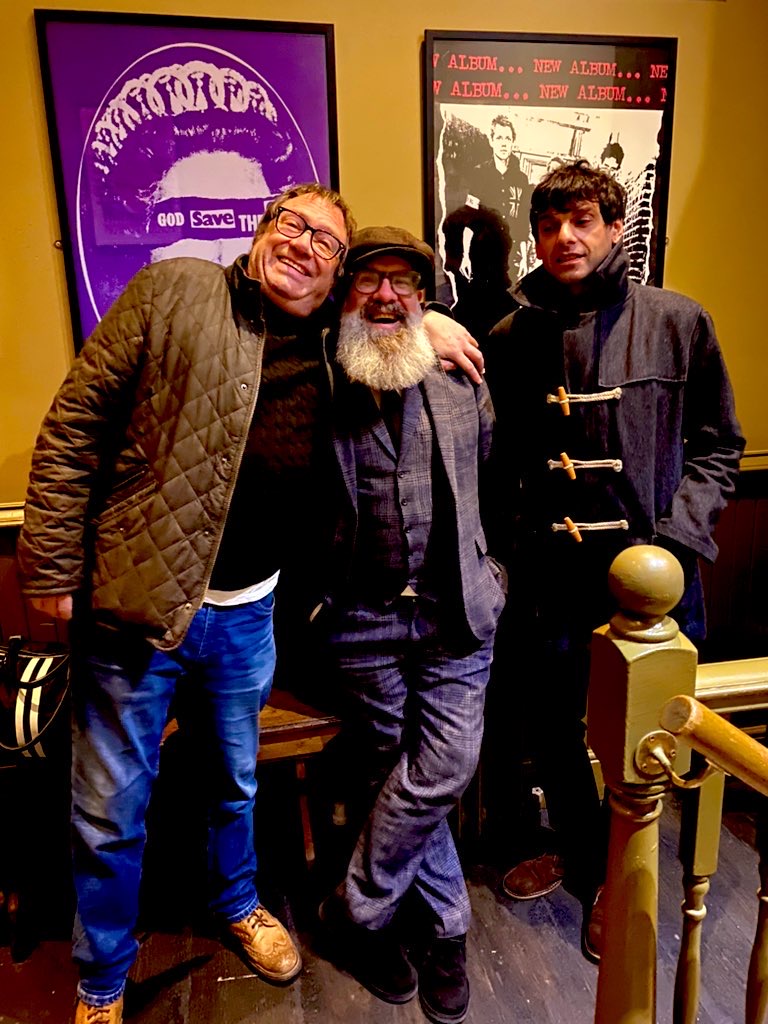
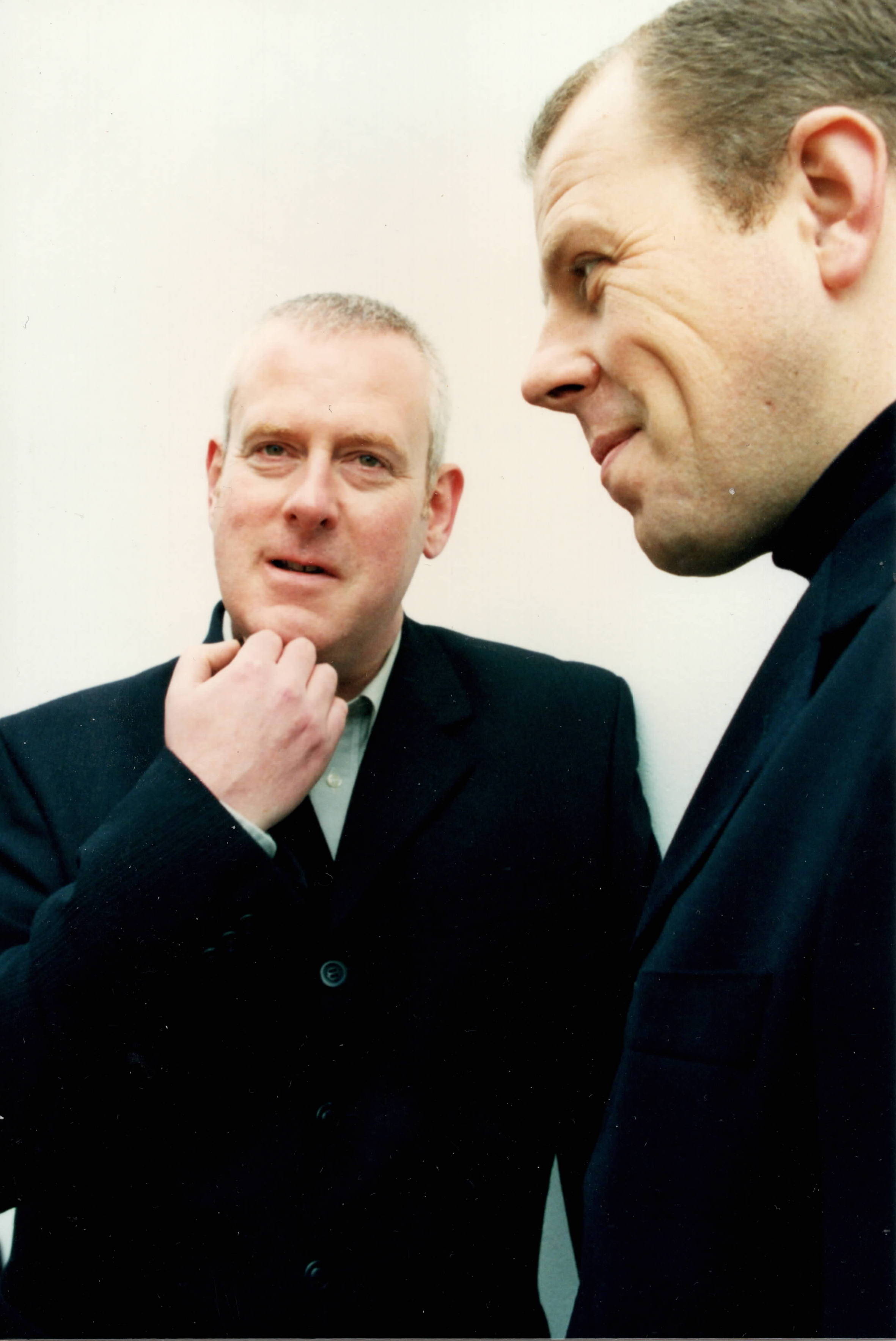
To celebrate the launch of the book, Daniel and Simon invited Say It With Garage Flowers to The Hawley Arms pub, in Camden, North London, for an exclusive interview.
One for the road, anyone?
Q&A
Was the way you approached the book, with it being based on song lyrics and how they relate to your life story, inspired by the McCartney book, The Lyrics: 1956 to the Present?
Simon Fowler: It was, because the idea of doing ‘In the beginning…’ – we wouldn’t have been able to collaborate on that, because of my memory… There’s a lot of memorabilia in the book, too…
[To Daniel]: You have a good memory and you’ve collected a lot of stuff from Simon and Ocean Colour Scene over the years, haven’t you?
Daniel Rachel: That’s how it’s turned out, but I don’t remember doing it as systemically as that. I can remember Paul Simon saying that he went round to Bob Dylan’s house and Bob was walking around while Paul was just picking everything up and saying to himself, ‘Maybe I’ll find out the answer…’
To be honest, I thought it was really amazing what Ocean Colour Scene were doing as a band, and seeing the process happen during all the different stages. I always loved the music. The memories were imprinted on my mind because it was incredible what was happening in-front of my eyes. When you have those moments, you get photographic memories of them.
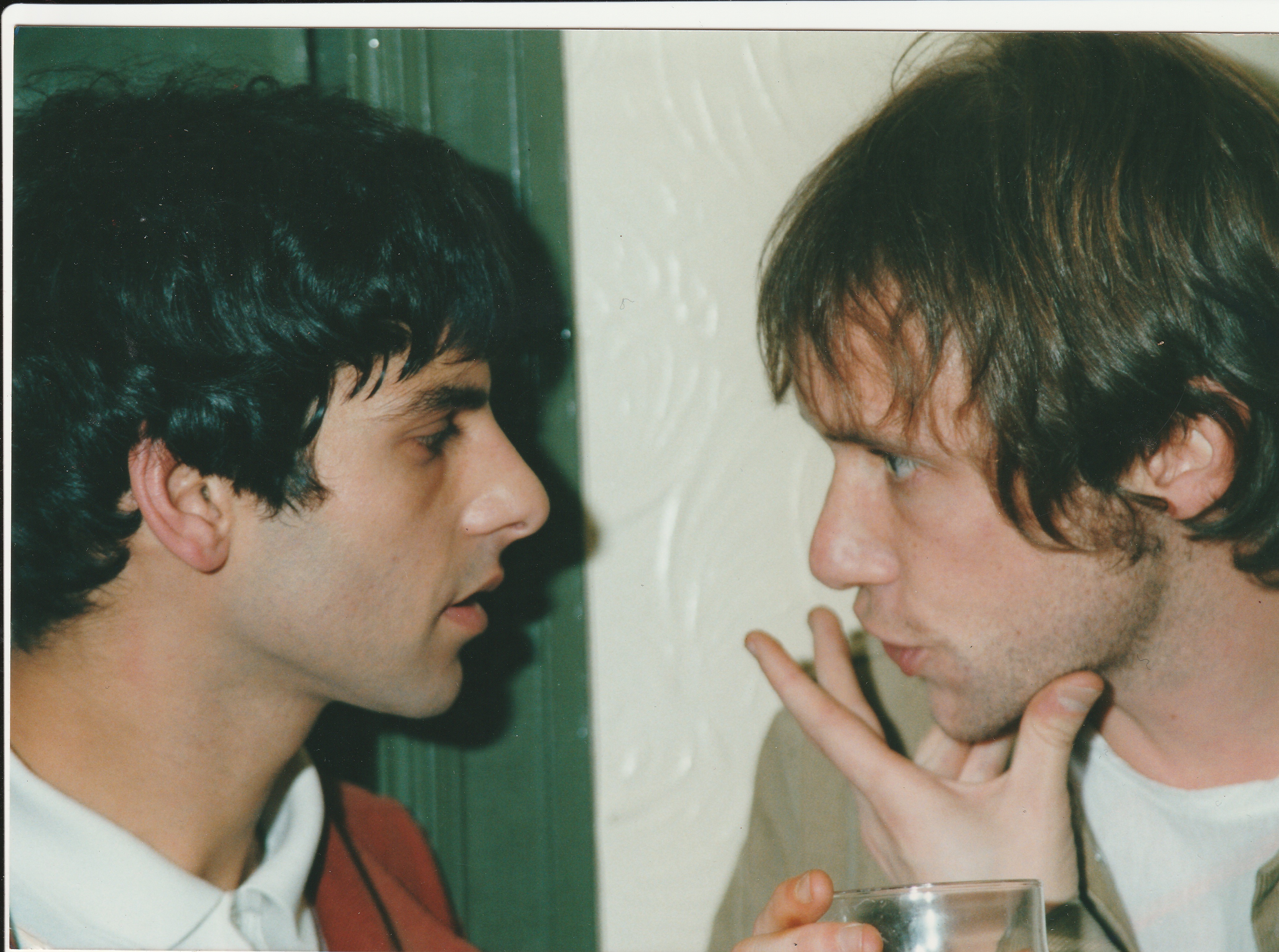
We were living together, and I’d said to Simon: ‘Have you got any tunes?’ He’d pick up a guitar, play me Get Blown Away and say, ‘What do you think?’
Your friendship goes back a long way – pretty much 40 years…
DR: Simon knew me when I was five, but I didn’t really know him – I knew his dad.
SF: Their family lived about three doors down.
[To Daniel]: There’s a story in the book where you say you can remember Simon staying up until the early hours of the morning, getting stoned and writing songs…
DR: That’s what everybody did in Moseley – Simon was one of quite a lot of people.
Was there not much else to do in Moseley?
DR: That’s why you’re in Moseley – because you’re into music, going down the pub, taking drugs and going to clubs. All the people that liked those things congregated and then they’d come back to our flat and everybody would pass around the guitar and play tunes. It just so happened that Simon was the best of the lot.
‘The book isn’t just about me and my songs. It’s also about our friendship and all of our gang. It’s a story’
When did you start working on the book?
DR: Simon phoned me up this year and said, ‘Do you fancy doing a book? I’ve read Macca’s one – why don’t we do it like that?’
SF: I think it was February.
So, it’s come together really quickly?
DR: Amazingly quickly – in the publishing world, that’s unheard of. My original idea was for it to just be Simon’s words.
SF: But it developed. The book isn’t just about me and my songs – that wouldn’t be as interesting. It’s also about our friendship and all of our gang. It’s a story.
It’s turned about being an autobiography, but via the songs…
SF: It has.
Why did you choose 69 songs?
DF: That was completely coincidental.
SF: [To Daniel]: Was it? I thought you were giving me a hint.
[Everyone laughs]
DR: I chose all the songs that I thought should be in it, then Simon said, ‘What I think is my best lyric isn’t in there.’ I said: ‘Oh dear – what’s your best lyric?’
He said it was Men Of Such Opinion. So that was added to it, and I think we lost one or two songs and the fact that it ended at 69 was arbitrary – there wasn’t a plan as to how many songs we’d have. What dictated it more was that the book was always going to be 288 pages. Also, I was born in 1969… when The Beatles were still going.
‘I couldn’t be arsed to be a mod. I just used to dress like Neil Young – jeans, a Millets shirt and a leather jacket’
SF: I was born while The Beatles were still going and before we won the World Cup.
In 1965?
SF: Yeah
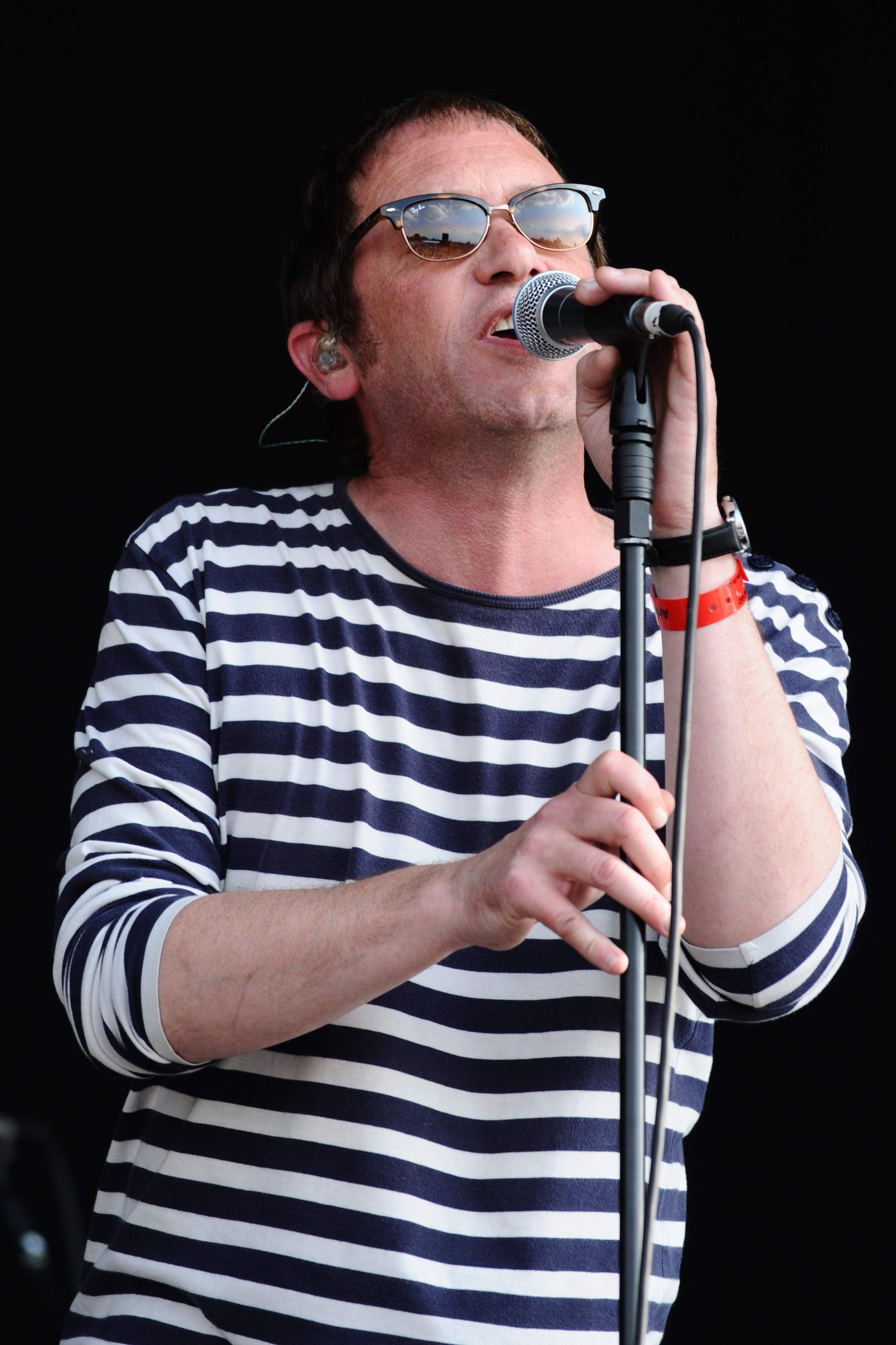
[To Simon]: Growing up, you liked Bowie, Neil Young, Dylan and The Beatles, and you were into folk music, but Ocean Colour Scene got tagged as mods…
SF: Yeah – we did have that influence… Are The Beatles or The Stones a mod band? The Who weren’t really a mod band – The Small Faces were. The Who’s management turned them into a mod band. My first incarnation as a lead singer was stolen directly from The Who video, where there’s a lad who looks like Jean Seberg – I fancied him. It’s one of those single like I Can’t Explain… He’s wearing a Breton top, white trousers and desert boots.
DR: It’s when The Who are at Shepherd’s Bush in ’65 and there’s a lad dancing. The funny thing is, neither of us have ever been mods.
SF: I couldn’t be arsed to be a mod. I just used to dress like Neil Young – jeans, a Millets shirt and a leather jacket.
DR: Simon was into The Kinks and The Who and those kind of bands – he just wasn’t dressing like a mod. The mod thing was how Steve Cradock [Ocean Colour Scene guitarist] dressed.
SF: He got that from Paul Weller.
In the early days of performing on stage, you were quite camp, weren’t you?
SF: I got that from Bowie.
DR: And Jagger.
SF: I was looking for some kind of release. I think the definition of camp was defined by George Melly. He said something like, ‘It’s a lie that tells the truth.’ In fact it’s in one of my songs…
DR: That’s from My Brother Sarah.
How was it going back through your memories and putting the book together? Was it fun or cathartic?
SF: It was great. What we did was Daniel used to come and stay at my house, which is in a village just outside Stratford-upon-Avon, and we’d get up at 10ish, have a cup of coffee and then at 10:30 we’d do two or three hours, then say we’d had enough. We’d go to my local boozer, where I’ve got my own table, and we’d do another two or three hours.
Structurally, it’s like Craig Brown’s book, M’am Darling [biography of The Queen’s sister, Princess Margaret], where you can just read one chapter a day. Read it in the morning, have a cup of tea and bore everyone for hours.
It’s a conversational book…
DR: The conversation isn’t strictly the way it appears – it was more just freewheeling, with our thoughts and memories. And then I crafted it afterwards to fit in certain themes.
[To Daniel:] There’s a nice moment in the book when you and Simon talk about a tape you’ve got of him, singing and playing some of his earliest songs in his bedroom, in 1986.
DR: I’m glad you picked up on that. There were about 20 songs on it. Inside the cassette, there’s a piece of paper that’s almost like tissue paper, and on it, Simon has written a description of what he thinks each song is about, in blue Biro. The comments are in the book and you get a real insight into the way he was thinking. What’s really interesting is that I think his approach to songwriting and the subject matters are completely different to what he’s become known for as a songwriter.
‘I was aged at least nine when I wrote my first song, because that’s when I got a guitar’
When you listen to a lot of the songs, it sounds like he’s having a conversation with himself about what’s going on in his mind. It’s almost like a diary – an outlet for it. I don’t know whether he agrees, but that’s how I hear it.
It’s fascinating because if you’re into Ocean Colour Scene, or any band, you want to know the genesis of them. When you hear In Spite Of All The Danger [Paul McCartney – the first song recorded by The Quarrymen] it’s utterly joyous because you can hear the first manifestation of what they’re going to be like. As a fan of Ocean Colour Scene, to hear these songs with such formulated and intelligent ideas and lyrics is really amazing.
[To Simon]: What was the first song you wrote?
SF: The song I was the first significant song I wrote. It was from when I was about 20.
That became Foxy’s Folk Faced, by Ocean Colour Scene, didn’t it?
SF: Yeah. Steve named it that because it was a good description of me at the time. I was aged at least nine when I wrote my first song, because that’s when I got a guitar.
[To Simon]: I think you’re underrated as a lyricist. When people think of Ocean Colour Scene, they tend to remember the riffs, rather than the words…
SF: Yeah. It’s because the band is basically seen through The Riverboat Song and The Day We Caught The Train, but, for all of those, one of my favourite Ocean Colour Scene albums is B-sides, Seasides and Freerides. And, also, what a great title that is.
DR: It’s natural that an audience knows the band by their singles, but the B-sides and album tracks give you more scope.
SF: I think The Circle is one of my best songs, but it’s better as a ballad. [Recorded as Outside of a Circle on the compilation album, B-sides, Seasides and Freerides]
[To Simon]: You trained as a journalist, but, before that, you wanted to become a football commentator, didn’t you?
SF: That’s right. I wanted to be John Motson.
There’s a quote in the book where you say, ‘Wanting to be a pop star seemed a stretch too far. It seemed daft enough to want to be John Motson, let alone John Lennon…’
DR: I love that quote.
SF: I didn’t come from a highfalutin background. Match of the Day was my favourite programme and I was obsessed with football.
‘From the very first day I started hanging out with Simon, in ’85, it was an unwritten thing that he was going to be famous’
Did you want to be a pop star when you were growing up?
SF: I think I did. It was probably Bowie, really – if you’re into Dylan, Neil Young and Joni Mitchell, they’re not really stars… My favourite band were – and still are – The Beatles. I remember The Beatles when I was four.
DR: From the very first day I started hanging out with Simon, in ’85, it was an unwritten thing that he was going to be famous. It was a given. He could sing and he could write songs and he had incredible charisma.
How did you feel when he got famous?
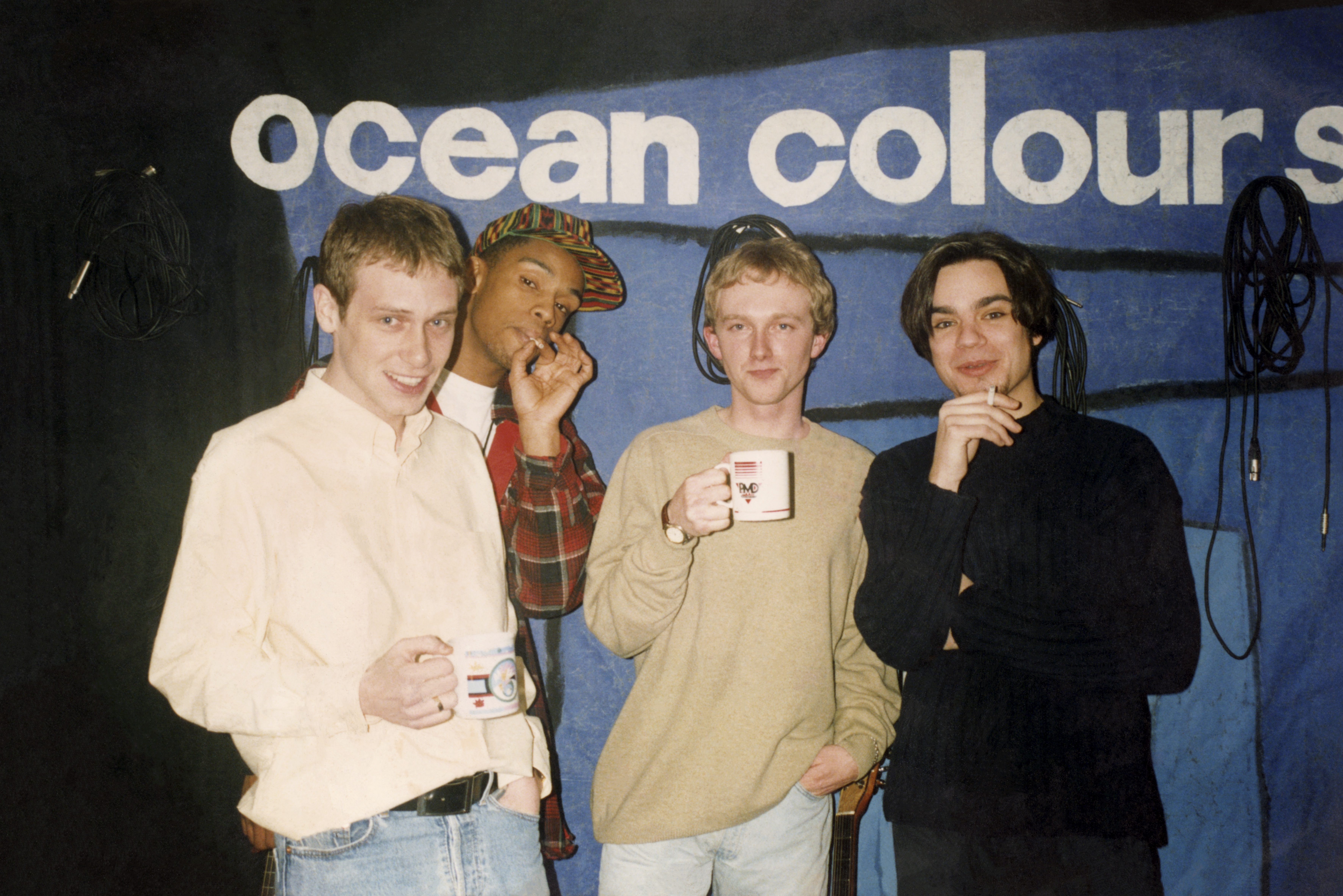
DR: I thought it was unbelievable and everything that I’d ever hoped for for Simon and for Steve and for Damon [Minchella – Ocean Colour Scene bassist]. I desperately wanted it to happen. I was joyous. Steve had an absolute drive that he was going to make it. It wasn’t like they were arrogant or going on about being famous – it was an assumed thing and they were trying to find the portal or the path that would get them to the next level. They knew it was going to happen – if they played that gig, got this review, or recorded that… They climbed the ladders and there was an inevitability about it. So, when it happened, it wasn’t a surprise, and when it doesn’t happen, it’s a set back and everyone else is wrong. I always believed in them being right.
SF [To Daniel]: You knew Steve before I did.
DR: Yeah – we were mates at junior school.
Was it due to the use of The Riverboat Song as the soundtrack to Chris Evans’s TV show, TFI Friday, that Ocean Colour Scene really made it big?
DR: I think it was Radio 1 more than TFI – Chris Evans on the morning show. He used to play a promo version of You Got It Bad before Riverboat. Then Riverboat was released as a single and Chris really played it and made it Single of the Week…
SF: For two weeks in a row.
‘We started to learn how to deconstruct music and make records, instead of standing there, like a cross between the Velvet Underground and Buzzcocks’
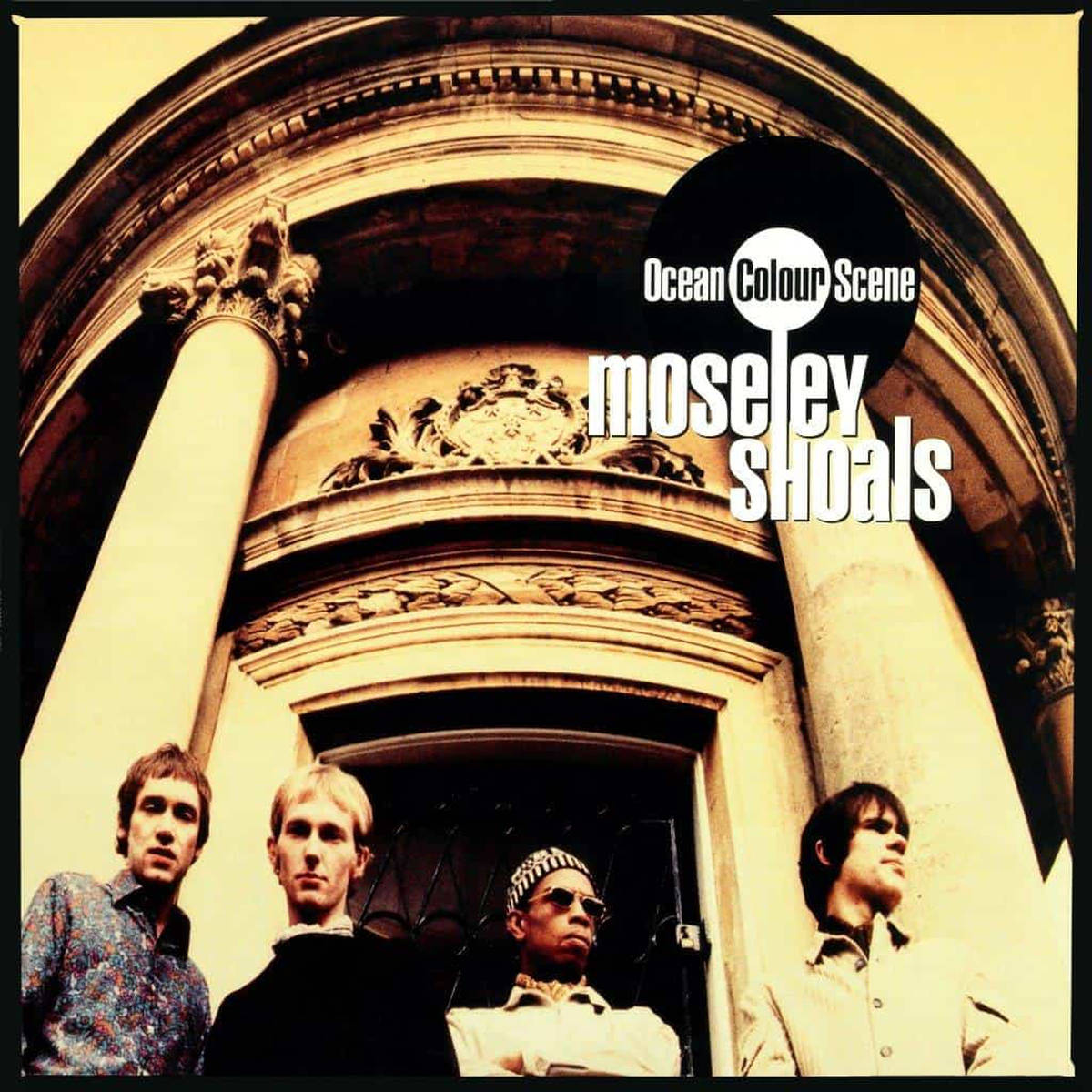
After your debut album, Ocean Colour Scene, you reinvented yourself for the follow-up, Moseley Shoals, didn’t you?
SF: That was down to being at Bob’s [Lamb – record producer]. Steve and Damon started to learn how to use the [recording] desk, so suddenly we started to learn how to deconstruct music and make records, instead of standing there, like a cross between the Velvet Underground and Buzzcocks.
DR: What happened to Ocean Colour Scene isn’t dissimilar to what happened to Blur, but Blur had a nightmare tour of America and Ocean Colour Scene had an amazing one.
But Ocean Colour Scene didn’t crack America…
DR: No, it’s curious that.
SF: It’s because we were too English and we just said, ‘Thank you.’
[To Simon]: There’s one bit in the book where you reflect on playing TFI Friday on New Year’s Eve 1997 and doing three nights at Stirling Castle the year after – you acknowledge that Ocean Colour Scene have done it on your own merits. For a while, did it feel that you had made it thanks to the patronage of Chris Evans, Paul Weller and Oasis?
‘Paul Weller’s always been our fifth Beatle’
SF: Paul and Noel were great, but it was Chris who made us break through – quite frankly, it wouldn’t have happened [without him]. We did that first biggish Oasis tour – Leeds Town and Country Club, Newcastle Riverside… That wouldn’t have happened. When we became well-known, bands would use to say, ‘We’re backing Ocean Colour Scene.’ One of those bands were Coldplay…
Paul’s always been our fifth Beatle. We enjoyed our time with that lot enormously.
The music press always gave you a hard time, didn’t they? Why do you think that was?
DR: Because they changed so much and they became something that they weren’t originally.
And there was the whole dadrock thing…
DR: If I remember correctly, I’m sure dadrock happened after Moseley Shoals, in 1998 – it was retrospective…
Blur went from being a baggy band to listening to The Small Faces and The Kinks and changing their image, but they didn’t get the same flack as Ocean Colour Scene…
DR: That’s absolutely true.
Why do you think that was?
SF: If someone says, ‘What’s your band?’ I say, ‘We’re traditionalist.’
DR: I think that’s what more important is that Ocean Colour Scene became a people’s band – they had the record buyers, who decided their popularity, regardless of what the press said.
SF: We weren’t part of the zeitgeist, but the problem with the zeitgeist is that after a while it becomes like a new jumper in the shop – it becomes old hat. Being fashionable is maybe not great, because how long does that last? Especially now.
You did well as a band, though…
SF: Yeah, but we were dreadful at making videos and doing photoshoots – basically we hated all of that.
DR: I was always baffled ultimately as to why Ocean Colour Scene were so severely slagged off. There were so many contradictions in the ’90s – contradictions are good, but you can never understand them. It’s like the Britpop battle. You had Blur, who were Britpop – Damon invented it – and Oasis, who weren’t Britpop. Then you get into semantics and it doesn’t add up. The sound of Blur was nothing like the sound of Oasis. It’s a strange one.
 [To Simon]: One of the parts in the book that really struck me was when you talk about being outed by The Sun. That must’ve been awful for you. And you ended up meeting the journalist responsible for breaking the story…
SF: It was horrendous – hideous. All my pals knew – the only people who didn’t know were my family.
But you then go on to say that it was the best thing that’s ever happened to you…
SF: It was. I went out on the town with the **** from The Sun, with Steve and Ian McCulloch, trying to score cocaine, and all we did was meet Bobby Charlton. We were in Lyon, because I’d done the World Cup song [ (How Does It Feel To Be) On Top of the World – England United, 1998]. Ian told me that I sounded like Roy Orbison.
There’s a lot of drink and drugs in the book. At one stage, you tell a story about when you’re in a hotel, on tour, seven floors up, you’re all on coke and Steve jumps off the bed and bounces off the window. The next day, you have a meeting and agree that you might need to calm things down. Was that the peak of the craziness? You were really into coke, weren’t you? I always saw you as more of a drinking band. One For The Road and all that…
SF: We were big coke fans and a big smoking band. And acid – Steve and I were really into acid, well, it was more me, really.
Do you have regrets about any of the things you did in the ’90s?
SF: I regret the fact, perhaps not in the ’90s, that I didn’t carry on writing songs in the same volume. When I lived on Westfield Road, [in King’s Heath, Birmingham] I used to write songs in the evening so that Steve and I would have something to do the following morning.
You were a hardworking band, though…
SF: If we weren’t touring, we were on the radio, doing TV shows and interviews.
How was it when you became famous? Did you enjoy it?
SF: I did.
And how was it after you became less successful?
SF: After the Moseley Shoals and Marchin’ Already albums, One From The Modern didn’t do quite as well. Unless you’re U2 or Oasis… new bands come along, but I enjoyed every moment of it.
DR: Brendan Lynch [music producer] made a good observation at the time. When he came up to Birmingham, he said there was a scene around Ocean Colour Scene. And there was. It wasn’t just Moseley – it was a wider thing.
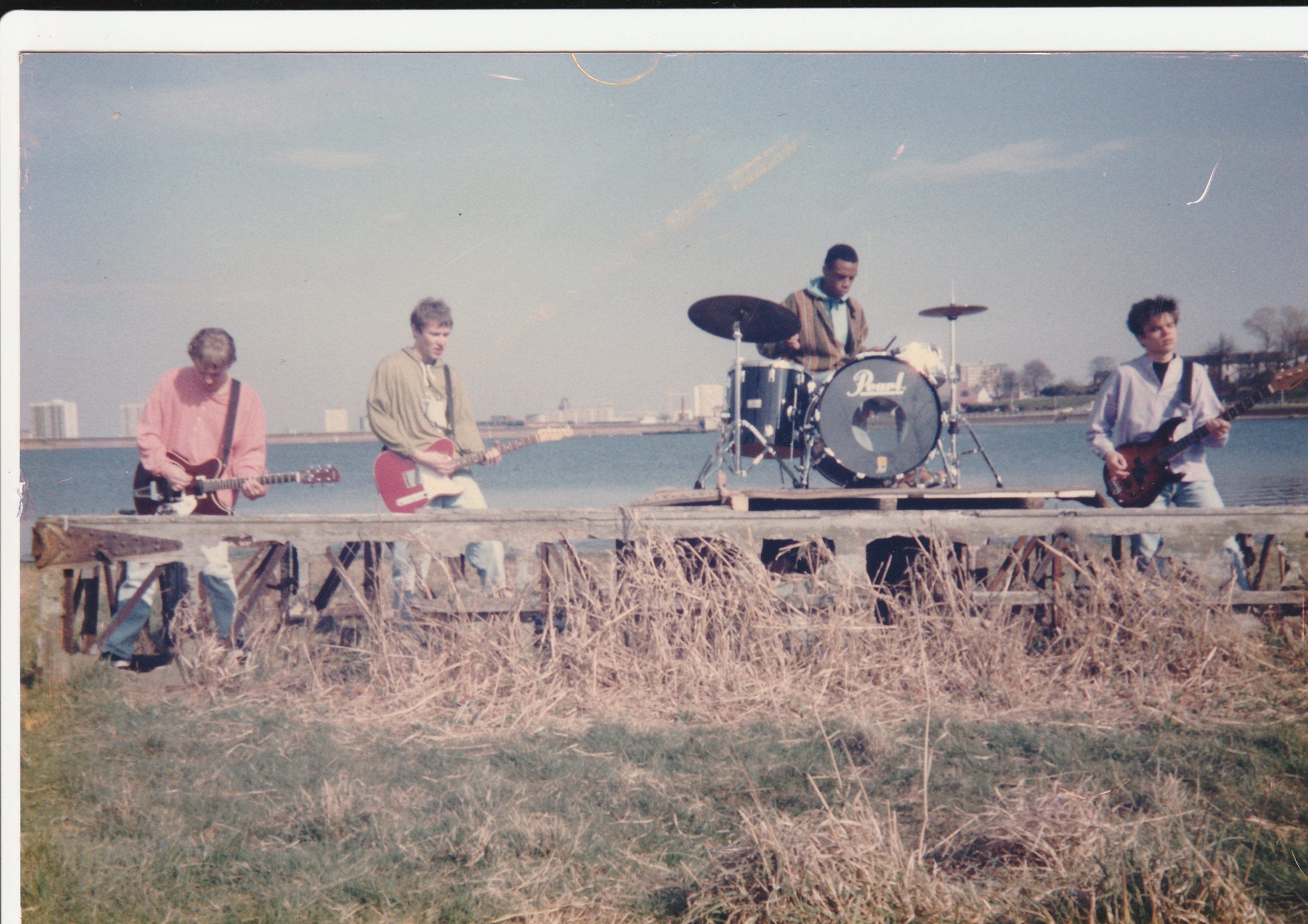
Everything they were and who was around them, doing drugs and writing and singing about your lifestyle, was there before the fame – they just carried it through into what they were doing. It was just magnified by the press.
The more pertinent thing was that when they eventually got the PRS and the money, they moved away from one another and Moseley, which had been an inspiration – particularly Simon and Steve. Simon moved in with Robert, the man who he loved, and found happiness in being outside of the Birmingham scene.
SF: Steve and I used to live out of each other’s pockets.
[To Simon]: You were the main songwriter in the band, but there were some songs, like The Riverboat Song and 100 Mile High City, that you all came up with together, weren’t there?
SF: Yes – the more rock ‘n’ roll ones. About 75 percent of the songs on Ocean Colour Scene albums I wrote on my own.
The band shared the writing credits, though…
SF: I always thought that without Riverboat, we wouldn’t have gone anywhere, so that seemed fair enough. I joined the band because I wanted to be in a gang.
DR: What Simon’s saying is that because they were a gang, the music wouldn’t have been Ocean Colour Scene unless all four of them were on it. He made that decision right at the very beginning to share the money. There are very few bands that have done that – it speaks a lot about Simon’s personality. That comes out in the book – he’s a very generous person.
SF: Steve could work machines – I couldn’t have put those songs together myself. It was just me and an acoustic guitar.
[To Simon]: What’s your songwriting process like? Do you sit with an acoustic guitar and come up with something?
SF: I’ve got an old Sony tape player – like you’d get for Christmas in 1972. I have about four of them, but only one of them works. The problem is that if you leave them on at night, and don’t turn off the power, the motor fails and you can’t rewind the tape.
So, what’s next? Is there a new Ocean Colour Scene album on the way?
SF: Hopefully.
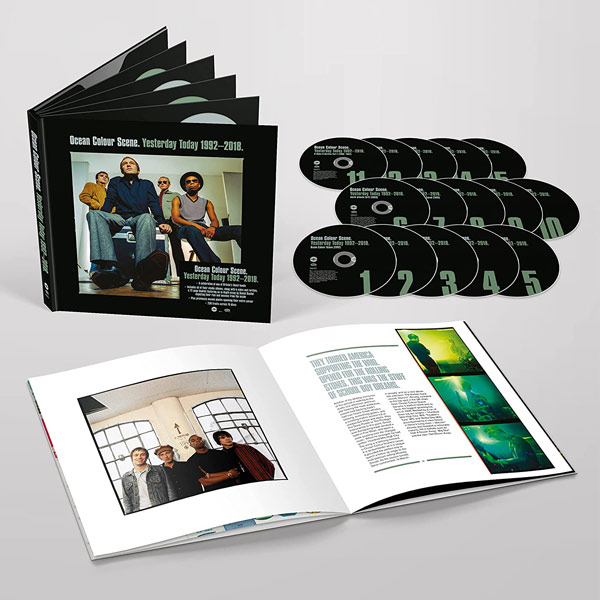 There’s a 15-CD retrospective boxset coming out too, Yesterday Today 1992-2018, with all the studio albums, plus bonus discs of B-sides, etc, and a 72-page hardback book, with notes by Daniel. And there are vinyl reissues of the first three studio albums being released, and you and Oscar [Harrison – drummer] are going out on tour as a duo. It’s a big year for Ocean Colour Scene in 2023…
SF: Me and Oscar are going out in May.
DR: And we’re doing an evening with Simon Fowler in Notting Hill, in March.
How does it feel…
SF: [sings] To be on top of the world.
[Everyone laughs].
How does it feel to be celebrating over 30 years of Ocean Colour Scene next year?
SF: I don’t know really.
It’s not the original line-up, but what’s kept the rest of the band together?
SF: I don’t know how to do anything else, to be quite honest. I’ve never used a computer in my life.
DF: He hasn’t even got one.
Do you still enjoy it?
SF: I do when we go out on tour – recording has never been my favourite thing.
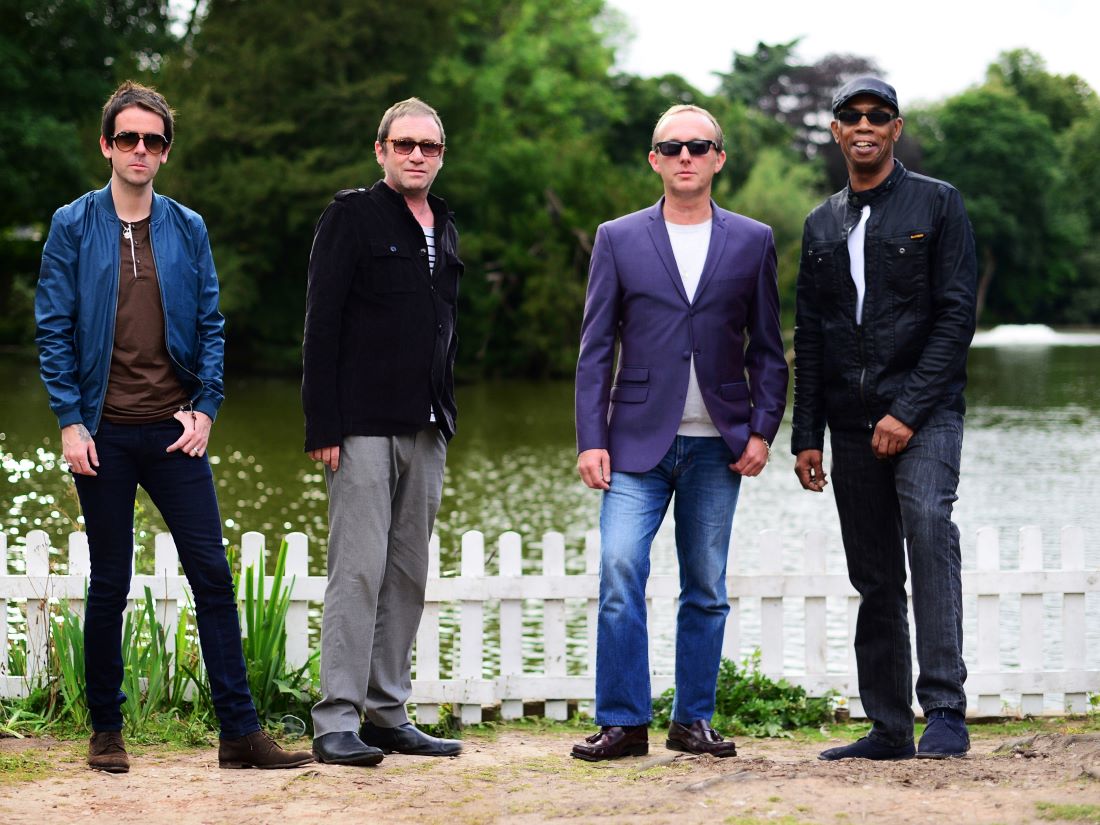
DR: With the book, Simon is celebrating what he has done – he’s never done that before. It’s really important to recognise – there are so many songs… There are only 69 in the book, but there are hundreds that he could be celebrating. There’s great humour but also pathos – you get two sides of his personality. It’s an incredible thing to have done and to reveal in print. Over the last couple of hours, you’ve probably realised that one thing you can say about Simon is that he’s very honest. A lot of pop stars aren’t. He’ll invite you into his world and he should be admired for his openness.
SF: I don’t know what my parents will do when they get the book for Christmas.
One For The Road: The Life & Lyrics of Simon Fowler & Ocean Colour Scene by Simon Fowler and Daniel Rachel is out now. You can buy it here. It retails for £50.
The 15-CD retrospective boxset, Yesterday Today 1992-2018, is released on February 24 (Edsel/Demon Records) as part of a year-long campaign marking 30 years of Ocean Colour Scene. You can pre-order it here.
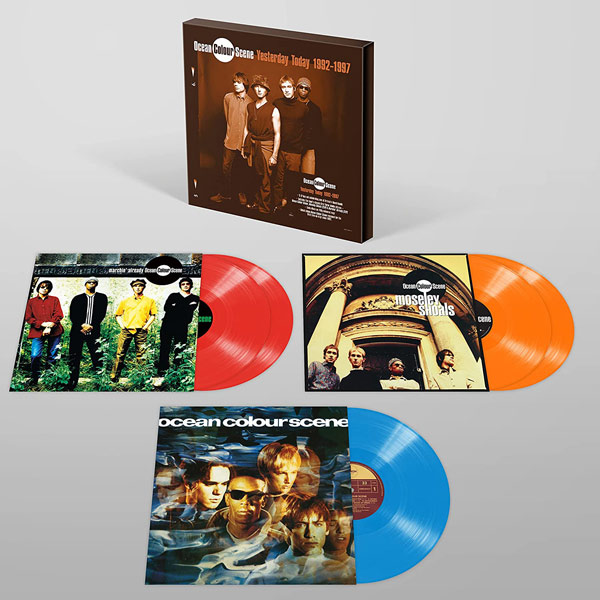
The band’s first three studio albums, Ocean Colour Scene, Moseley Shoals (2LP)and Marchin’ Already (2LP) are being reissued on coloured vinyl on the same day.
https://www.oceancolourscene.com/





 Say It With Garage Flowers