Jangle all the way


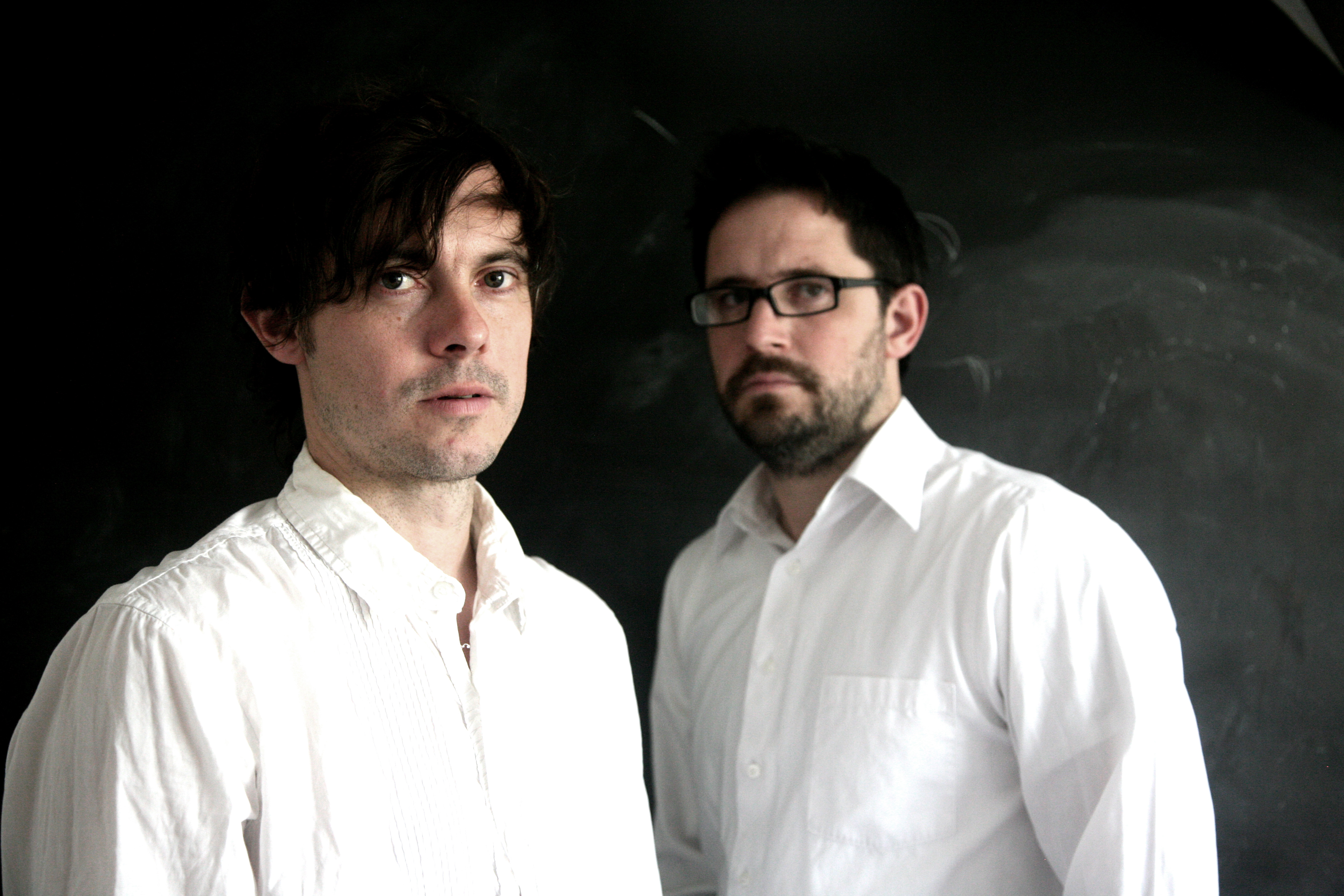
Picture of The Lost Doves by John Middleham

Here at Say It With Garage Flowers, one of the recent albums that has helped us to stay positive during these tough times – and has been a shining light in the darkness – is the aptly-entitled Set Your Sights Towards The Sun, the debut record by UK duo The Lost Doves, who are North West-based singer-songwriters Ian Bailey and Charlotte Newman. 

It’s a superb collection of songs that’s in thrall to classic ’60s jangly and harmonic guitar pop, like The Byrds and The Beatles, as well as vintage psychedelic sounds. On the optimistic and anthemic title track, Bailey’s 12-string Rickenbacker rings out like bells (of Rhymney), and it also adds a gorgeous shimmer to the melancholy She’s Waking Up To Close Her Eyes.

There’s a country tinge to the beautiful, acoustic ballad You Stop Me From Falling,  a Lennon feel to the haunting Sally Weather, a hint of Eastern mysticism on More Than I and some seriously heavy psych on the dark, trippy instrumental, The Clowns Are Coming To Town

I wanted the album to feel like a record you’ve had in your collection for years – warm, inviting and in the vein of the classic West Coast sound of the ‘60s,” Bailey tells us, in an exclusive interview. He’s certainly achieved his goal…

Q&A

Hi Ian. How’s it going?

Ian Bailey: Well, things could be better gig-wise, as you can imagine, but being able to work and record from home has been a lifeline for me.

I’m based in Leyland, near Preston. Pre-Covid, Preston’s music scene was bustling and bright. The city played host to several fantastic local acts and artists – many of whom I’ve been lifelong friends with – as well as touring bands. All play and perform regularly at great venues, like The Ferret and The Continental.

Have you heard of Preston-based Americana band West on Colfax, who released a great debut album, Barfly Flew By, earlier this year?

IB: Scott [Carey – bass] from West on Colfax was in touch recently, after seeing one of my videos on the Americana UK website. He has invited me to play at their Americana night at The Continental, so I’m looking forward to that once venues can open again.

How has the Covid-19 crisis affected you, and what are your hopes and fears for the future of live music?

IB: I’ve been a self-employed musician for many years. At the onset of the first lockdown, back in March, I was really worried for the careers of fellow musicians, venues and everyone else working within the arts sector – the sound engineers, stage crew, lighting techs, the list goes on… Sadly, it appears to be an industry that was first to shut and looking like the last to open. Encouraging audiences to be confident to attend gigs again is another story…

‘Nobody should be excluded or made to retrain – that’s just the highest insult you can give any creative person. It’s a tough time, but I believe music, arts and culture builds bridges and has the power to heal’

It’s also concerning to see so many people in the arts slipping through the net and not being eligible for financial support, like the Self-Employment Income Support Scheme (SEISS). I know the Musicians’ Union and other organisations are lobbying for it and I really hope something can be done for everyone in the arts world. Nobody should be excluded or made to retrain – that’s just the highest insult you can give any creative person. It’s a tough time, but I believe music, arts and culture builds bridges and has the power to heal. I truly hope the live scene will return bigger than ever.
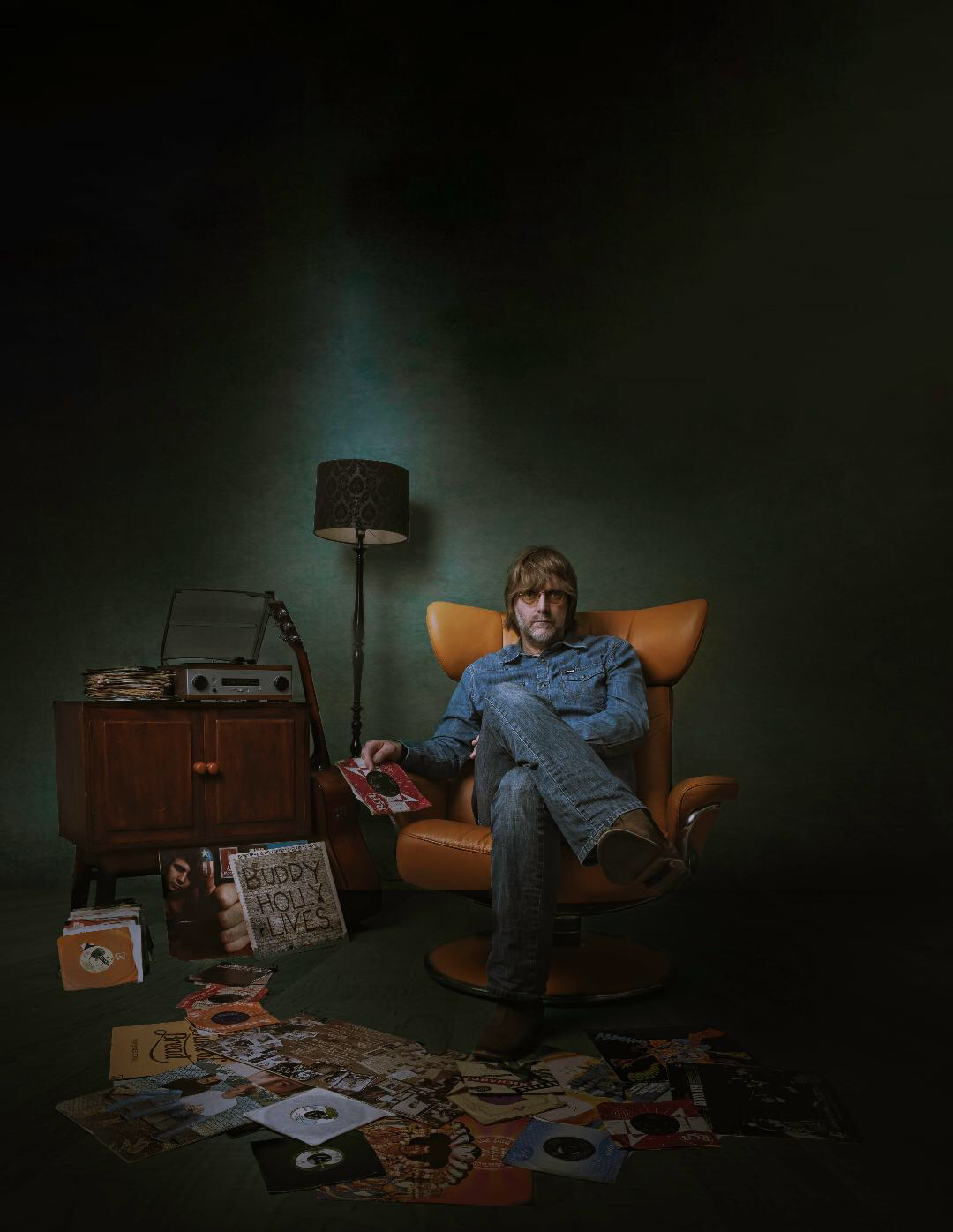
Picture of Ian Bailey by John Middleham

Let’s talk about your latest project – The Lost Doves. How did you end up working with Charlotte Newman? You both complement each other well – your voices sound great together…

IB: Thank you. I really enjoy working with Charlotte she’s a real natural talent. We met at a gig on the back of a lorry (laughs) a few years ago, and, a couple of years later, we decided to do something together. We started rehearsing various songs – covers and originals – and subsequently called the rehearsals ‘The Green Tea Sessions’, due to the copious amount we consumed. From thereon, we started recording a few tracks and that’s what spurred us on to create the album together.

You recorded it at your home studio, between late 2019 and pre-lockdown this year. How were the sessions and what’s your set-up like at home?

IB: They were all great sessions – quick and productive. Most of what you hear on the album were first takes. My studio, Small Space Studios, is in fact my daughter Sacha’s old box bedroom – it’s very small. I inherited the valuable space when she moved to Liverpool to start university.

A couple of years ago, I bought a 360 12-string Mapleglo Rickenbacker, which is the guitar you hear on the album. I use a jangle box with the Ricky, which is basically a compression pedal. It gives the guitar sustain and ‘that’ sound, and I just go straight into the desk with it. I bought some half decent mics, an £80 keyboard, an old Boss BR900CD [portable multi-track recorder] complete with flash cards, a drum machine, an old amp and monitors. That’s it really.

You co-produced the record with Charlotte and you both played all the instruments, apart from the drums, which were by ‘local legend’ Little Bobby Rockin’ Box. Tell us about Bobby…

IB:Well, Bobby is the pseudonym for my wonderful old Alesis drum machine that I bid for and won on eBay. We used Bobby’s talents throughout the album, before adding tambourine and shakers to complement his impeccable timing. We thought that by giving him credit and accolade as a local legend he’d be up for doing another album!

‘I wanted the album to feel like a record  you’ve had in your collection for years – warm, inviting and in the vein of the classic West Coast sound of the ‘60s’

How did you approach the album? What kind of sound and feel were you going for?

IB: That’s a really good question. When we embarked on the project, I was going to keep everything stripped-back and understated, but it soon became apparent that it would be a big mistake to leave out things like Charlotte’s wonderful lead guitar playing, our built-up harmonies and the way we blended the instruments, so I started to look at the majority of the album being full ‘band’ tracks, but with the occasional stripped-back song in there to give some balance.

With regards to the sound, I wanted the album to feel like an album you’ve had in your collection for years – warm and inviting. I guess I was always trying to create an album that was in the vein of the classic West Coast sound of the ‘60s.

Were all the songs written especially for The Lost Doves project, or did you already have some of them?

IB: Not all the songs were written specifically for the album. You Stop Me From Falling is one I wrote several years ago, but after performing the song in rehearsal acoustically with Charlotte, it felt natural to include it on the album.

See Saw and She’s Waking Up To Close Her Eyes were originally written for my stripped-back, acoustic album Empty Fields, but I really wanted to give them a bigger sound and production, so it felt right to include them on the album too.
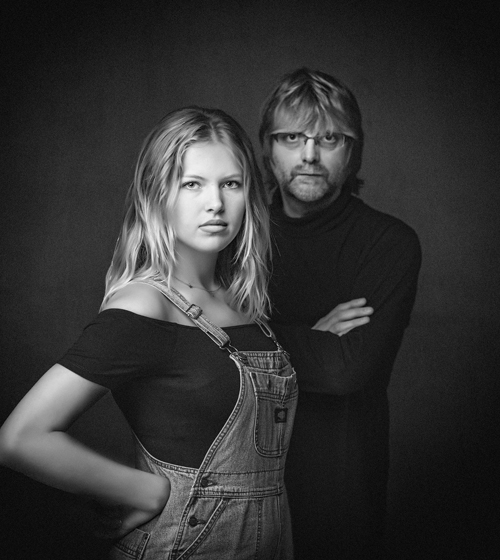
The Lost Doves: Charlotte Newman and Ian Bailey – picture by John Middleham

Where did the name The Lost Doves come from?

IB: I was originally working on a psychedelic ‘60s-style name, you know like Jack & Jill’s Incredible Grooving Satanic Barber Shop Bungee Jumping Santa Machine, but I was having no such luck coming up with something that had any relevance.

So I basically went back to the drawing board and hit upon the idea of two white doves escaping from a magician’s cage and flying for days, possibly weeks, over the sand and sea, to find a new home in the sun, away from the conjuror’s clutches, but, unfortunately, getting lost and losing their bearings somewhere along the way. I liked the way it also worked with The Byrds theme.

On that note, the jangly title track, which is one of my favourite songs on the album, has a definite Byrds feel, with 12-string Rickenbacker, harmonies and a great poppy melody…

IB: It feels very relevant for the hard times we’re living in. It’s a hopeful song about bringing some light into the darkness. It’s one of our favourites too.

What inspired it? Was it written in response to the Covid crisis?

IB: It was written pre-Covid and lockdown – in fact it was the first track we finished for the album. I wanted to write a song that delivered a positive message on life. It’s about helping each other, not looking back, and finding that even the smallest chink of light in the darkest room can bring hope – the bad days will pass. Its sentiment means more now than ever. I like the way the album hangs off the back of it too.

Several of the songs deal with hope and looking towards a better, brighter time. Was that intentional? They feel like they have a common theme…

IB: I guess it wasn’t intentional, but it seemed to flow that way. I’ve found that listening to certain music, using certain instruments and working with certain musicians brings out different sides to my songwriting and it’s confirmed to me that it’s good to be around positive folk.

‘I wanted the guitars to sound like Crosby and McGuinn in the left and right speakers, and the harmonies to sound like Crosby, Stills & Nash’

She’s Waking Up To Close Her Eyes is also very Byrds-like…

IB: Yes indeed, I wanted it to sound like The Byrds had just got back together. Musically I think it has a Chimes of Freedom feel. I like the words – they’re pretty melancholy really. It’s about a couple going their separate ways, but he wants her to stay and pleads with her, but how can he possibly change her mind? Will she believe him that it will all be different, when all she’s felt is loneliness and neglect day-after-day? I wanted the guitars to sound like Crosby and McGuinn in the left and right speakers, and the harmonies to sound like Crosby, Stills & Nash.

Why do you like the Rickenbacker sound so much? Are you a Byrds and Beatles fanatic? Who are your main influences?

IB: I’ve loved The Beatles and The Byrds since I was at school. I got my first Rickenbacker 12-string when I was 18, from Hobbs Music in Lancaster, after falling in love with the look and that unmistakable jangly sound. My dad was kind enough to sign the never-never form and I paid him back £10 a week. I still have the guitar to this day. I have a few different guitars, but the Rickenbacker always comes out of the case first.

My friends and I formed our first band together while we were at school and eventually turned ourselves into a great mod band, playing the scooter rallies in and around Lancashire. Bands like The Jam, The Who, The Small Faces and The Kinks all featured heavily in those days.

As the years went by, I was listening to artists like The Moody Blues, Simon & Garfunkel – in fact most of the stuff from my dad’s record collection. Little Richard, John Denver, Cat Stevens, Don McLean, Bread, Procol Harum, Traffic – those kind of artists. Later I was introduced to the such greats as Townes Van Zandt, Mickey Newbury, David Olney, Emmylou Harris….the list goes on.

Your song Sally Weather has a Lennon/ Beatles feel…

IB: It was based on a riff and an idea I’d had for around 20 years. The lyrics are based on a person I knew who had fallen into an abusive relationship. I’m glad to say she is now happy and loving her life again.

I always think it sounds like a cross between Girl and something else I can never quite put my finger on, but I guess something from the Revolver-era. The keyboard solo was inspired by House Of The Rising Sun by The Animals. I like the lines “insanity’s a point of view, so close your eyes you’ll miss the truth.”

You Stop Me From Falling is more stripped-down. It’s a gorgeous acoustic ballad. Where did that song come from?

IB: It was written and dedicated to a dear friend who helped me through some rough times. It was my way of giving them something back.

It’s been through a few different guises, but, primarily, when I was writing it, I had in my head the scene from The Shining, where all the ‘ghosts’ are in the big concert room in their 1920s regalia and the band are playing. It’s slightly odd I know, but you can never tell what will inspire a song sometimes.

The Clowns Are Coming To Town is a heavy, psychedelic instrumental. I really like it, but it feels a bit out of place on the album. Is it your Revolution 9 moment?

IB: I wanted a track that would crash down and create some waves. I love the whole psychedelia scene from the late ‘60s onwards – it had a big effect on me. I remember hearing White Rabbit [by Jefferson Airplane] for the first time and immediately heading into town, straight to Action Records [in Preston] and buying it.

‘I wanted a track that would crash down and create some waves. I love the whole psychedelia scene from the late ‘60s onwards – it had a big effect on me’

Watching the Monterey Pop Festival and seeing Hendrix setting his guitar on fire, and hearing Tomorrow Never Knows, Eight Miles High, Soft Machine, Piper at The Gates of Dawn and Alan’s Psychedelic Breakfast all had a big influence on me.

We had a lot of fun recording The Clowns Are Coming To Town – we were bouncing guitars along tables, pinging rulers, reversing organs, radios and guitars, backwards pianos, distorted bass, sending political leaders’ speeches backwards… that sort of thing. It started its days by being loosely based around The Byrds’ Stranger In A Strange Land, but it quickly turned into Revolution 9 part two.

More Than I also has a Beatles feel, as well as some slight Eastern vibes, as does the final track, which is a short, backwards, psychedelic instrumental, entitled Isolation. Is that you embracing your inner George Harrison?

IB: More Than I was written for my daughter while we were on holiday in Cornwall. We had gone down to the beach – the weather was beautiful, the sun was high, the sky was blue and I just had the line “Like a child on the sand who doesn’t feel the land as its fear” running through my head. I love Charlotte’s harmonies on that song.

Musically it’s inspired by Harry Nilsson’s Everybody’s Talkin’, The Beatles’ Across The Universe and George Harrison’s Here Comes The Moon. I use an electric sitar on it, just tickling through in the mix. I’m greatly inspired and influenced by George Harrison’s music and his spiritual values. He was a great man.

There are two cover versions on the album – and they’re both songs I love, the standard, Autumn Leaves, and Scott Walker’s Duchess. Why did you choose them?

IB: When Charlotte and I started rehearsing, we had one of those ‘OK, what songs have you got?’ moments. She played me Autumn Leaves and I was astounded. It was beautiful. I knew then it just had to go on any future album we made. I like to call it the ‘candlelit room with a glass of wine, next to a crackling California fire and looking out onto the setting sun’ moment on the album.

Scott Walker’s Duchess was played to me around 20 years ago after a long studio session. I’d never heard anything quite so enchanting, beautiful and dark. I would play it on repeat for months after and still do. It felt like the perfect choice to honour and celebrate this wonderful song and the great Scott Walker. 

Waves, which is the only song written by Charlotte on the album, has the sound of the sea from Barbados on it. Were you tempted to put any sound effects from Lancashire on the album? What would you have chosen?

IB: Charlotte loves travelling and she has a real sense of wanderlust. While she was away playing the cruise ships around the Caribbean, we stayed in touch and one cold, frosty morning she sent me a video recording of the Barbados sea lapping against the sun-drenched sandy shore. When she returned, we recorded Waves and I secretly added the waves to the final mix. She was delighted. Charlotte plays the beautiful lead guitar throughout that song – it reminds me of Lindsey Buckingham’s playing. What North Western sound effect would I have chosen? Probably the wind and the rain.

Can you tell us about your musical background? You’ve had four solo albums out since the ’90s…

IB: I was born in Blackpool in 1969 and spent my formative years living in various parts of The Fylde before moving to Preston in 1980. I started playing in bands when I was at secondary school, although I had a Bontempi guitar as a five-year-old and dug Blockbuster by The Sweet. When I left school, I got my first job as an apprentice at Fylde Guitars in Kirkham. During that time, I formed a mod band called Class A. It was taken from a Marlboro packet I seem to remember.

We went through various guises, but as the mod flame dimmed to a flicker, we attempted to resurrect ourselves. Sometimes we were psychedelic and sometimes gothic, but never with direction. We stuck together right through the early ‘90s until around ‘96/’97.

During that time, I met and married my soulmate Rachel and we had two wonderful daughters, Jose and Sacha. Rachel and the girls keep me on track through thick and thin. In 1998, I met Gary Hall through a mutual friend, Lee, who I was playing with in our band MellowDrive. We recorded our debut album and everything else after with Gary, in ’98, and he soon became a friend, producer and mentor.

He introduced me to great music I’d never heard before and songwriters whose lyrics cut deep. I recorded four solo albums with Gary and we both produced other artists over a 11-year or so period at his Voodoo Rooms Studio. That was a valuable experience for me and gave me the knowledge and tools to pave the way for me to start recording and producing from my own homegrown studio.

As well as Charlotte, you’re also working with singer-songwriter, Daniel Wylie, the former frontman of Cosmic Rough Riders. You’re releasing an EP of co-written songs, aren’t you? I’ve had a sneak preview of two tracks, Take It Or Leave It, which has a ’60s, jangly pop feel, with keys and brass, and Slow Down River – another summery, Byrdsy song about the sun. What’s the plan for the EP?

IB: I’m loving working with Daniel. We’ve been Facebook friends for several years. His songs, music and stories, and his ability to pull brilliant melodies out of the air are inspiring.

During lockdown, I began recording some new solo songs – Dangerous Clowns and TV Land. My daughter, Sacha, acted as video producer for my lockdown sessions. I sent Daniel the videos and he loved them. We got chatting about music we both enjoyed and I suggested we should do a co-write at some point. He was really into the idea and he sent over four song ideas.

The first track we finished was What’s Happening Now?, followed by Take It Or Leave It, and then Slow Down River. We are both really pleased with how they are all sounding. We plan to do more co-writes after this EP.

I’m producing and performing the songs in my home studio and I’m finding it to be such a great way to work. Daniel and I really are both enjoying the whole process. It’s also bringing out a different side to me as a songwriter and producer, which I’m loving. Daniel has been playing a couple of the tracks to a few record company friends and getting some great feedback. Nothing is finalised yet regarding the release, but we’re excited about it.

As you mentioned, you’ve been putting out some solo songs on YouTube. Any plans for another solo album? If so, when will it come out and what can we expect?

IB: Yes – so far I’ve recorded two tracks which will be on my new solo album. I have a bunch of songs ready to go and record. You can expect more jangle from the Rickenbacker, and a possible duet or two. There’s no release date as yet, but hopefully it will be towards next summer.

What music – new and old – have you been enjoying recently? What have been your favourite albums of 2020?

IB: That’s a great question. Well, recently I’ve been tuning in to a great American radio station called Radio Free Phoenix, which plays some fantastic music.

On my recent playlists there’s been The Byrds, Crosby Stills & Nash, The Doors, Townes Van Zandt, The Cure, Ravi Shankar, Buddy Holly, Dylan, Lennon, R.E.M, The Beatles, Led Zeppelin, Daniel Wylie, Roger McGuinn, Gene Clark, Syd Barrett, Black Sabbath, Soundgarden, Janis Joplin, The Mamas and the Papas, Creedence, George Harrison, Steve Hillage, Bob Marley, Little Richard, Mickey Newbury, The Who, Van Morrison, Richard Thompson, Bert Jansch, Elvis Costello, Joni Mitchell, The Moody Blues, Vaughan Williams, Tom Baxter, Jefferson Airplane, Jethro Tull, Crowded House, Miles Davis, Vivaldi, Steve Marriott, Martin Simpson, and, worth mentioning again, The Byrds!

I enjoyed the coverage on the radio for John Lennon’s 80th birthday too and I’ve had Ray LaMontagne’s Monovision on repeat. There’s some real gems on that album. My daughter Sacha introduced me to a band called Flyte – I love the harmonies and they are great musicians. I’ve been enjoying Homegrown by Neil Young. I also listened to the new Paul Weller album [On Sunset] the other evening. I really like the album before it, True Meanings, too.

Finally, what are your plans for Christmas? Will your 12-string Rickenbacker be ringing out?

IB: Well, I would usually be busy gigging in December, but I think this year it will be nights by the fire, finishing songs, spending time with my family and recording the new album. I’m sure the Ricky will be making an appearance. I might even record a jangly Christmas carol for you.

Set Your Sights Towards The Sun by The Lost Doves is out now on Green Tea Productions.

For more information, visit: https://www.facebook.com/Ianbaileymusicandinfo/

‘I’m trying to avoid writing songs about the lockdown’

Robin Bennett

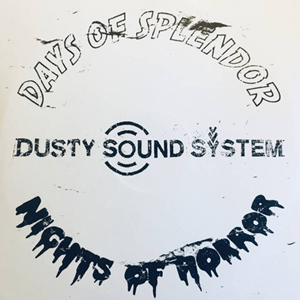
In an exclusive, in-depth interview with Say It With Garage Flowers, singer-songwriter Robin Bennett (The Dreaming Spires and Bennett Wilson Poole)  reflects on lockdown, looks back at the making of his 2005 solo mini-album Days of Splendor, Nights of Horror, which has just been made available online for the first time, and updates us on the eagerly-awaited second album from Bennett Wilson Poole.

One of the few positives to emerge from the Covid-19 crisis is that lockdown has given musicians more time to dig around in their vaults and release rare or unheard material online for their fans to enjoy while stuck indoors.

Oxford-based singer-songwriter Robin Bennett, who is one third of Americana and jangle-pop supergroup Bennett Wilson Poole and, with his brother Joe, is one of the main members of The Dreaming Spires, has made his hard to find 2005 solo mini-album, the eight-track Days of Splendor, Nights of Horror, available to stream or download from Bandcamp.

Released under the pseudonym Dusty Sound System, it was written and recorded over a week in Los Angeles, California, in January 2005, at the time of the Iraq War. The songs, which were laid down in a day, were composed with his friend Danny Black – aka Danny Power (The And/Ors).

Robin and Danny spent most mornings watching the Bob Dylan film Don’t Look Back before getting down to songwriting and it shows – album opener, the riotous, bluesy, rock ‘n’ roll  of The One And Only Lost Boy, sounds like a homage to mid-’60s electric Dylan, while Nation At War and I’m A Soldier are both folky protest songs.

Nothing I Can’t Do Without  is a lovely, fragile acoustic ballad, You Can’t Fool All The People (All The Time) is anthemic country rock, the sombre, piano-led ballad As I Lay Dying has a Lennon feel, and Don’t Sleep Alone is yet more raw, Dylanesque rock ‘n’roll.

The album was recorded in a studio owned by Rob Campanella ( Brian Jonestown Massacre) and features a cast of friends and local musicians, including Bobby Bones, Darren Rademaker (The Tyde) and Jason Anchondo (The Warlocks).

Mixed back in England with Rowland Prytherch, after the addition of harmony vocals by Piney Gir and Cat Martino, the album was mastered by Tim Turan in Oxford and originally released in 2005 on Truck Records.

Ironically, considering its title, Days of Splendor, Nights of Horror sometimes sounds like it’s gone for a great night out on the town – one of the songs is called It Takes No Talent To Party – but, more often that not, it’s waking up the morning after, bleary-eyed and melancholic.

“There certainly were a lot of parties, but I always found I could get by with very little sleep when in California –  it must have been the sunshine,” says Robin.

Q&A

How are you and how have you been coping with lockdown?

Robin Bennett: I live in a somewhat isolated spot anyway, so, in some ways, not a lot has changed, although my children are at home. Thankfully the weather has mostly been good and we are lucky enough to have a garden. A lot of the meetings I have to attend due to my council work (Robin is a cabinet member for development and regeneration at South Oxfordshire District Council) have moved online, so I’m pretty busy. I’ve also got a small home recording set-up to keep my musical side occupied.

What’s been your lockdown soundtrack?

RB: I’ve definitely been drawn to listening to music, old and new. I bought a new record player from Danny Wilson’s [Bennett Wilson Poole, Danny and the Champions of the World] shop, Union Music Store, to help me make the most of my vinyl collection.

I’ve also joined in with a few of Tim Burgess’ Twitter listening parties – diverse selections from The Chemical Brothers to The Flaming Lips, which was stuff from when I was first getting into music and going out. My old band Goldrush supported The Flaming Lips in 2002 and went on to record with Dave Fridmann.

The other night I went back to some classics on vinyl that I haven’t listened to in a while, due to over-familiarity – like Neil Young’s After the Goldrush. I like the way the internet allows shared listening. I joined in with the Clubhouse Records crew, who were listening to The Band’s Stagefright last weekend. Opinion was divided on whether it’s a lost classic.

‘The lockdown seems to favour nostalgia. There has been space for things like the 17-minute Bob Dylan single, and also for plenty of looking back over one’s musical past’

We’ve also got a crappy Dansette in the shed, where we’ve been dancing to 7-inch singles with the kids, mostly The Beatles or stuff from the Britpop era, when I was buying 7-inches.

Although it’s a pain for artists – including Bennett Wilson Poole – that the release cycle has been disrupted, it’s created an interesting pause in the normal torrent of attention-grabbing. There has been space for things like the 17-minute Bob Dylan single, and also for plenty of looking back over one’s musical past. The lockdown seems to favour nostalgia.

Have you written any new songs during lockdown?

RB: Not really. I have demoed a whole pile of songs from my notebook though – some of them are going back years. I’m trying to avoid writing songs about the lockdown.

During lockdown, you’ve decided to make your 2005 Dusty Sound System mini-album, Days of Splendor, Nights of Horror available on Bandcamp. What was the thinking behind that?

RB: It was partly because of just having the time and space to do it. Although it was originally released in a pretty minimal way, it has a bit of a reputation in some circles, and I wanted people to be able to hear it – those who didn’t have one of the few original CD copies.

The album is 15 years old. How you do feel about it now? How old were you when you made it and what music were you into at the time?

RB: Um… I was 26! One thing I remember from the time is that Bright Eyes was just releasing his two albums on the same day, I’m Wide Awake, It’s Morning and Digital Ash in a Digital Urn. I was very impressed by that – the US press were calling him ‘the new Bob Dylan’ at the time.

Since first going to the US in 2003, to record and tour with Mark Gardener of Ride, my Goldrush bandmates and I had been introduced to a whole swathe of US independent acts, from Death Cab For Cutie to The Brian Jonestown Massacre, and I met, or played with, many of them.

I was impressed how the scale of the US allowed these bands to have a viable career without signing to a major label, which was more or less impossible in the UK at the time.

There were also records that were more abundant in American record stores, like Songs for Beginners by Graham Nash, that I’d not really come across before. Big Star and Gram Parsons loomed large too. I also got into The Jayhawks around then –I’m not sure how I’d avoided them previously. We also listened to a lot of old Bob Dylan – especially The Bootleg Series Volume 2.

What’s the story behind the album? How did it come about? You went to L.A. and  you wrote the record in a week, with your friend Danny Black – aka Danny Power – and you recorded in it a day. That must have been a hell of a week!

RB: I’d always largely been the lyric writer in Goldrush – in the early days, songs used to come together in a somewhat miraculous way, without a lot of forethought, but, of course, that method can dry up. When we went to record with Dave Fridmann in 2003, I was still finishing lyrics in the studio, which stressed me out no end. I knew there had to be a more structured way of writing.

I worked with Mark Gardener on some of the songs for his solo album, and found that I could be useful as a co-writer. Then, with Danny, we found such a close rapport that extending into co-writing happened almost by default.

‘L.A. was a whole different world and very inspiring. Danny and I had a daily routine of watching Don’t Look Back, listening to records, buying doughnuts and coffee, and then trying to write’

Goldrush had US visas, so we took the opportunity to spend as much time there as we could, staying in Brooklyn, or at Danny’s house in L.A., even when not touring. I applied for a PRS grant, which gave me the chance to go over and do some writing with Danny in January 2005. He lived just off Sunset Boulevard, between Echo Park and Silverlake, in a shared house, with a few bohemian friends who were always welcoming.

It was a whole different world and very inspiring for me. Danny and I had a daily routine of watching bits of Don’t Look Back, listening to records, buying some doughnuts and coffee – vital – and then trying to write. I also had an obsession with Gatorade – the US version. I still do.

On previous visits we’d become good friends with Rob Campanella of The Brian Jonestown Massacre, who had an excellent studio in his house. We’d written enough songs for an album, so we thought we should get them down for posterity and we invited some of the aforementioned people along for a day in the studio, setting up live and rattling through the whole lot in one day, pausing only for sandwiches from the deli and the odd beer. It was all so much fun and we knew that we had something.

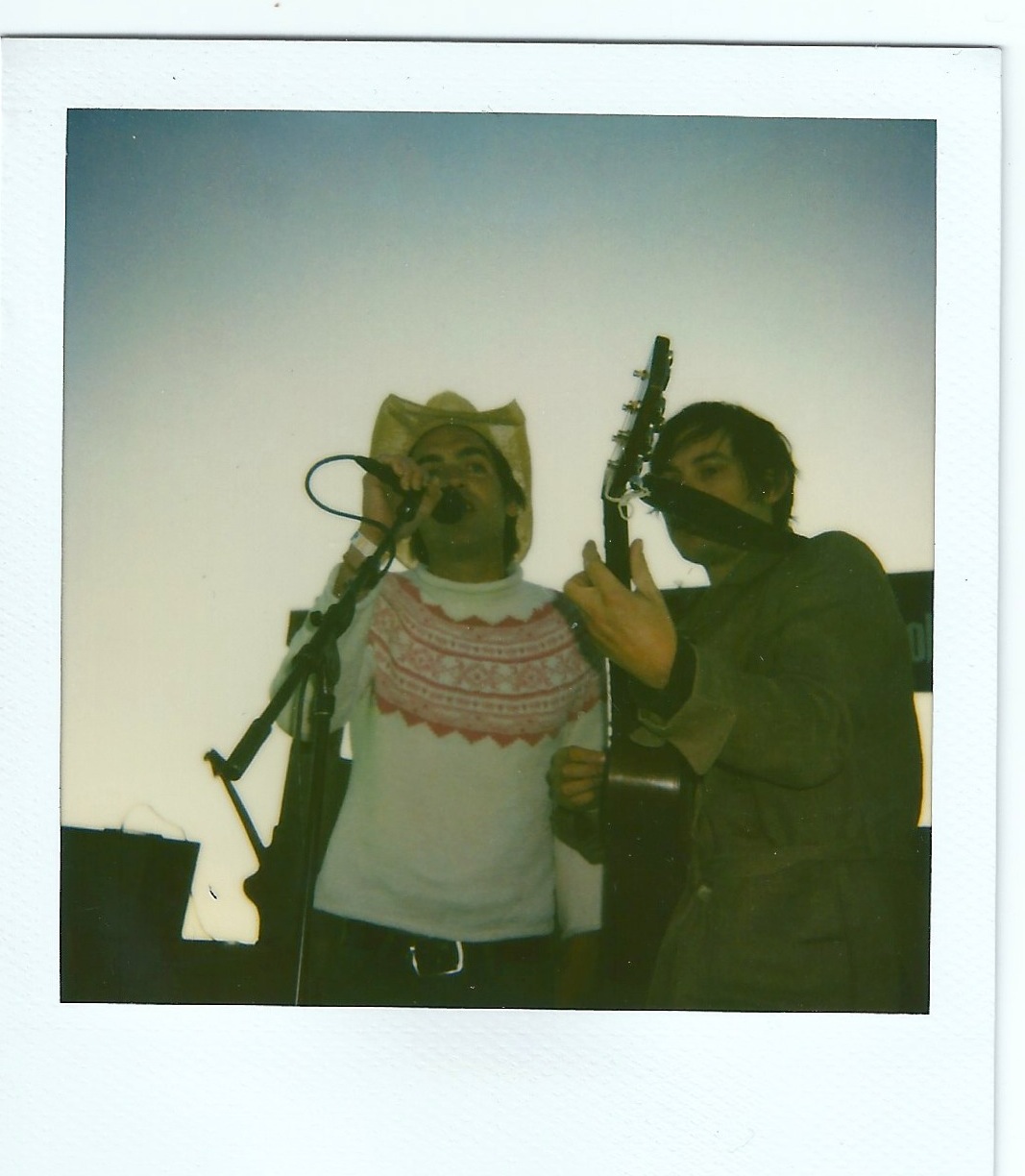
Danny Power and Robin performing together at Pappy & Harriet’s, near Joshua Tree National Park, California. in 2008

Danny Power has been a big influence on you musically, hasn’t he? He’s inspired several Dreaming Spires songs and he got you into Big Star. How did you meet him?

RB: Danny Power was initially our West Coast tour manager, but he was – is – a musician too and we wound up becoming close friends. Mark Gardener had discovered Danny after his band, The And/Ors, opened for Mark’s solo tour, so when we came over as Mark’s backing band, he asked Danny to supply a van and equipment, which he did – rickety vintage gear you’d rarely see in the UK.

Danny worked printing art posters for the famous artist, Shepard Fairey, in a large warehouse in downtown L.A., so that’s where we rehearsed. It was an amazing scene to be part of. It was next to the American Apparel factory, in an eerie industrial district patrolled by homeless people pushing shopping trolleys, and there were also furtive porn movie shoots in warehouses – or so we heard. The Dreaming Spires song Singing Sin City describes meeting Danny and his van, which was named Darla.

You said that you were watching Don’t Look Back most mornings in L.A. The first song on Days of Splendor, Nights of Horror is The One And Only Lost Boy, which is a mid-’60s electric Dylan homage, isn’t it?

RB: Yes, certainly – though one of my earliest influences, like Dylan, was Chuck Berry, and it has a bit of that about it too.

The song is about your experiences as a Brit in L.A. What did you make of it?

RB: My experiences of L.A. were completely overwhelming – I’d been there once, aged 18, but not really found any of its secrets, but going there again in 2003, even after the thrill of touring the East Coast, was something else. It seemed like another planet and we were lucky enough to be introduced to some amazing places and people. We were probably as exotic to the Californians as they were to us.

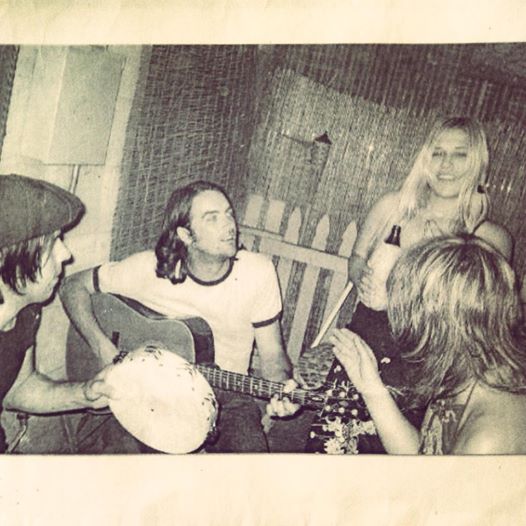
Jason Anchondo, Danny Power and friends at a party

I can’t remember writing The One And Only Lost Boy, but all the people mentioned in it are real people we used to hang out with. Bobby (Bones), Jason ‘Plucky’ Anchondo and Dave ‘The Kid’ Koenig all play on the record so it’s very self-referential. Caroline and Abigail lived in Danny’s house. I really did get called Lindsay after [film director] Lindsay Anderson on account of my British accent, and on that writing trip it rained for several days, which was a real novelty in L.A. It caused many plants to bloom and gave me severe hay fever, enough to somewhat affect the sound of my voice on the record.

Nothing I Can’t Do Without is a lovely song. It sounds like a more stripped-down version of what you went on to do with The Dreaming Spires, but minus the jangly guitars. What can you tell me about it?

Nothing I Can’t Do Without was written on Danny’s porch, throwing phrases back and forth in a rapid fashion. The house was in sight of Sunset Boulevard, which, of course, is named after the amazing California sunsets, which are made more spectacular by a layer of smog.

I was definitely moving away from writing verse-chorus type songs, and getting more narrative in style. I was probably listening to Another Side…era Dylan, which seeped into the guitar style. It does sound a bit like the cover of Girl From The North Country that The Dreaming Spires started our career with. I basically used the same chords under the Dylan lyrics for that, as I didn’t know the correct chords.

As I Lay Dying is one of the darker songs on the album. What can you tell me about it? The piano sounds quite Lennonesque, and it’s a sad song…

RB: As I Lay Dying was written after a trip, so to speak, to Joshua Tree National Park, on one of our regular pilgrimages to the desert. It provided a very different perspective on life and the song was written down pretty much directly as we experienced it.

Robin at the piano, recording the album

‘When we mixed the album back in England, we used plenty of WEM Copicat tape echo, which contributed to the Lennon-y vibe’

The title was from the William Faulkner novel. I was into trying to describe out-of-body or near-death experiences at the time, as also on the Goldrush album, The Heart Is The Place. The song There’s A World by Goldrush, on the Ozona album, is also based on being at Joshua Tree. It became one of our favourite places to go when in the US. We played at the famous Pappy & Harriet’s and stayed on Victoria Williams’ ranch and at number of other interesting spots. I seem to recall when Rowland Prytherch and I mixed the album back in England, we used plenty of WEM Copicat tape echo, which contributed to the Lennon-y vibe.

Where did the song It Takes No Talent To Party come from? Great title! I can imagine there was a lot of partying during your week in L.A… 

RB: The title was a saying from Dave Koenig, who, at the time, was the bass player in The Brian Jonestown Massacre, or he may have just left the band. He was kind enough to play bass on the album. He was a very funny guy and a master storyteller –  it was his phrase to describe some of the characters who populated the L.A. scene, which was to some extent surface over content. There certainly were a lot of parties, but I always found I could get by with very little sleep when in California –  it must have been the sunshine.

The record is one of highs and lows – there are musically upbeat songs, like The One And Only Lost Boy and Don’t Sleep Alone, but it’s often a melancholy, reflective record, isn’t it? What kind of frame of mind were you in when you made it? 

RB. My default song setting was melancholy, at least up to that point, so I’m glad I was able to produce some upbeat songs. It was a relatively carefree time if you could ignore all the wars and so on…

Let’s talk about that. The Iraq War was happening at the time you were making the album and it inspired some of the songs, like I’m A Soldier and Nation At War, which are folky protest songs. What was your take on the war at the time and what was it like being in the US while it was happening? 

RB: The TV was still filled with images of the post-9/11 Middle Eastern wars and Dubya was still President. The heavy post-9/11 security measures were very much in place and paranoia was in the air. We must have watched plenty of TV because the news filtered through into the songs. I remember sitting in a café and writing out the lyrics to Nation At War in a matter of minutes. I’m A Soldier covers the plight of returning veterans and is simple, but it holds up well, I think.

You Can’t Fool All The People (All The Time) is one of my favourite songs on the record. It has a country rock feel…

RB: Country rock loomed large in our lives, having recently got deep into Sweetheart of the Rodeo [The Byrds] and The Flying Burrito Brothers, etc. We loved going to thrift stores and Mexican markets to pick up quirky shirts –  they were hard to get hold of back then. It fascinated me to be in the same spot, making records as those individuals, as indeed it did no doubt for excellent local bands like Beachwood Sparks and The Tyde.

Darren from The Tyde and Bobby Bones play excellent guitar lines on the track, which makes the song. Rob Campanella’s brother Andy stepped in on drums, and his more languid style suited the song, with its unpredictable timings. As I recall, I played piano and sang live vocals on almost every song, apart from the acoustic picking numbers.

There are quite a few guests on the album…

RB: Jason ‘Plucky’ Anchondo was one of two drummers in The Warlocks, who were staples of the shoegazey revival scene, alongside The Brian Jonestown Massacre – we encountered numerous members of both bands. We’d met on our first trip when The Warlocks and Mark Gardener/Goldrush played in New York and we all jammed a version of Tomorrow Never Knows. I’d like to hear a recording of that!

Bobby Bones was a mysterious but delightful character, who looked like he could easily have been in The Rolling Stones. Darren Rademaker from The Tyde joined us too and contributed some wonderful guitar lines.

Back in England, I felt some female vocals would improve things – I was perhaps enjoying Emmylou Harris’ contributions to the Bright Eyes album –  and asked Piney Gir, who was a friend, and part of our Truck Records roster, to come and sing on a few tracks. Furthermore, Cat Martino, another US singer from Brooklyn, who became a great friend, sang on Nation At War, which was actually recorded in England that summer, when she visited.

What happened to the album at the time? Did it have a proper release and did you tour to support it?

RB: It didn’t have a major release – it came out on the label Truck Records, which I ran with friends. Most of the effort in 2005 went on tours to support the US and European releases of Goldrush’s Ozona album. I did play some really fun shows, however, and put together a great UK band including Loz Colbert from Ride on drums, Andrew Mitchell from Ralfe Band, Garo and Nick (Growler) from Goldrush and Rowland Prytherch on bass. We often joined by Piney as well, and sometimes later on by Danny Wilson – we’d just started becoming friends. There were plenty of others who jumped in on occasion –  almost too many to list!

The songs were simple enough to show people in a few minutes and usually it came off well. We played at The Social and The Borderline [in London], at a festival in Devon with Mojave 3, and quite a few other places. There were also a couple of gigs in L.A. with some of the original band, or perhaps just one – it’s shown in the video for The One And Only Lost Boy.

The album was credited to Dusty Sound System, rather than Robin Bennett. Where did the pseudonym come from?

RB: ‘Dusty’ was a nickname given to me be a friend from the village where I grew up – it was short for Dusty Bookworm, on account of how I liked to read and my dad was a bookseller.

By the time of the album, quite a lot of people called me Dusty, so it seemed a suitable pseudonym. I guess I wasn’t quite ready to perform under my given name. I really can’t remember how Sound System got added – it meant that there didn’t have to be a fixed band, or it could just be me. The pseudonym gave me freedom to have fun.

Bennett Wilson Poole – photo by John Morgan

Let’s leave 2005 behind and fast forward to 2020, to talk about Bennett Wilson Poole.

Last year, you had to postpone your headlining London show, at the Islington Assembly Hall, as Tony Poole was unwell, and, this year, you were due to appear at the Ramblin’ Roots festival, which had to be postponed due to Covid-19. Are you hoping to gig later this year – all being well – and how’s Tony doing?

RB: Tony seems well currently, which is great. I’ve spoken to him a few times during lockdown. The first thing we did when we heard about the virus, even pre-lockdown, was cancel a Bennett Wilson Poole rehearsal – we need to look after Tony, in particular.

‘The second Bennett Wilson Poole album is written, recorded and mastered – we’re just waiting to work out how to release it in the present circumstances. We can’t wait for everyone to hear it’

I’m not very optimistic about indoor concerts taking place anywhere during 2020, so we may have to wait a little longer.

What’s the current state of play with Bennett Wilson Poole? Is your eagerly-awaited second album written and recorded?

RB: It’s written, recorded and mastered – we’re just waiting to work out how to release it in the present circumstances. We can’t wait for everyone to hear it.

One of the great things about Bennett Wilson Poole for me is the songwriting partnership Danny Wilson and I have developed. After it became impossible to write with Danny Power, I didn’t know if I’d find the same thing again, but we have struck up a similar ability to write songs and write them quickly. We both love the excitement of songwriting.

The Dreaming Spires: Robin and Joe Bennett

At this year’s Ramblin’ Roots, The Dreaming Spires were also due to play. Do you think there will be another Dreaming Spires record in the future?

RB: It’s hard to say. We are all still good friends and enjoying getting together to play now and then. We’re very proud of the albums we did. The songs all fit together as a set, so, if there was a new album, it would have to have some different subject matter.

As a professional musician and also a festival promoter what are you most worried about because of the Covid-19 crisis? Are you optimistic about the future? Will things get back to normal? What’s your take on it? What will have to happen in the ‘new normal?’

RB: I suppose, like most people, I am worried about my health and that of those close to me – and it’s clearly going to have a heavy impact on the live music business – indeed it already is. Looking for a positive, I think that connection and culture have grown in importance for us all as we’re stuck in our homes, and I have realised how precious those things are. That gives me confidence that we will find a way to rebuild the music scene. It’s hard to say exactly what that will look like, as we are still learning about how the virus operates.

‘Connection and culture have grown in importance as we’re stuck in our homes. I have realised how precious those things are. That gives me confidence that we will find a way to rebuild the music scene’

Clearly, some of the remote working and live streaming events will continue in the future, and we will be wary of cramped gatherings for a while. I’ve always been drawn to locally-oriented events, and perhaps there will be more of those as people resist long-distance travel. Also it’s opportunity to make sure all that back catalogue stuff is out there and available.

What are you most looking forward to doing once lockdown is lifted?

RB: Going to play, or watching a band in a cramped pub, preferably The Betsey Trotwood. I might have to wait quite a while for that to happen, so in the meantime a socially-distanced cup of coffee in a café will do.

Days of Splendor, Nights of Horror by Dusty Sound System is available to stream or purchase at:  https://dustysoundsystem.bandcamp.com/

For more on Bennett Wilson Poole, visit: https://www.bennettwilsonpoole.com/